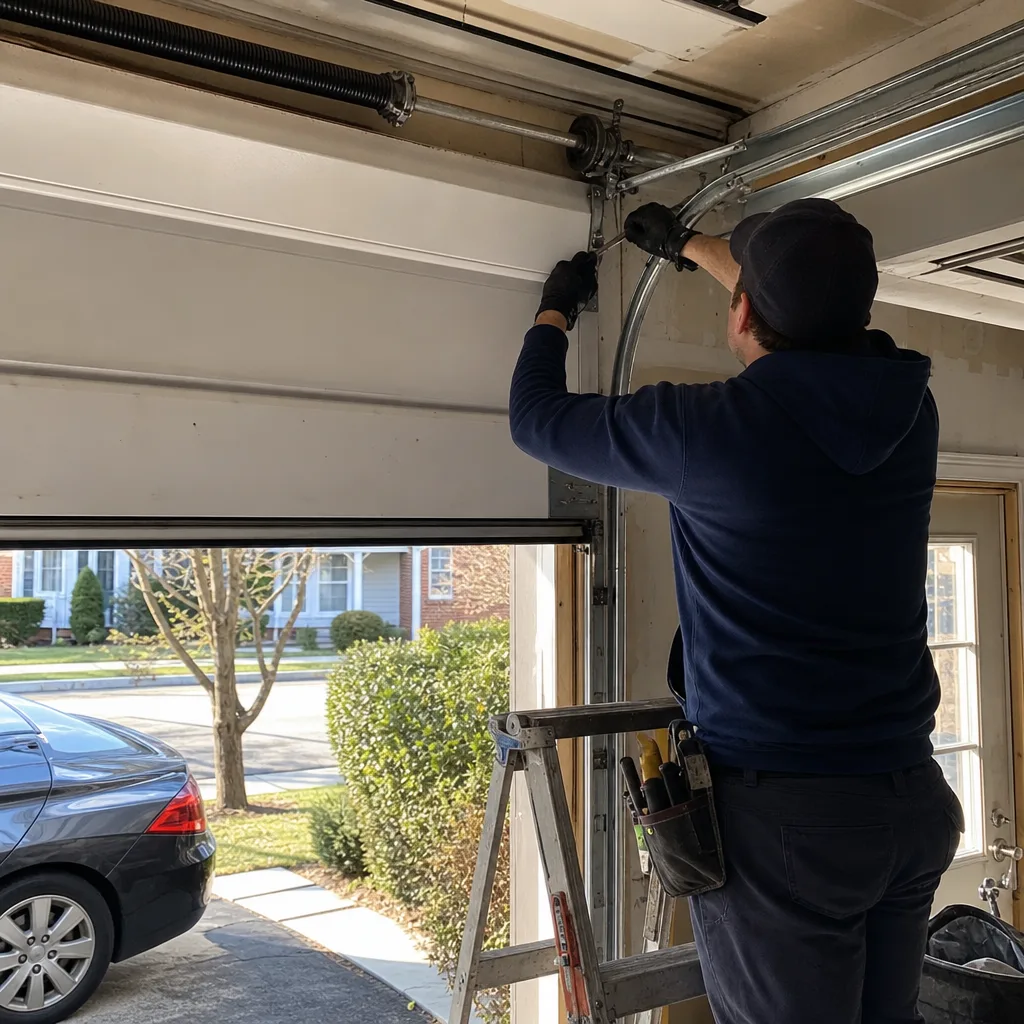
Last updated November 20, 2026
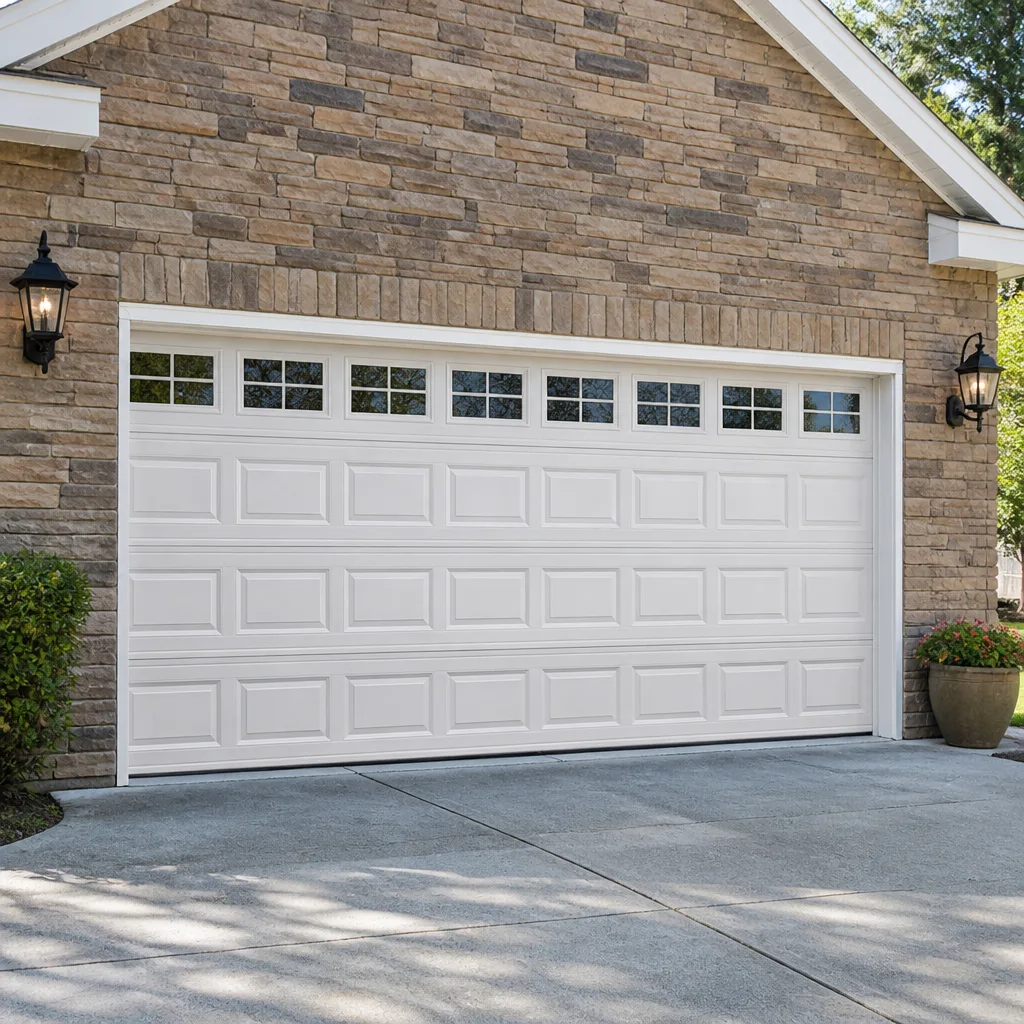 Raised-panel steel
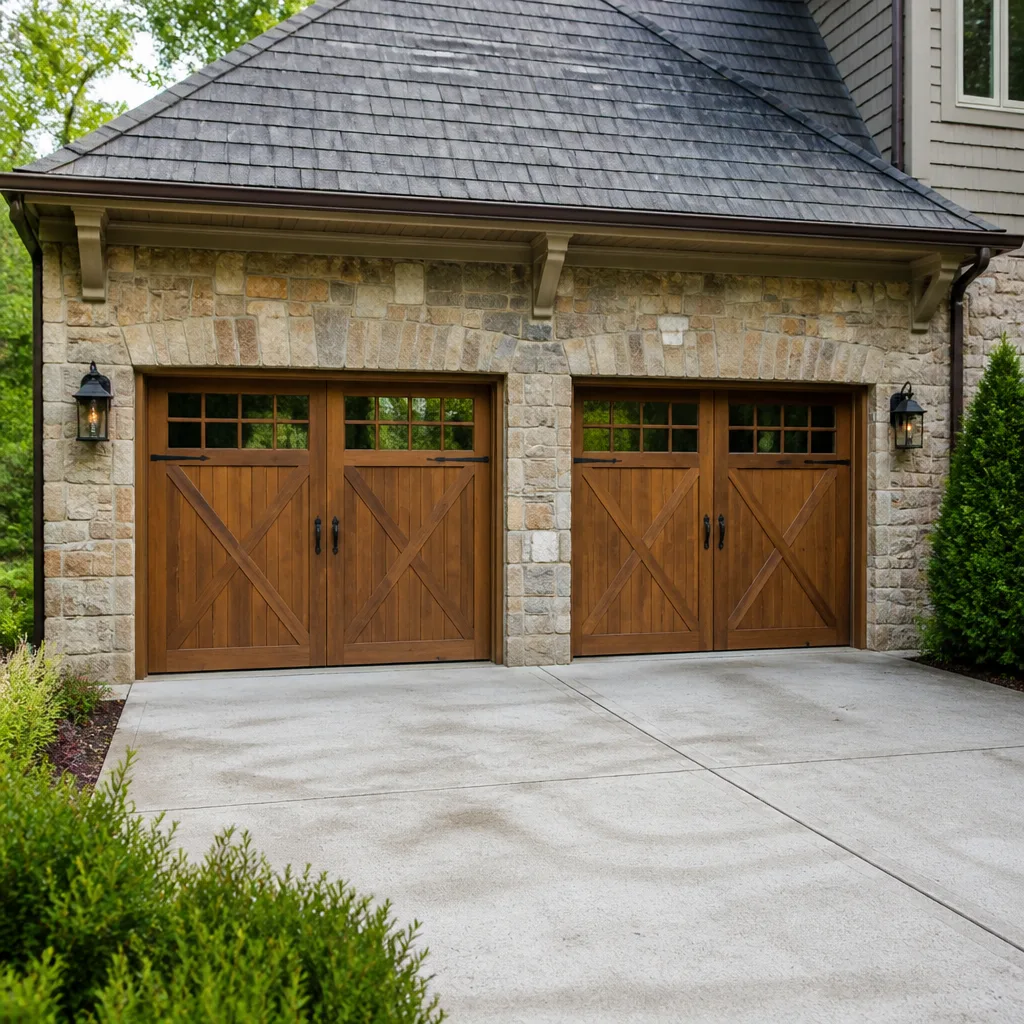 Carriage house
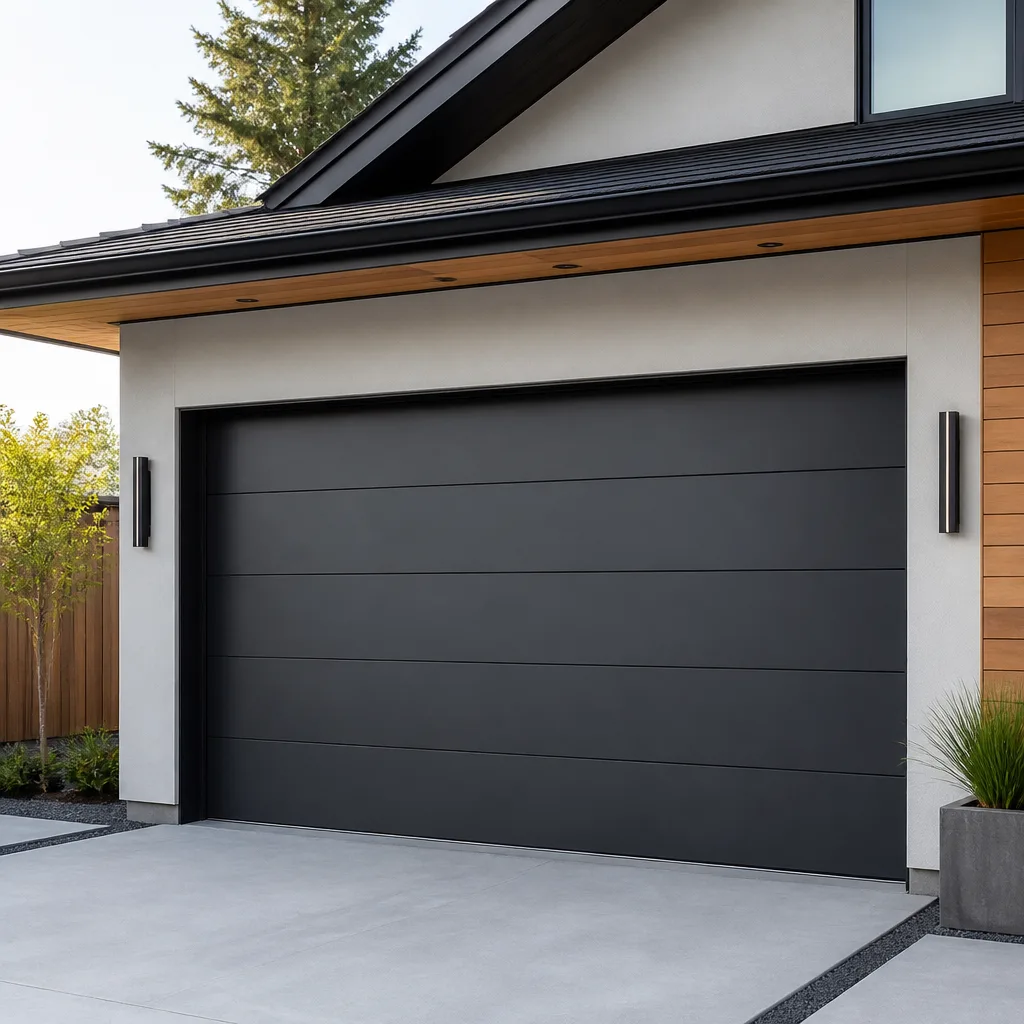 Modern flush
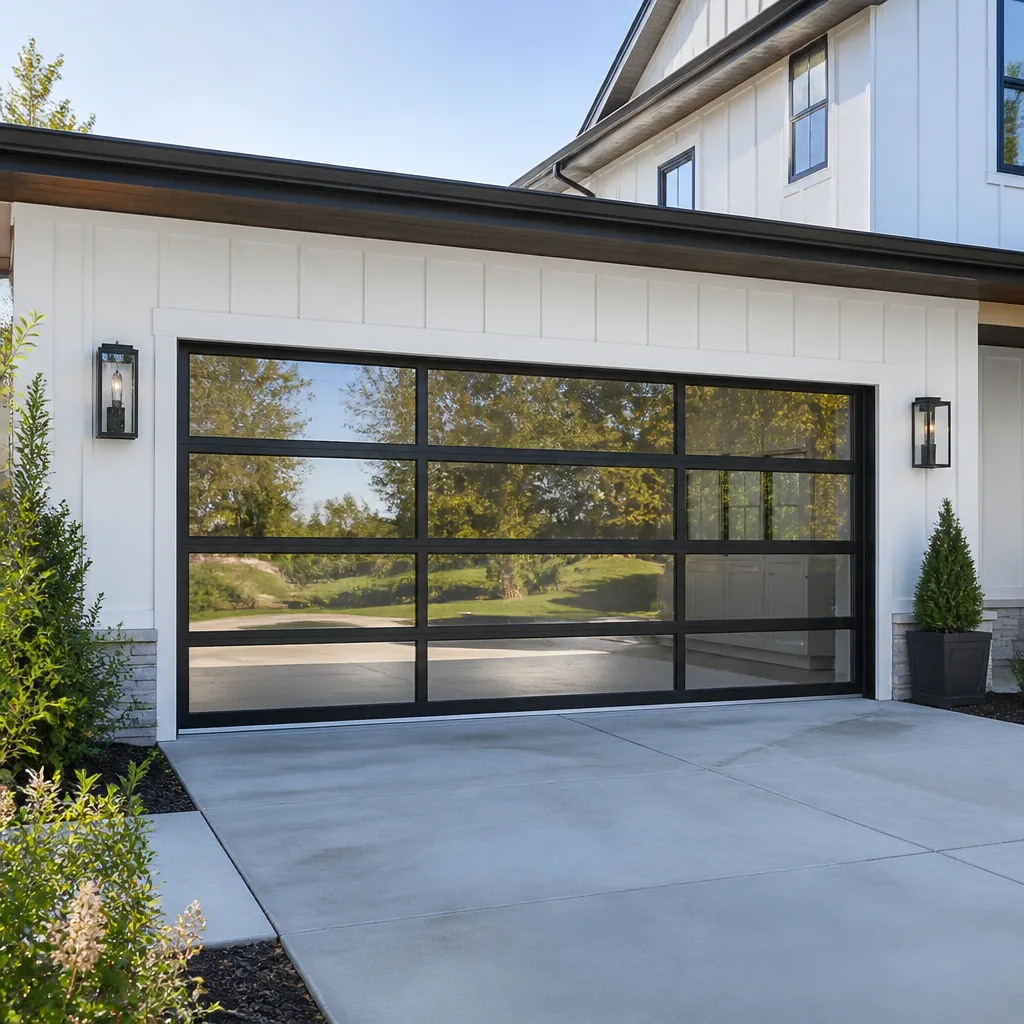 Full-view glass
 LiftMaster openers
 Chamberlain openers
Full 25-point door and opener safety check with every visit - springs, cables, rollers, tracks, and your LiftMaster or Chamberlain opener included
You get a price before we start. It does not change when the pro arrives.
Get your free estimateSeasonal Garage Door Care for Upper West Side: Year-Round Homeowner’s Guide
Most homeowners on the Upper West Side assume January is the cruelest month for a garage door. It isn’t. March is. By the time a long cold stretch breaks, the repeated freeze-thaw cycle has been flexing and contracting the same torsion spring dozens of times, and that’s when a spring that looked perfectly healthy all winter finally gives way. In our experience, the phone starts ringing harder in early spring than it does during the deepest cold snap. This guide walks through what each season actually does to your door and opener in Upper West Side, from Hudson River humidity in summer to the road salt that creeps into below-grade garages all winter. You’ll learn how to inspect for trouble before it becomes a failure, and when to bring in a specialist.
Quick Answer
Seasonal garage door care in Upper West Side comes down to four checkpoints: inspect torsion springs for micro-fractures as freeze-thaw cycles peak in March and November, protect metal hardware and weatherstripping from Hudson River summer humidity, seal the floor and replace weatherstrip before the first freeze, and test your opener’s battery backup and cold-weather performance before temperatures drop below 20°F. A door that gets checked at each of these transition points lasts noticeably longer than one that only gets attention when something breaks.
Styles & brands we work with
- Raised-panel steel
- Carriage house
- Modern flush
- Full-view glass
- LiftMaster openers
- Chamberlain openers
Table of Contents
- Why Late-Winter Freeze-Thaw Cycles Are Harder on Torsion Springs Than Sustained Cold
- How to Inspect for Micro-Fractures Before They Become Failures
- Summer Humidity off the Hudson: Which Components Absorb Moisture
- Fall Prep for Below-Grade Urban Garages: Seals, Weatherstrip, and Salt Intrusion
- How NYC’s Road Salt Affects the Bottom Section and Hardware
- The Pre-Winter Opener Check Most Homeowners Skip
- A Year-Round Maintenance Calendar for Upper West Side Doors
Why Late-Winter Freeze-Thaw Cycles Are Harder on Torsion Springs Than Sustained Cold
A torsion spring doesn’t fail because it got cold once. It fails because it got cold, warmed up, got cold again, and repeated that cycle more times than its metal can absorb. Here’s the mechanics behind it: steel contracts in the cold and expands as it warms. Every time the temperature crosses the freezing mark, the spring’s coil geometry shifts by a fraction. Do that dozens of times over a winter and tiny stress points develop along the wire. Sustained cold, by contrast, keeps the metal in one contracted state and doesn’t work it back and forth.
In Upper West Side, the freeze-thaw pattern is especially aggressive in two windows: late February into March, and again in November when the first hard cold arrives after a mild autumn. The neighborhood’s building stock sits close to the Hudson, and that proximity to a large body of water moderates temperatures just enough to push the daily high above freezing far more often than in inland parts of the city. More crossings of the freezing line means more cycling on the spring.
What you’ll notice first, if you’re paying attention:
- A faint creak or groan that wasn’t there last season, usually at the start or end of a door cycle.
- The door feeling slightly heavier when you lift it manually (on a door with a manual disconnect).
- A subtle imbalance, where the door seems to hang or drift on one side.
- A gap appearing in the coil pattern when you look up at the spring from below.
None of these guarantee a failure is coming, but together they’re the earliest signal you’ll get. Spring failure is a safety issue. We treat it that way, which means we don’t walk anyone through handling the spring themselves. A torsion spring is under enough stored energy to cause serious injury even when the door is closed, and we want you nowhere near it. What you can do is look, listen, and book an inspection before spring breaks entirely. If it’s already broken, garage door spring repair is a job for someone trained on it, and it’s one of the most common calls we get once March arrives.
How to Inspect for Micro-Fractures Before They Become Failures
A visual inspection is safe if you keep your distance and never touch the spring or its winding hardware. The goal is to spot the warning signs from the floor, then let a trained technician confirm. Here’s how to run a thorough check from a safe distance:
- Look at the spring coils from several feet away, with a flashlight. A healthy spring has an even, continuous coil. A gap, a slight bow, or a section that looks stretched compared to its neighbors is a reason to stop and call.
- Watch and listen through a full open-and-close cycle. Stand clear of the door’s path. Any new noise, hesitation, or jerky motion is information.
- Check the lift cables for fraying or slack. Cables and springs work as a system; a problem in one often shows in the other.
- Look at the spring’s mounting plate and winding cone for signs of movement. Fresh metal wear or a shifted plate suggests the spring has been under unusual stress.
- Note the color band painted on the spring. That color identifies the spring’s size and tension rating, and the technician will need it to match a replacement correctly.
What you should not do: spray lubricant on a torsion spring hoping to quiet a noise, try to test the spring’s tension by hand, or use a winding bar on your own. Lubricant on a failing spring masks the symptom without fixing the cause, and winding is where the real danger lives. Our technicians have up to 12 years of experience with this exact job, and even they work carefully with the right tools on every call.
One more thing worth understanding about Upper West Side: doors here are often older installs, and a spring that’s been in place through many winters has already absorbed a lot of cycling. If your door is one of the older Raynor or Clopay models common in pre-war buildings, an annual spring check isn’t overkill. It’s basic upkeep for equipment that’s already near the end of its fatigue curve.
Summer Humidity off the Hudson: Which Components Absorb Moisture
Winter gets the attention, but summer humidity off the Hudson does quiet, steady damage to a garage door. The problem is moisture absorption. Wooden door panels, if you have them, take on water and swell. Steel doors don’t absorb water directly, but condensation forms on cold metal surfaces when warm humid air meets them, and that’s where rust starts. The bottom section and the hinges are the usual first casualties.
Which components are most moisture-sensitive in an Upper West Side garage:
- Wood or wood-composite panels. They swell at the seams and can warp out of plane, which throws off the door’s balance.
- Steel hinges and rollers. Condensation collects in the hinge knuckles and roller stems, and rust there causes binding and squealing.
- Weatherstripping. Rubber and vinyl weatherstrip hardens and cracks faster in humid conditions, then stops sealing properly.
- Opener drive components. Humidity doesn’t usually reach a ceiling-mounted opener directly, but in damp garages the tracks and chain can develop surface rust that adds friction to every cycle.
Protective steps that actually help: wipe down and lightly lubricate hinges, rollers, and the track with a proper garage door lubricant (not WD-40, which is a solvent, not a lubricant); check weatherstripping at the bottom and sides for hardening; and on steel doors, inspect the paint at the bottom edge. A small chip there lets moisture in and rust out, and repainting that spot in early summer prevents a much bigger problem by fall.
If you want a professional eye on the whole system, garage door repair technicians see this pattern every summer and can tell you in minutes whether your door needs more than routine care. Brand-specific diagnostics matter here, too: garage door opener repair on a LiftMaster or Chamberlain unit involves different parts and procedures than on a Craftsman or Genie drive, and knowing the difference is what keeps a small fix from becoming a replacement.
Fall Prep for Below-Grade Urban Garages: Seals, Weatherstrip, and Salt Intrusion
Most Upper West Side garages aren’t the attached, drive-up kind you’d find in the suburbs. They sit below grade, accessed by a ramp or alley, and that changes what fall maintenance needs to look like. Water and salt don’t just fall on the door; they drain toward it. Fall is your window to get ahead of that before the first hard freeze locks everything into place.
Run through these steps before the first freeze:
- Inspect the floor seal and the bottom weatherstrip. Look for gaps, crushed sections, or a seal that’s pulled away from the door. That’s the first line of defense against water and salt reaching the hardware.
- Check the perimeter weatherstripping on the jambs and header. Press it with your thumb. If it doesn’t spring back, it’s hardened and won’t seal against winter wind and snow.
- Clear the ramp or alley approach of debris. Leaf litter and grit that collect against the door hold moisture against the bottom section through the winter.
- Look at the paint or finish on the bottom panel. Any bare metal or chipped paint at the bottom six inches will be the first place salt and water attack.
- Test the door’s balance and auto-reverse. A door that’s harder to move in the fall will be harder still in the cold. The safety reverse should stop and reverse the door when it meets an obstruction, and it’s worth confirming this is working before winter.
On salt intrusion specifically, the goal is to keep chloride-laden water from sitting against the door and hardware. If your garage floor slopes toward the door rather than away from it, water pools at the threshold, and the bottom section sits in a shallow brine bath all winter. A technician can check the seal and the bottom section condition and tell you if a new bottom weatherstrip or a threshold seal is worth adding before the season turns. This is one of the quieter seasonal jobs we handle for Upper West Side property managers, and it pays off by heading off rust and swelling that would otherwise show up in spring.
How NYC’s Road Salt Affects the Bottom Section and Hardware
Road salt is applied to city streets and sidewalks throughout the winter, and on the Upper West Side that salt has a short path from the street to your garage. Cars pull in with salt-crusted tires and undercarriages, and the meltwater drains onto the garage floor and against the door’s bottom section. Alley-adjacent and street-level garages get the worst of it, because the salt-laden runoff comes straight in.
What salt actually does to a garage door:
- Attacks the bottom section first. Salt water is heavier than fresh water and settles at the lowest point, which is exactly where the door’s bottom panel and seal sit.
- Accelerates corrosion on hinges, rollers, and fasteners. These are the small steel parts most exposed to splash and runoff, and they’re also the ones that need to move freely for the door to work.
- Degrades weatherstripping. Salt-laden water dries into abrasive crystals that work into the rubber and speed up cracking.
- Stains and pits the finish. Painted steel and aluminum door surfaces can pit where saltwater sits against them, and once the finish breaks, rust gets a foothold.
The practical response is regular rinsing and drying of the bottom section and hardware through the winter, plus a protective coating on the bottom panel before the first salt application. If you park inside regularly, a quick rinse-down of the door’s lower edge after a snowy drive isn’t excessive; it’s maintenance matched to the local conditions. When you’re ready to think about the whole system, a free estimate from Garage Door Repair Upper West Side can tell you whether your bottom section, seal, and hardware are holding up or need attention. Call (866) 937-7438 to set one up.
The Pre-Winter Opener Check Most Homeowners Skip
Almost everyone checks their door’s springs and tracks in the fall. Almost no one checks the two opener functions that matter most in cold weather: battery backup and how the drive unit performs below 20°F. Both are worth testing before the temperatures drop, not after.
Battery backup matters because the failure mode that strands you is the one where the power goes out in a storm and your car is inside a door you can’t open. Test it by disconnecting the opener from household power and running the door on backup. If it doesn’t move the door smoothly, the battery needs attention. A LiftMaster or Chamberlain unit with backup will behave differently than a Genie or Craftsman opener that may not have backup at all, so check what your unit is rated for before testing.
Cold-weather performance is the second check. Garage door openers use grease and lubricant that thicken as temperatures drop, and a marginal motor that works fine at 50°F can struggle at 15°F. That struggle shows up as a slow or incomplete opening. What to check before winter:
- Run the door through three full cycles on a cold morning and watch for hesitation or slowdown.
- Confirm the opener’s force setting isn’t maxed out, which masks a developing drive problem.
- Check that the safety sensors are aligned and functioning, since a sensor that’s marginal in summer can fail entirely in cold.
- Listen for a strained motor sound, which suggests the drive is working harder than it should.
If the opener is weak, the fix is often a belt, gear, or capacitor replacement rather than a whole new unit. That’s the kind of brand-specific judgment that saves money, and it’s why we emphasize working on the brand already in your garage rather than pushing replacements unnecessarily. When you’re ready to look at a full replacement instead, garage door installation is a measured, scheduled project with a written quote and a free measure, not a same-day call.
A Year-Round Maintenance Calendar for Upper West Side Doors
Here’s what a sensible Upper West Side garage door care calendar looks like, broken down by season. Treat it as a general framework, then adjust for your door’s age and how much it’s used.
Spring (March through May): The freeze-thaw inspection window. Check springs for micro-fractures, listen for new noise, and book a spring inspection if anything looks off. This is also a good time to lubricate hinges, rollers, and tracks after the winter’s grit.
Summer (June through August): Humidity season. Look for swelling on wood panels, rust starting on hinges and the bottom section, and weatherstripping that’s hardening. Repaint any chipped spots on steel doors while the weather is dry.
Fall (September through November): The most important prep window. Inspect and replace bottom and perimeter weatherstripping, check the floor seal, clear the ramp or alley, test balance and auto-reverse, and run the opener’s battery and cold-weather checks. Also inspect the bottom section for salt preparation before the first application of the season.
Winter (December through February): Salt and freeze season. Rinse the bottom section and hardware regularly, watch for rust, and pay attention to any change in how the door moves. If a spring breaks, call for emergency service rather than trying to operate the door manually.
There’s a lot going on under the surface of your garage door. The door itself, the springs and cables that lift it, the opener and drive system, and the seals and weatherstripping that keep the weather out are all one interconnected system. When something needs attention, we work on the whole system rather than just the noisy part. Our technicians are trained on LiftMaster, Chamberlain, Genie, Clopay, Amarr, Wayne Dalton, Craftsman, and Raynor equipment, so no matter what’s already installed, the diagnosis and the parts match the door. You can find a full overview of what we handle on our garage door repair Upper West Side page.
Common Mistakes to Avoid
- Treating March as a safe month. It’s the peak of freeze-thaw cycling in Upper West Side, and the spring fracture that happens in March was set up by the whole winter. Inspect in late February and March, not just at the start of winter.
- Spraying lubricant on a noisy torsion spring. The noise is the symptom, not the problem. Lubricant masks it and makes a real inspection harder. Quiet the hinges and rollers instead; leave the spring alone.
- Ignoring the bottom section through salt season. It’s the part that takes the most abuse in an urban, below-grade garage, and it’s the first failure point. Rinse and dry it regularly through the winter.
- Using the opener’s force setting to compensate for a stiff door. Cranking up the force is a common fix that hides a developing problem with the springs, rollers, or drive. It works until the motor fails too.
- Heading into winter without testing the battery backup. The one time you need it is the one time it hasn’t been tested. Check it before the cold sets in, not after a storm knocks the power out.
- Replacing weatherstripping only when it’s visibly torn. Hardened weatherstrip stops sealing long before it tears. Press it with your thumb in the fall; if it doesn’t spring back, it’s done.
- Treating a garage door like a general-home repair. Springs, cables, and opener drives are specialist work. A generalist who’s never worked on a Raynor or LiftMaster system may guess at the diagnosis. Brand-specific knowledge prevents that.
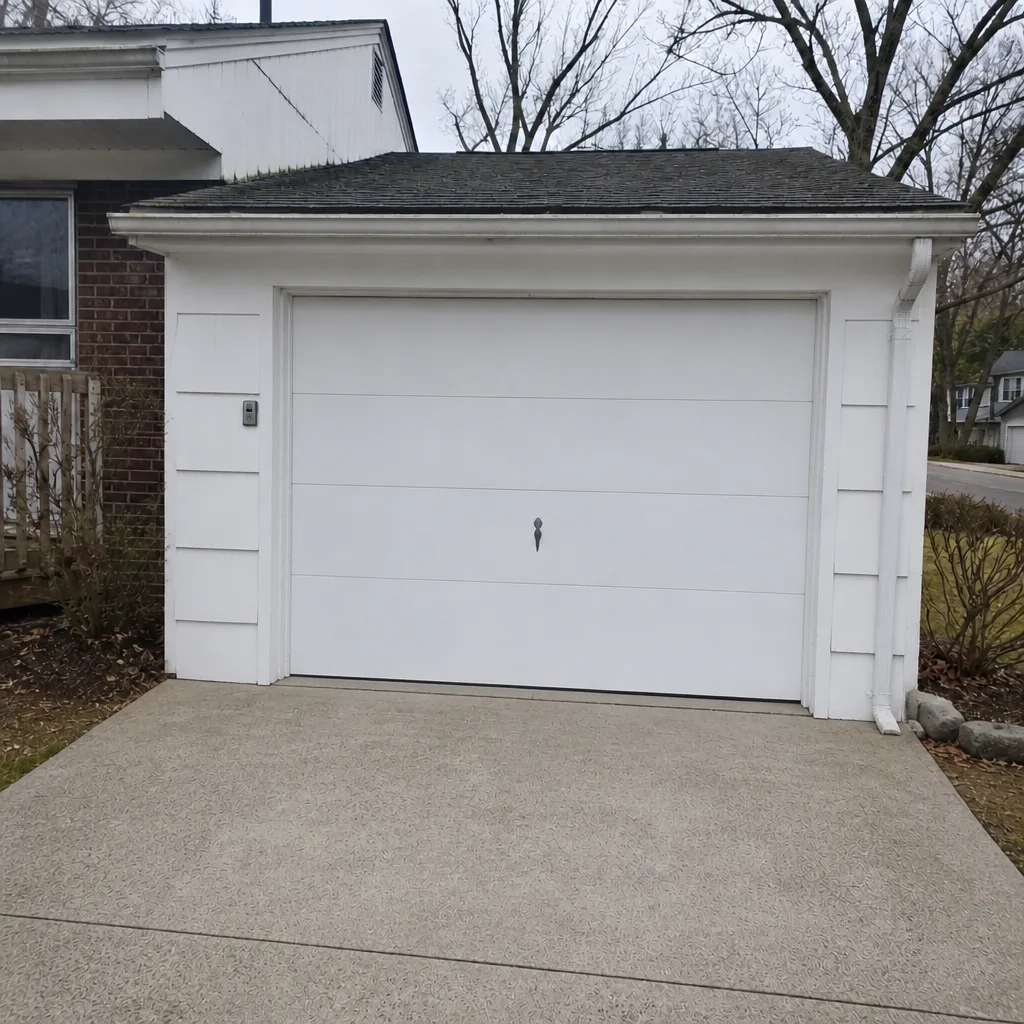
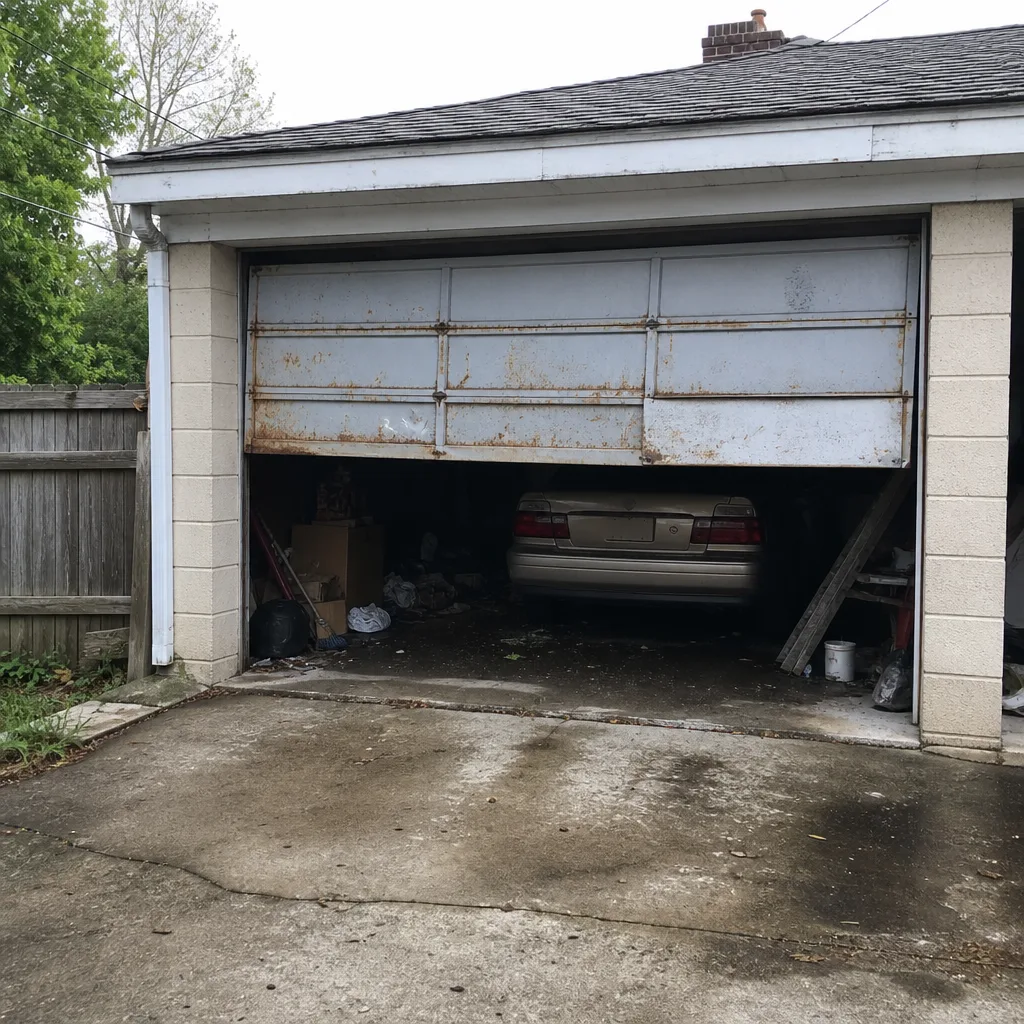
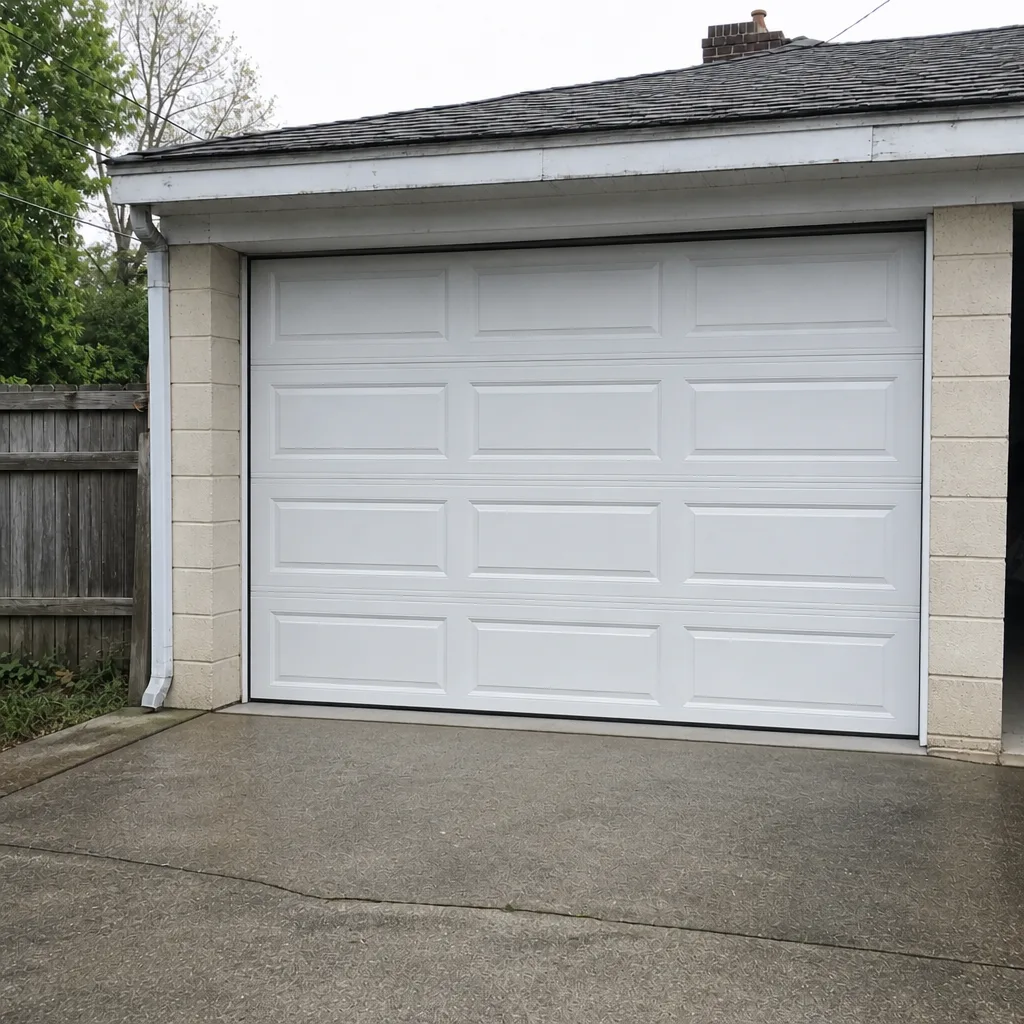
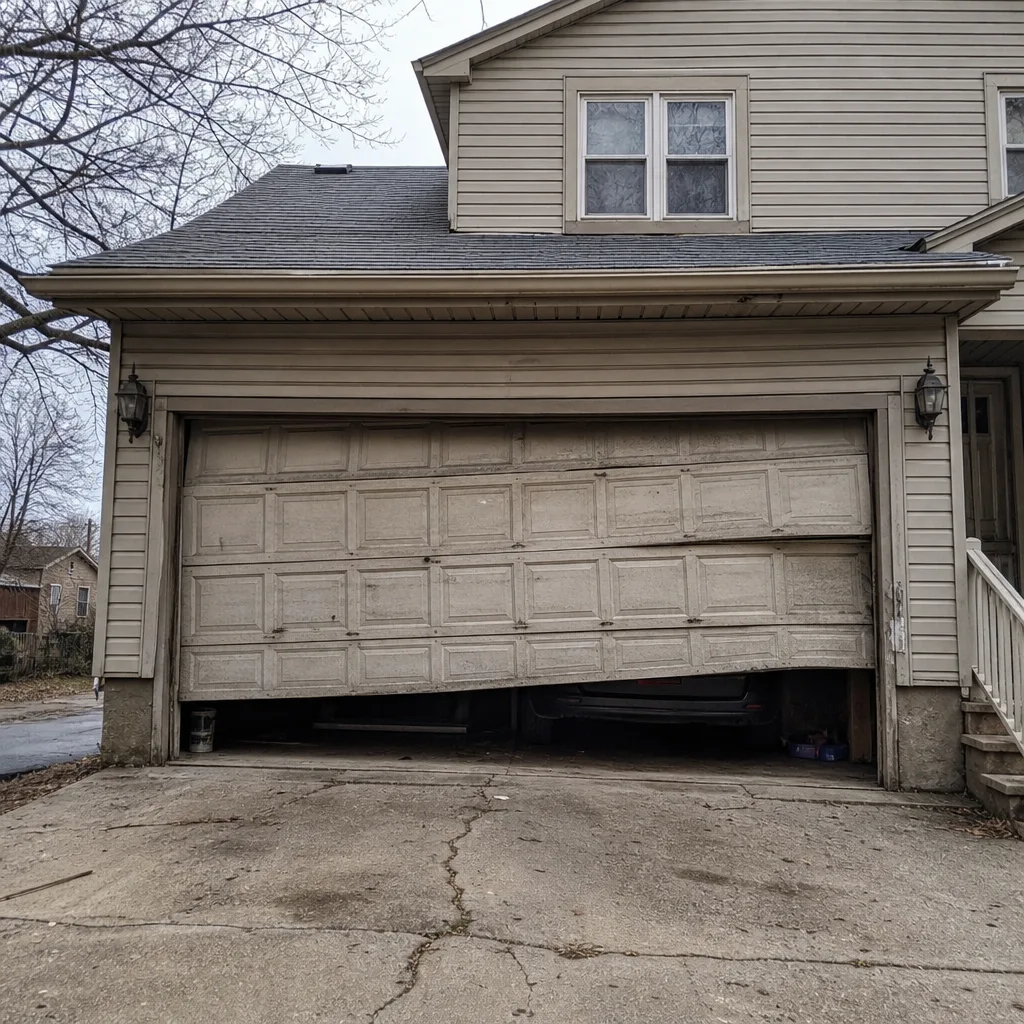
See the difference
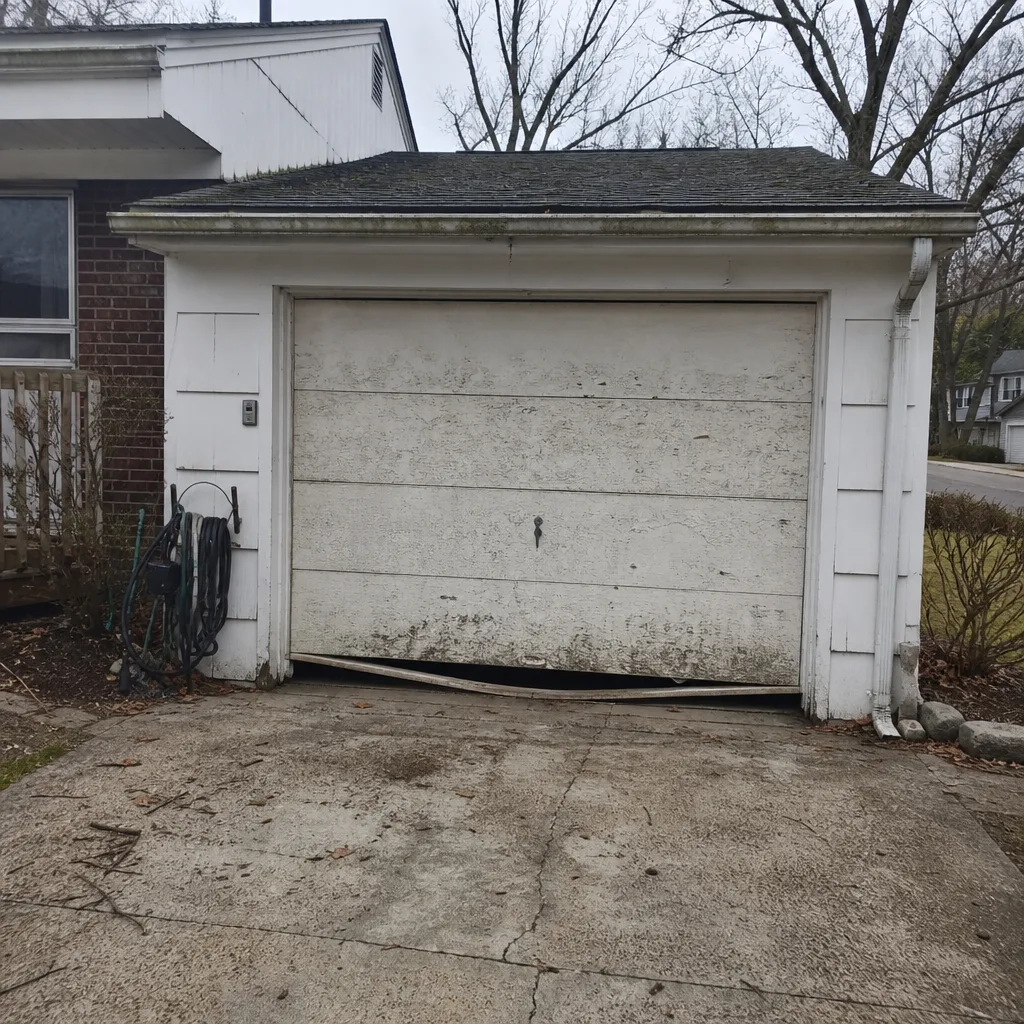 Before
 After
 Before
 After
 Before
 After
When to Call a Professional
Some seasonal care is safe for a homeowner to handle: wiping down hardware, rinsing the bottom section, checking that weatherstrip springs back, and listening for changes. Other situations call for a professional, and it’s worth knowing where the line sits. Call us when a torsion spring makes a new noise, shows a gap, or fails outright; when the door feels heavy, drifts, or binds; when the opener hesitates, strains, or loses force; when the bottom section, hinges, or rollers show rust or damage; and whenever a door is stuck open, stuck closed, or structurally compromised.
Spring failure is a safety issue. We treat it that way, which means we don’t ask you to touch a spring, and we respond fast when a door won’t move. Garage Door Repair Upper West Side offers free estimates in Upper West Side, and we can work with your insurer if a repair is covered. Call (866) 937-7438 to set one up. One call covers repair, installation, opener service, and emergency response, so you never need a second vendor no matter what the door needs.
Frequently Asked Questions
The late-winter spring inspection, done in late February and March. That’s when repeated freeze-thaw cycling has put the most stress on your torsion springs, and it’s when micro-fractures turn into failures. A visual check from a safe distance with a flashlight, combined with listening to a full cycle, catches most problems early. Call (866) 937-7438 for an exact quote if you want a professional inspection – estimates are free.
Typical spring repair runs in a range that depends on whether one spring or a matched pair is replaced, the size and tension rating of the spring, and the door’s age. A matched pair is usually replaced together, so a pair costs about twice a single spring. The written estimate sets the final price, and it’s quoted and agreed before any work starts. Call (866) 937-7438 for a free estimate.
For emergency situations where the door is stuck open, stuck closed, or structurally compromised, we respond as quickly as we can and offer same-day service for many repairs. When the door won’t move, we move fast. Call (866) 937-7438 and we’ll give you a clear answer on timing.
No. The price is quoted and agreed before any work starts. If the technician finds a related issue that wasn’t visible at the estimate stage, you’ll hear about it and get a new written quote before anything changes. You won’t get a surprise invoice for work you didn’t approve. Call (866) 937-7438 for a free estimate.
The local pro who handles the work is licensed and insured as their state requires. Our technicians have up to 12 years of experience on doors and openers, and we work across LiftMaster, Chamberlain, Genie, Clopay, Amarr, Wayne Dalton, Craftsman, and Raynor systems. Call (866) 937-7438 to set up a free estimate.
Not every year, but check it every fall. Hudson River humidity and winter salt shorten its life compared to drier climates, so inspect it before the first freeze and replace it when it’s hardened, cracked, or not springing back. The bottom seal and perimeter weatherstrip are the parts that matter most in a below-grade garage.
The Bottom Line
Seasonal garage door care in Upper West Side is shaped by the neighborhood’s specific conditions: the Hudson River humidity that attacks metal and wood in summer, the freeze-thaw cycles that work torsion springs hardest in March and November, and the road salt that migrates into below-grade garages all winter. A door that gets checked at each seasonal transition lasts longer and fails less often than one that only gets attention when something breaks. Inspect springs in late winter, protect hardware and weatherstrip in summer, seal and prep in fall, and test your opener’s battery and cold-weather performance before winter. When a spring fails or a door won’t move, that’s specialist work, and one call covers repair, installation, opener service, and emergency response. Call Garage Door Repair Upper West Side at (866) 937-7438 for a free estimate.
Written by the team at Garage Door Repair Upper West Side.