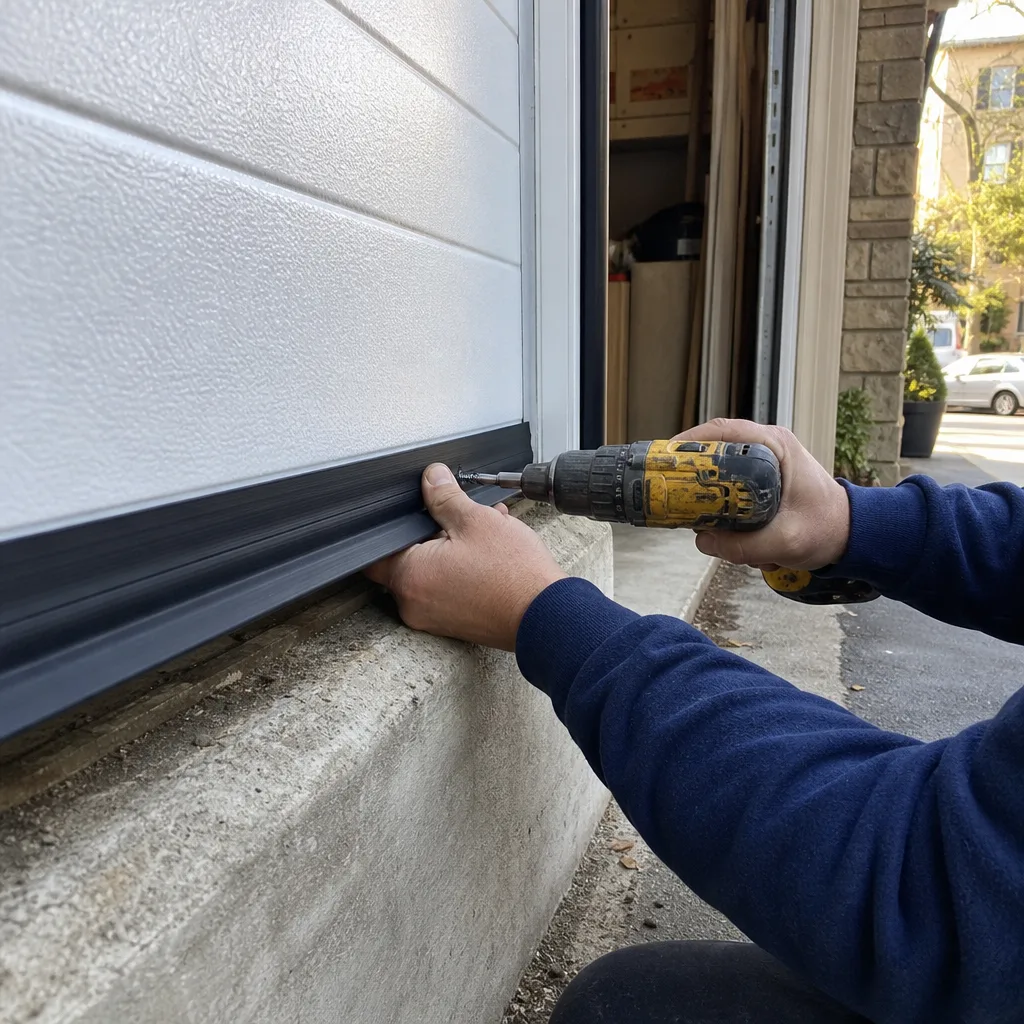
Last updated November 20, 2026
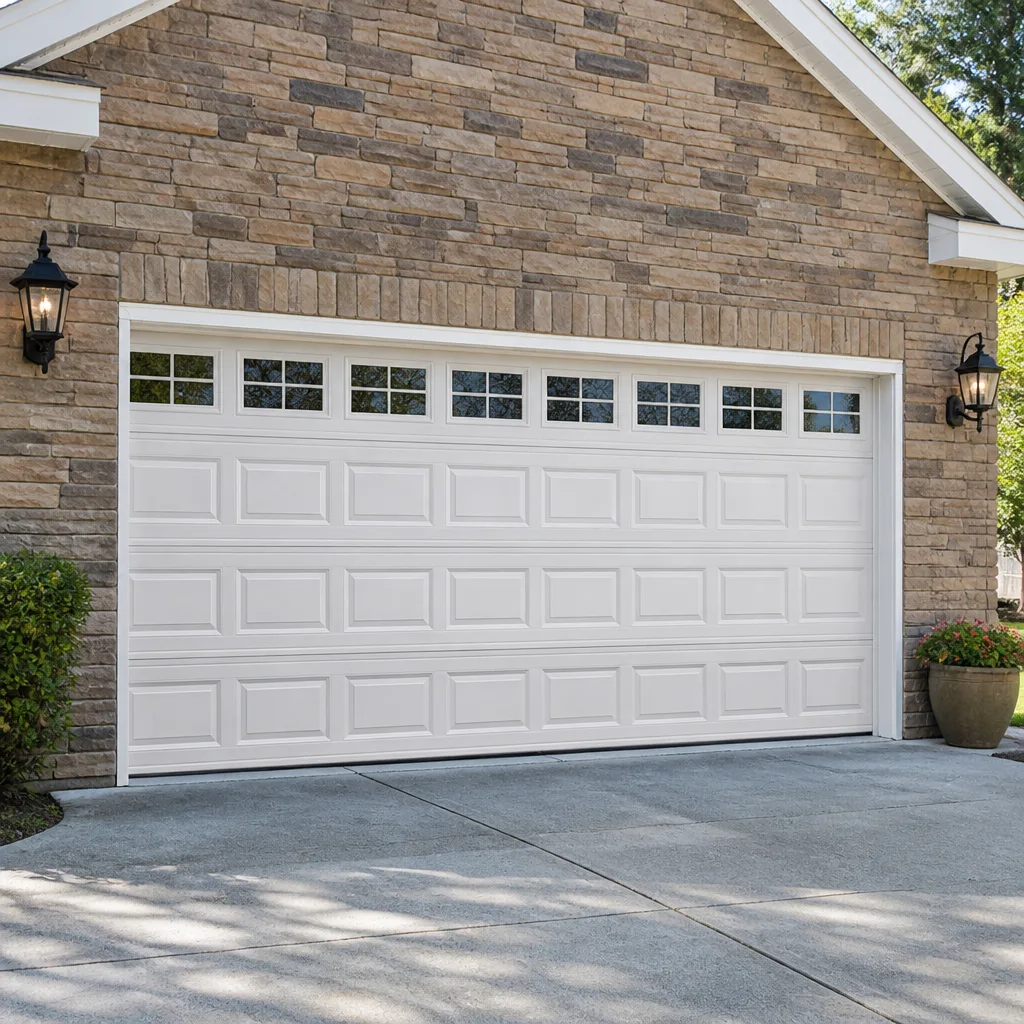 Raised-panel steel
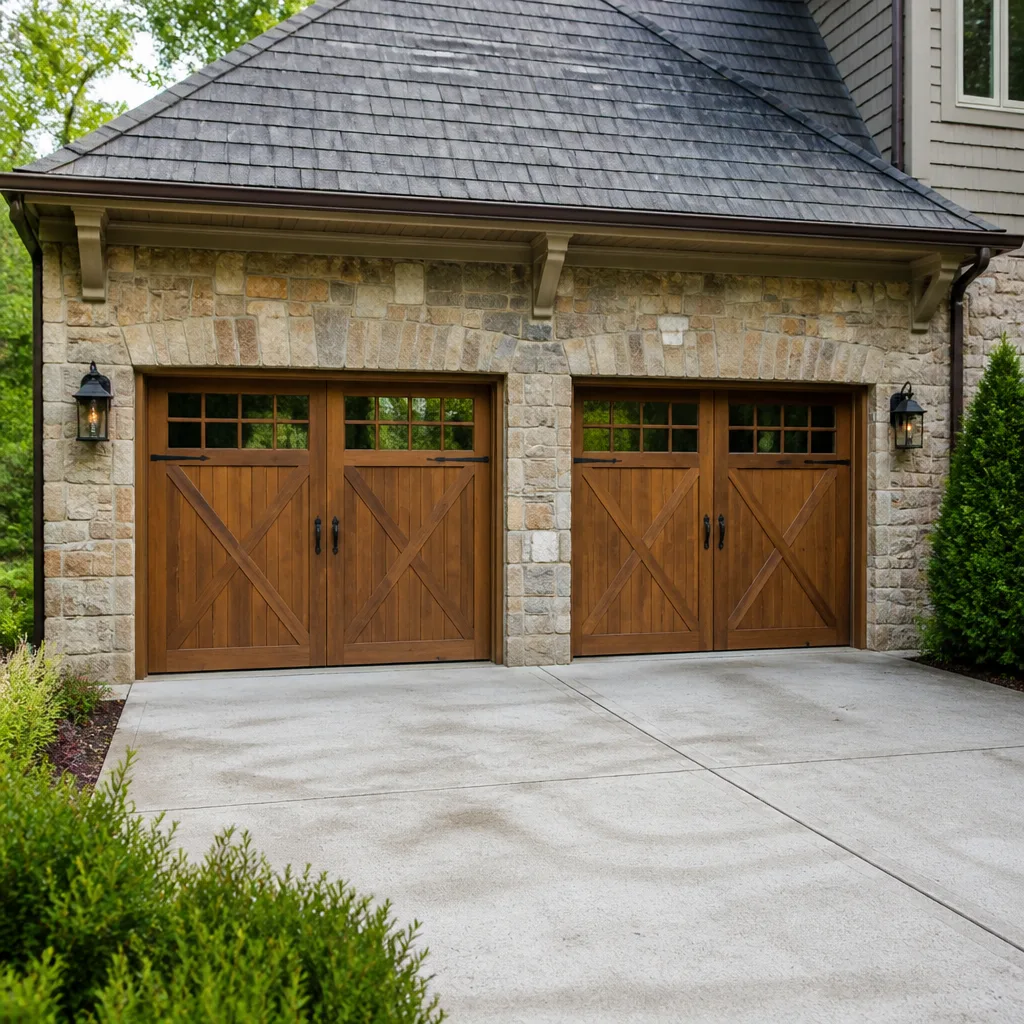 Carriage house
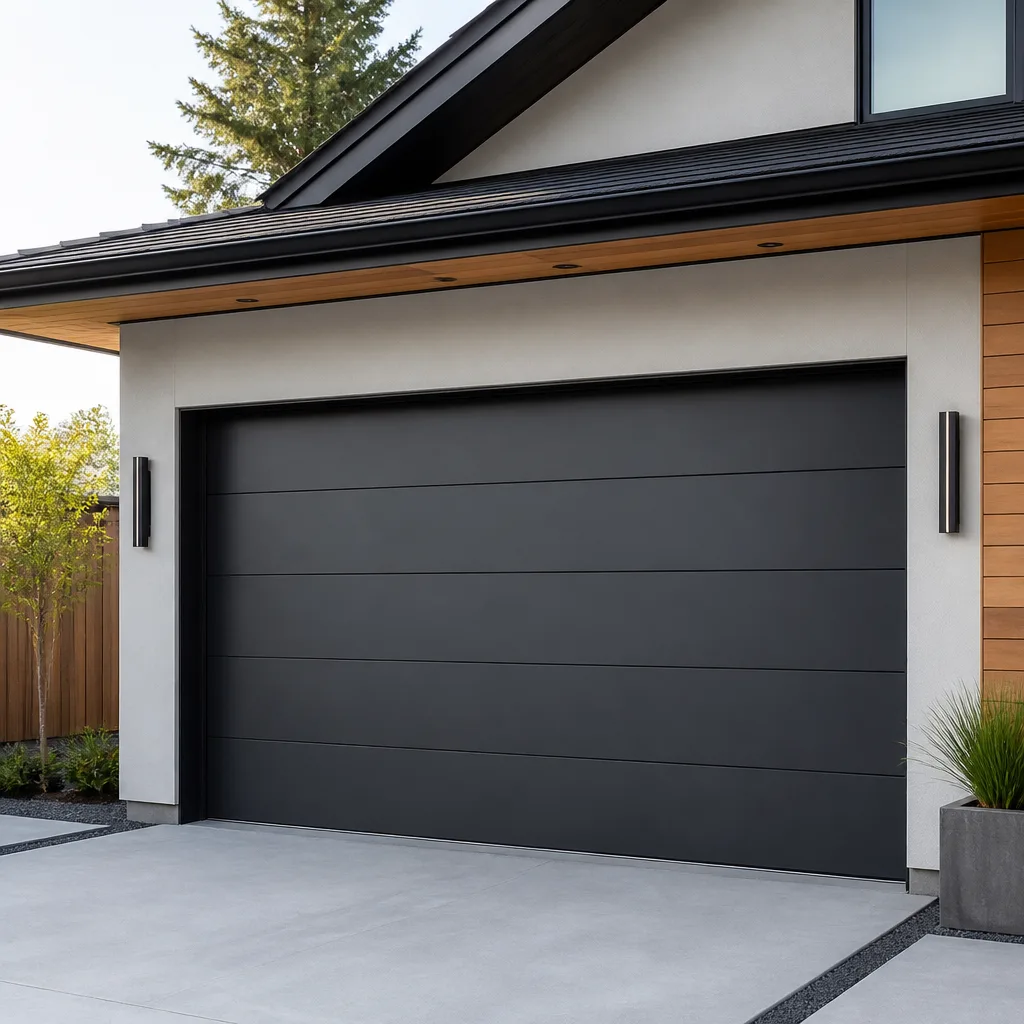 Modern flush
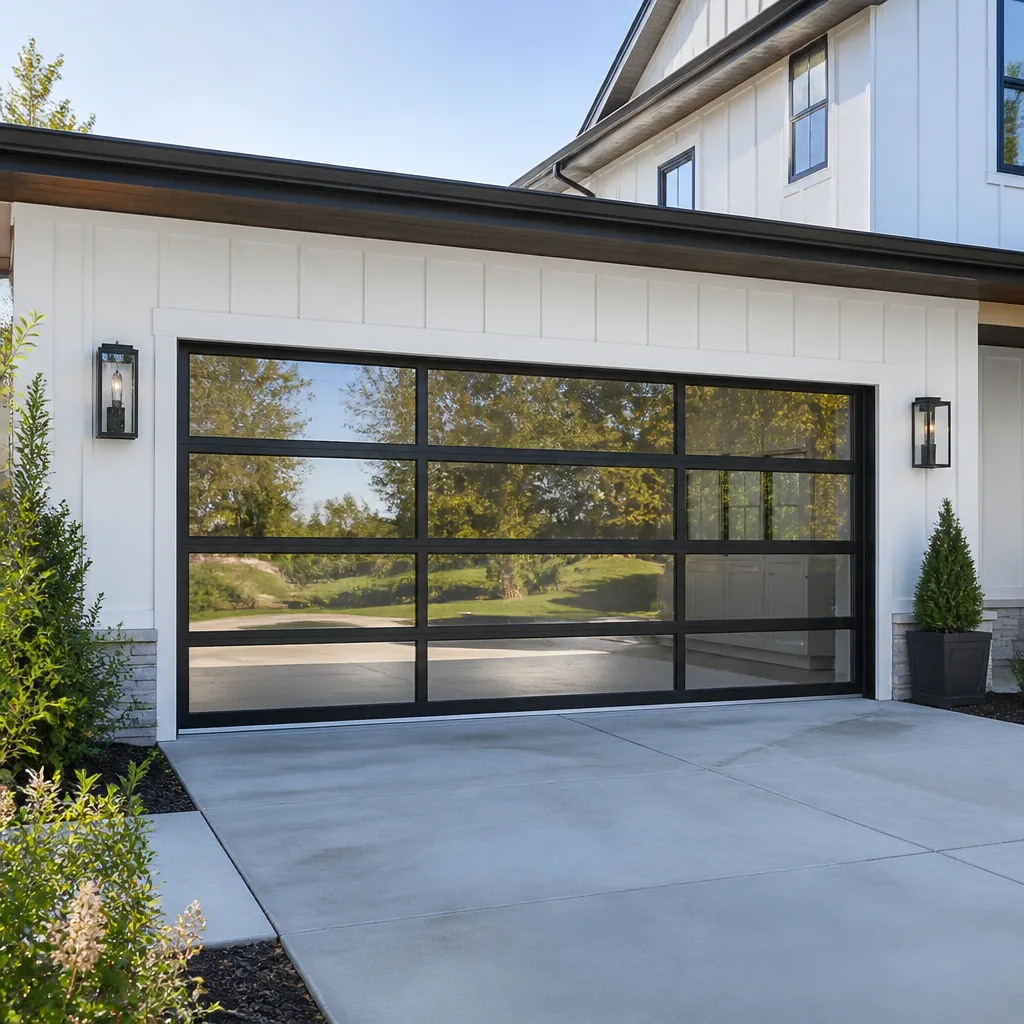 Full-view glass
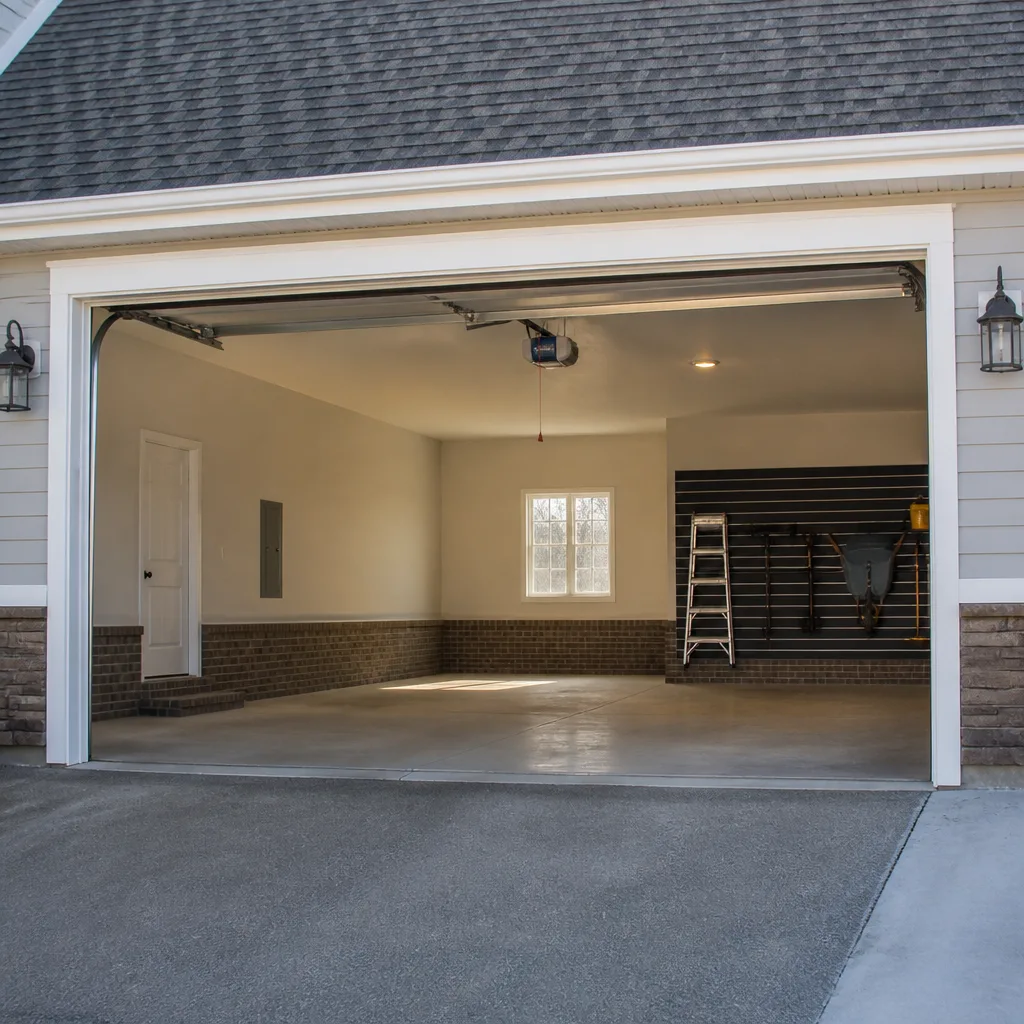 LiftMaster openers
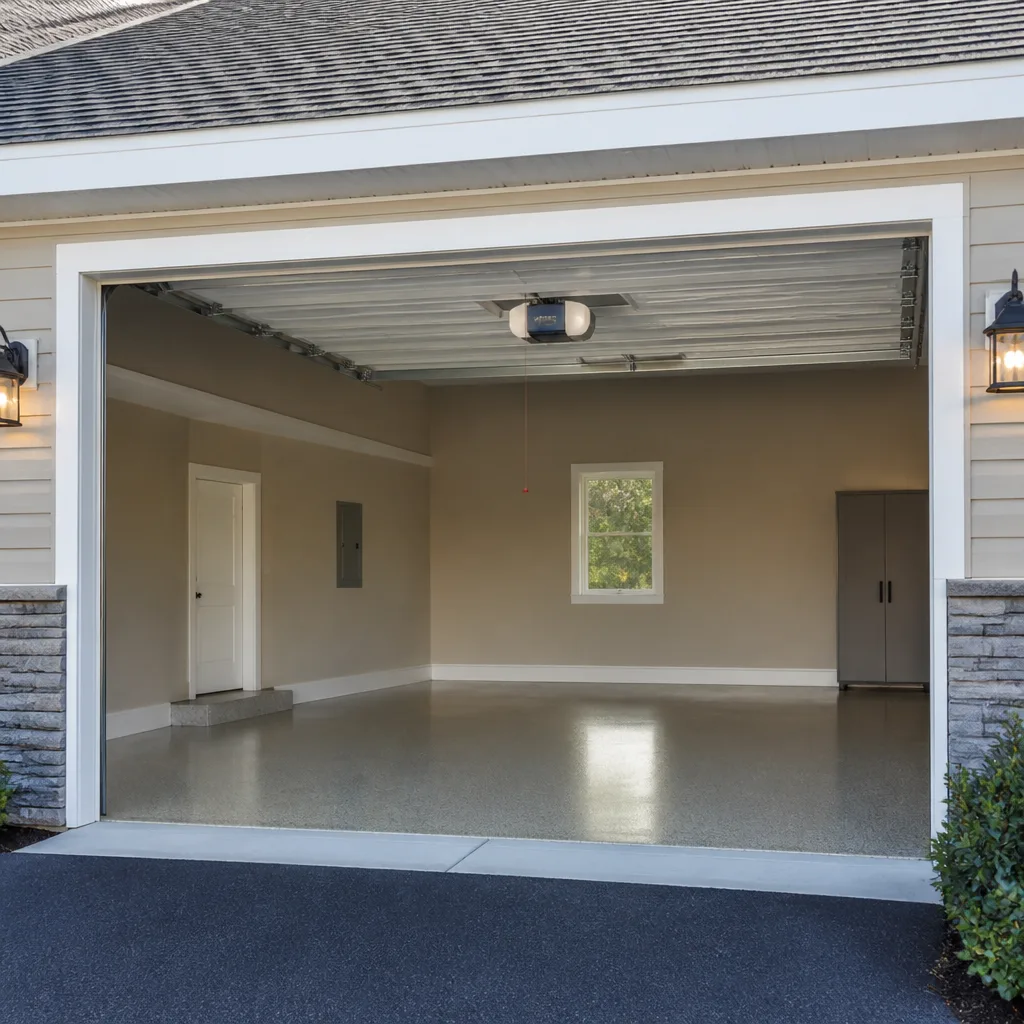 Chamberlain openers
Full 25-point door and opener safety check with every visit - springs, cables, rollers, tracks, and your LiftMaster or Chamberlain opener included
You get a price before we start. It does not change when the pro arrives.
Get your free estimateHow to Hire a Garage Door Contractor in Upper West Side: A Step-by-Step Guide
The contractor who does excellent work in Westchester can create a permit problem, a co-op board dispute, or a botched low-clearance installation when they take on their first Upper West Side job, and you’re the one who lives with it. That’s the part most hiring advice skips. Price and reviews tell you almost nothing about whether someone has filed with the NYC Department of Buildings before, worked inside a pre-war building’s service access rules, or sized a door for a garage bay with barely an inch of headroom. This guide walks through what actually separates a contractor who knows the Upper West Side from one who’s simply willing to drive into it. You’ll learn how to check credentials, screen for real neighborhood experience, and write an estimate that protects you.
Quick Answer
To hire a garage door contractor in Upper West Side, verify three things before you sign anything: the contractor is licensed and insured to work in New York City (not just their home county), they can tell you how NYC DOB permits apply to your specific job, and their written estimate itemizes parts, labor, permit responsibility, and site conditions. Reviews and a low price come after that. An Upper West Side job involves urban access, building rules, and sometimes low-clearance or non-standard installations, and a contractor who hasn’t done that work will show it in their answers.
Styles & brands we work with
- Raised-panel steel
- Carriage house
- Modern flush
- Full-view glass
- LiftMaster openers
- Chamberlain openers
Table of Contents
- Why Upper West Side Garage Work Is Different
- Licensing and Insurance: What NYC Demands
- Questions That Reveal Real Upper West Side Experience
- How to Verify DOB Filing History
- Urban Red Flags
- What a Legitimate Written Estimate Must Include
- The 7-Step Hiring Process
- Common Mistakes to Avoid
- When to Call a Professional
- Frequently Asked Questions
Why Upper West Side Garage Work Is Different
The Upper West Side has building stock that shapes every garage door job. Pre-war co-ops and condos line much of the neighborhood, along with townhouses converted from older single-family homes and a smaller number of larger apartment buildings. Garage bays in this part of Manhattan are often tucked under buildings, accessed from side streets or shared service corridors, and sized to fit whatever was there when the building was first built rather than what’s standard now. A door that fits one Upper West Side installation may not fit a building four blocks away.
That reality drives most of the complications:
- Low-clearance bays. Some Upper West Side garages have low overhead, which limits which openers and track configurations can be used. Standard torsion setups don’t always fit.
- Building access windows. Many co-ops and condos restrict when contractors can use service entrances, freight elevators, or loading zones. A contractor who can’t work within those windows slows the whole job.
- Shared walls and structural attachment. Door tracks, springs, and openers often anchor into building structure rather than a freestanding wall, which changes the mounting plan.
- Weather that accelerates wear. Upper West Side summers are humid enough to rust lower-grade hardware faster than dry climates, and winter road salt tracked into garages gets on door bottoms and tracks. That’s a maintenance factor for every job here.
The takeaway: neighborhood geography and building type matter as much as the brand name on the door. A contractor who’s used to a suburban two-car garage with a wide, high bay won’t automatically know how to read an Upper West Side installation until they’ve actually worked in one.
Licensing and Insurance: What NYC Demands
New York City imposes requirements on contractors that differ from what a suburban contractor may carry as standard. That’s the single most common gap. A Westchester or New Jersey contractor might be fully licensed and insured for their home jurisdiction and still not hold what a Manhattan job requires.
Here’s what to check and confirm, in writing, before any work begins:
- Business licensing. Confirm the contractor can legally operate a home improvement or construction business in New York City. Ask for the license number and verify it with the city before you sign, not after.
- General liability insurance. Request a certificate of insurance showing active coverage and confirming that the contractor is insured for work performed at your address. Call the insurer to confirm the certificate isn’t expired.
- Workers’ compensation coverage. If the contractor brings any employee or helper onto your property, they must be covered. An injured worker on an uncovered job can become your problem.
- Exact business name on the insurance. The certificate should name the same entity you’re contracting with. If the names don’t match, ask why.
We can’t tell you what your specific building or insurer will require, and neither should a contractor guess. Ask your building’s management or your co-op board what proof they want to see before any vendor starts. For a co-op, that answer often sits in the alteration agreement or vendor onboarding paperwork. Insurance language on a garage door estimate should say “the local pro is licensed and insured as their state requires” and back it up with documentation, not with a promise on a business card.
Questions That Reveal Real Upper West Side Experience
Asking “have you worked in the Upper West Side?” gets you a yes from almost anyone. The better test is to ask questions that only a contractor with real neighborhood experience can answer cleanly. Vague answers here tell you more than any review score will.
Ask these in the first phone call:
- “What’s the process for filing a permit with the NYC DOB for this kind of job?” A contractor who’s done Upper West Side work will describe the steps without hesitation. A contractor who hasn’t will hedge or say “we don’t usually need one.”
- “Can you work within my building’s access window?” Give them the actual hours your building permits vendor access and see how they plan around it.
- “Have you installed doors in buildings with this much clearance?” If your garage bay is low, ask what track and opener configurations they’d consider. Specific answers signal real experience; “we’ll figure it out” doesn’t.
- “What does the co-op or condo need from you before work starts?” A contractor with Upper West Side experience will know about vendor insurance certificates, alteration forms, and building manager approvals. A contractor without that experience will expect to be told.
- “What door and opener brands do you work with routinely?” LiftMaster and Chamberlain openers, and doors from Clopay or Raynor, come up often enough in this neighborhood that most contractors will know them. If they can’t tell you which brands they service, that’s a signal.
- “Can you show me the estimate breakdown before I commit?” The answer should be yes, and the estimate should itemize.
Brand-agnostic expertise matters. We work on eight major garage door and opener brands, including LiftMaster, Chamberlain, Genie, Clopay, Amarr, Wayne Dalton, Craftsman, and Raynor, so diagnostics and part sourcing don’t stall on a make the contractor hasn’t seen. That fluency belongs on your checklist too: ask what brands the contractor handles and whether they’ve sourced parts for the one already in your garage.
How to Verify DOB Filing History
The NYC Department of Buildings maintains public records of permits and filings tied to contractor work. If a contractor claims Upper West Side experience, you can check whether that experience is documented. This is the step most homeowners skip, and it’s often the one that catches a gap between what a contractor says and what they’ve actually done.
Here’s how to check, in order:
- Get the contractor’s exact legal name and license number. Not a trade name, not an abbreviation. The name that shows up on the insurance certificate.
- Search the DOB’s public records. Look for permits or filings associated with the contractor, and check whether they appear tied to Upper West Side or other Manhattan addresses.
- Confirm your job type would have required a filing. Not every garage door job needs a permit, but any installation significant enough to alter structure or electrical connection might. Ask the contractor to tell you directly whether your job does, and if they say no, ask them to show you how they know.
- Cross-check against the address you’re hiring for. If the contractor says they filed a permit for a job similar to yours, the record should support it.
You don’t have to become an expert in DOB filings to do this. You do have to be willing to make the check. If a contractor can’t or won’t provide the information you need to verify, that’s your answer. Ask your city’s building department what filings apply to your job type, and don’t let a contractor tell you what you want to hear about permits just to keep the sale moving.
Urban Red Flags
Some red flags are universal, like a contractor who won’t put a price in writing. But urban garage work produces a few specific warning signs that come up far more often in Manhattan than in the suburbs. Watch for:
- Vague permit answers. “We don’t usually bother with permits” or “the super handles that” are the wrong answers. A contractor who’s genuinely familiar with NYC filings can tell you plainly whether your job needs one and who’s responsible for filing.
- No co-op or condo approval experience. If your building requires vendor insurance documentation, alteration forms, or board sign-off, a contractor who’s never navigated that paperwork will delay your job. Ask them for the list of documents they routinely submit.
- Can’t work within access windows. If a contractor insists on arrival times your building won’t allow, the job will stall on day one.
- Pressuring you into a full replacement when the diagnosis is vague. A contractor who can’t tell you specifically what failed, and which brand and model they’re working with, may be guessing at the repair. We work on the brand already in your garage, and no replacements get pushed unnecessarily.
- No written estimate, or a one-line price. If the whole estimate is a single number, you can’t tell what’s covered, what’s not, and what happens when conditions differ from expectations.
- Only one point of contact, no office follow-up. A contractor who only takes your call but can’t connect you to their office or a written invoice process is hard to hold accountable.
One more, specific to spring work: if a contractor treats a broken torsion spring as a routine, low-risk task, that’s a red flag. Spring work is the most mechanically dangerous part of this trade. A contractor who doesn’t treat it that way is missing something important.
What a Legitimate Written Estimate Must Include
A legitimate written estimate for Upper West Side garage door work does two things: it tells you exactly what will be done and it protects you if something goes wrong or the job changes mid-stream. A single-number estimate does neither. Ask for these items explicitly:
- The contractor’s legal business name, address, and license or registration information. Enough identifying detail to hold them accountable.
- Itemized parts and labor. Each part (springs, cables, rollers, hinges, opener, door panels) separately priced, with labor broken out. If you can’t see what each piece costs, ask.
- Brand and model of every part. A LiftMaster or Chamberlain opener, or a replacement door panel from Clopay or Amarr, should be named on the estimate. Ask, and if they say “a comparable model,” push for the specific one.
- Permit responsibility. State clearly whether the contractor will file with the NYC DOB and whether that cost is included or separate.
- Site conditions explicitly noted. Low clearance, restricted access windows, or building-level approval requirements should appear on the estimate so they’re priced in, not added on after the job starts.
- Estimate validity window. A date range within which the pricing holds.
- Payment terms. When payment is due, how much is due up front, and what the final payment is conditioned on.
- Written statement that no work begins before the price is agreed in writing. This is the line that protects you if there’s ever an invoice dispute.
Pricing should be described as estimated, not guaranteed. Ranges are typical for a job type; the written estimate sets the final price. If a contractor can’t or won’t put the estimate in writing before they start, that’s not an estimate, it’s a guess.
The 7-Step Hiring Process
Here’s the full sequence in order. It’s the same process whether you’re replacing a failed spring, upgrading an opener, or installing a new door.
- Diagnose the job. Before you call anyone, know what’s wrong or what you want. A failed spring, a door that won’t close, an opener that hums but doesn’t move, or a planned replacement are four different jobs, and they need different contractors and estimates.
- Request three written estimates. Get them in writing, itemized, with brands named. Don’t commit to the first one, even if it’s the lowest.
- Verify license and insurance. Confirm the license number and insurance certificate with the issuing authority before you sign, not after the work.
- Check DOB filing history. Search public records for permits or filings under the contractor’s legal name. If you can’t find any, ask the contractor to explain.
- Screen for Upper West Side experience. Use the screening questions above. Vague answers here are informative.
- Review the estimate against the checklist. Every item above should appear. If something’s missing, ask for a revised estimate.
- Confirm the final price before work starts. Get a written or emailed confirmation that the agreed price is the price, and that any change requires a new written approval.
If at any point you’re comparing local contractors and want to see how licensed local pros in the area handle garage door repair, that’s a reasonable final cross-check before you commit.
Common Mistakes to Avoid
- Hiring on price alone. The lowest estimate is usually the least itemized one. A cheap price with no breakdown is a gamble, not a deal. Price matters, but it comes last.
- Skipping the license and insurance check. A contractor who’s licensed and insured in Westchester may not be legal for a Manhattan job. Ask for the documentation, confirm it with the issuing authority, and don’t accept a verbal assurance.
- Never asking about permits. If you don’t ask, a contractor who doesn’t know will simply skip the question. Ask what documentation the NYC DOB requires for your specific job, and confirm the contractor’s answer against the city’s public records before you sign.
- Assuming any contractor can handle a co-op or condo building. If your building requires vendor insurance paperwork, board approval, or an alteration form, ask whether the contractor has submitted those before. A contractor without that experience will add days to your timeline.
- Ignoring your building’s access rules. If the contractor can’t work within your building’s permitted hours, the job will start late or not at all. Include the access window in your first phone call.
- Accepting a one-line estimate. Without itemization, you have no protection if the invoice comes back higher than you expected. Demand the breakdown.
- Letting a contractor treat spring work casually. Spring failure is a safety issue. A contractor who doesn’t handle it that way is telling you something about how they approach every job.
When to Call a Professional
Some garage door issues are cosmetic or minor enough to wait. Others aren’t. Call a professional when:
- The spring is broken or the door feels unusually heavy to lift.
- The door is stuck open or stuck closed and won’t move with the opener or by hand.
- A cable is frayed, visibly loose, or hanging off its drum.
- The opener runs but the door doesn’t move, or the door reverses on its own.
- A panel is bent or the door is off its track.
- You’re planning a new door or opener installation and want an accurate estimate on the right brand and configuration for your building.
Spring work is not a do-it-yourself job. The torsion springs and cables carry high tension, and a mistake during adjustment can cause serious injury. We treat spring repair as a safety-critical service for that reason. Garage Door Repair Upper West Side offers free estimates in Upper West Side, and you can call (866) 937-7438 to talk through what’s happening. Our technicians have up to 12 years of experience, and when the door won’t move, we move fast.
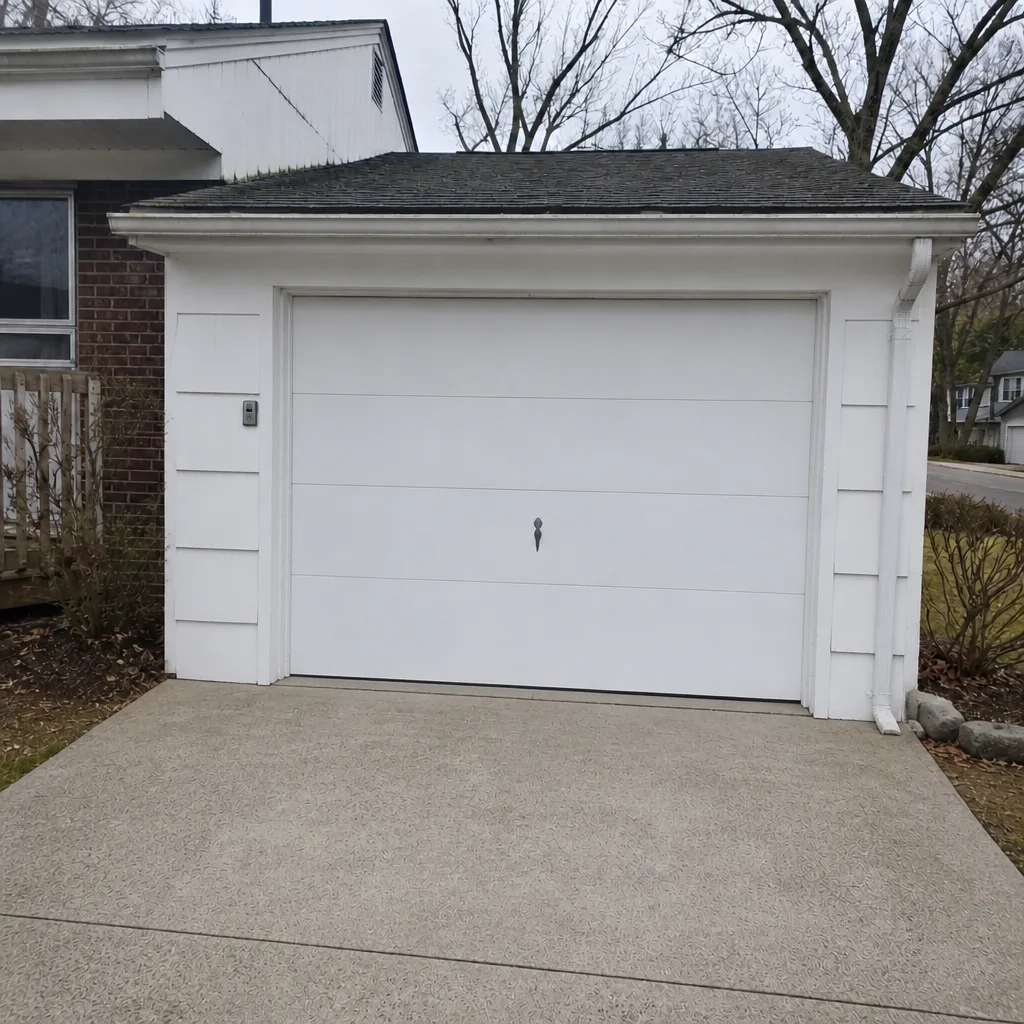
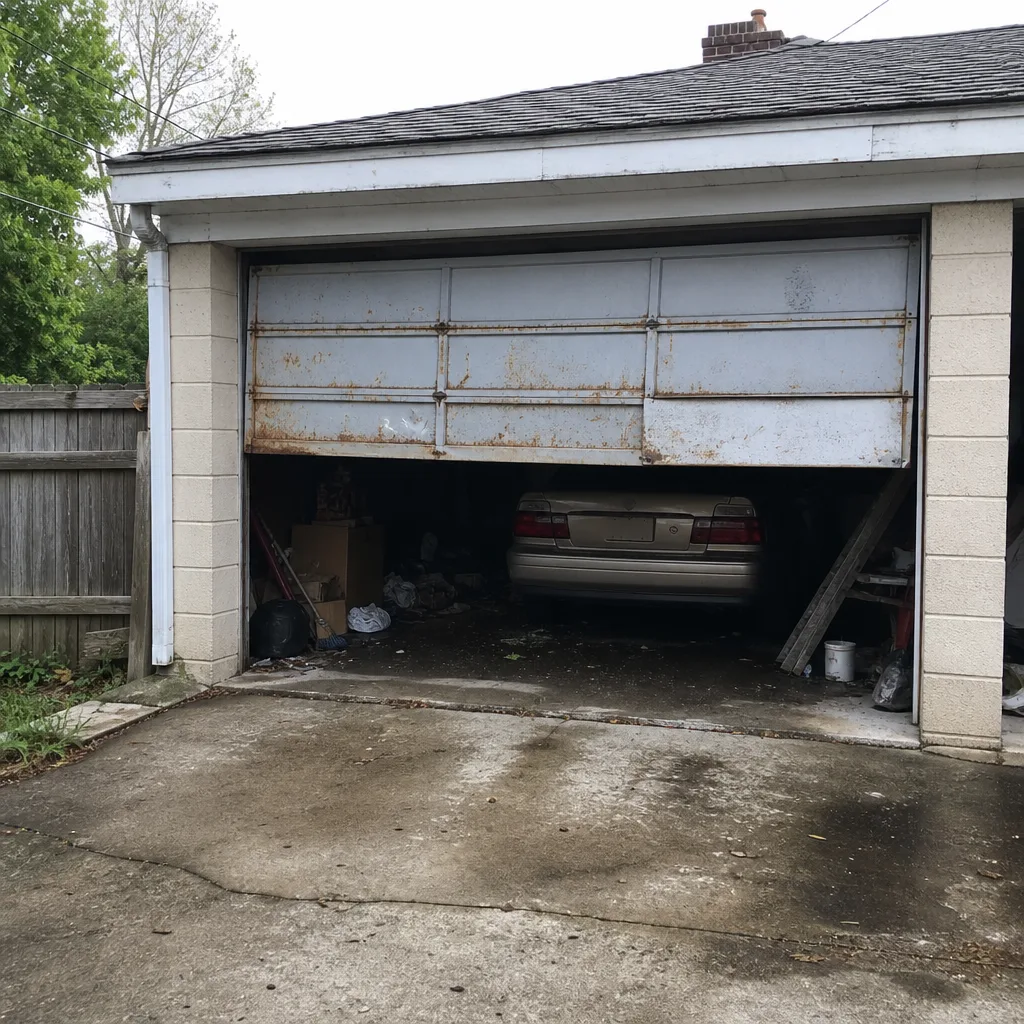
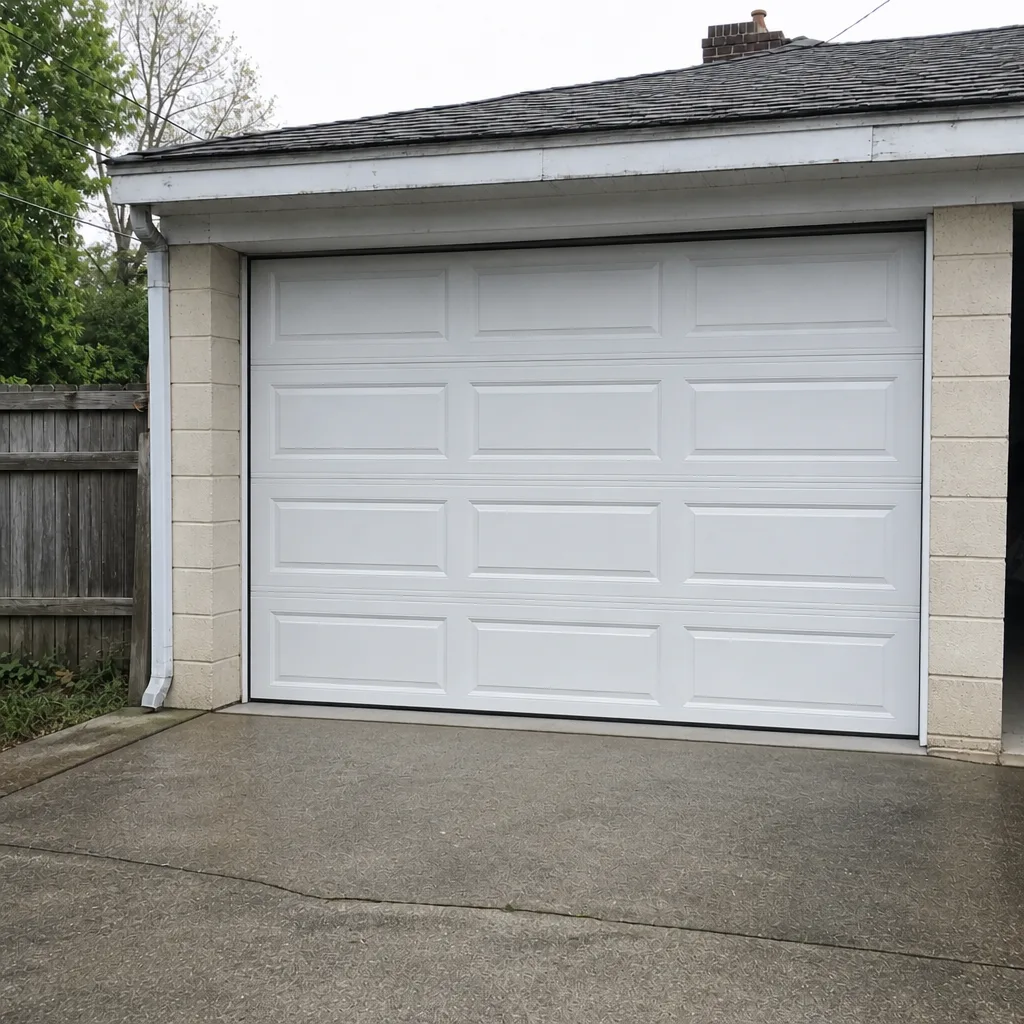
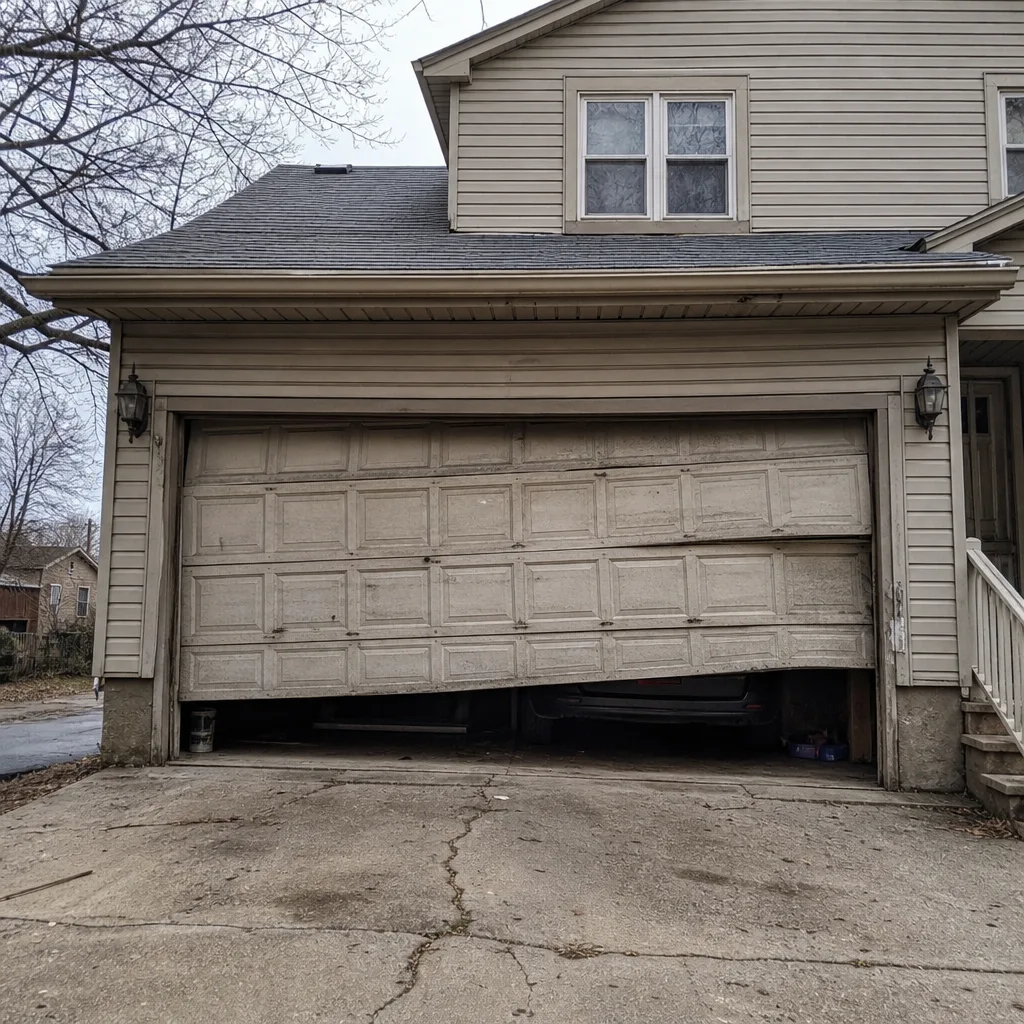
See the difference
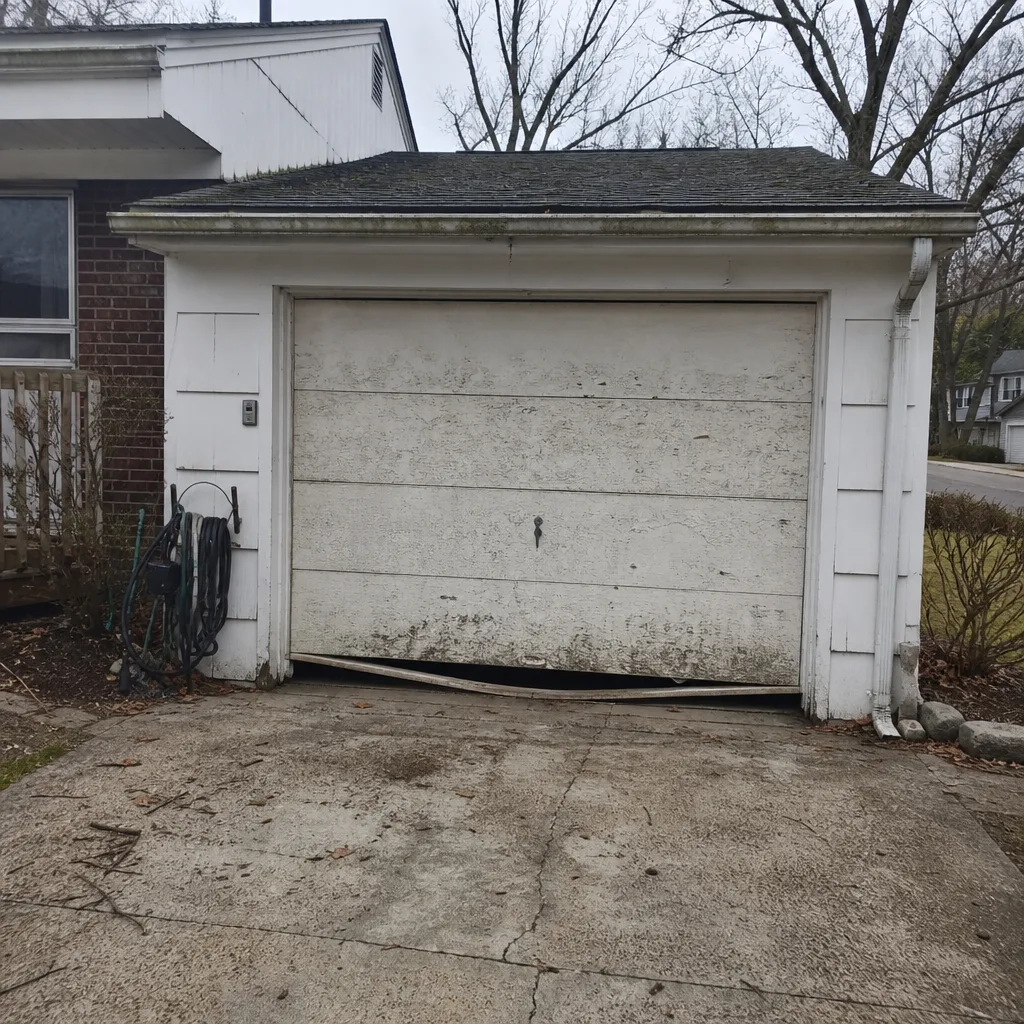 Before
 After
 Before
 After
 Before
 After
Frequently Asked Questions
Spring repair prices vary by spring type and door size, and the written estimate sets the final price. Call (866) 937-7438 for an exact quote; estimates are free.
For repair and emergency calls, we can often respond the same day, including fast dispatch from 7am to 7pm. Call (866) 937-7438 and tell us what the door is doing.
No, the price is agreed and quoted in writing before any work begins. If a condition on site changes the scope, we’ll show you the difference and get your written approval before proceeding. Call (866) 937-7438 to schedule a free estimate.
The local pro performing the work is licensed and insured as their state requires, and the documentation is available on request. Call (866) 937-7438 to confirm the details for your job.
Not every job needs a permit; significant installation work sometimes does. Ask your city’s building department what applies to your job type, and ask the contractor directly. Call (866) 937-7438 to discuss your specific installation.
We work on eight major brands, including LiftMaster, Chamberlain, Genie, Clopay, Amarr, Wayne Dalton, Craftsman, and Raynor. For a brand-specific diagnostic estimate, call (866) 937-7438.
The Bottom Line
Hiring a garage door contractor in Upper West Side comes down to three checks most homeowners never make: verifying the license and insurance are valid for NYC, confirming the contractor has real Upper West Side experience with the building types here, and insisting on a written, itemized estimate before work begins. Price and reviews come after those three. A contractor who passes all three will also know whether your job needs a DOB filing. One call covers it: repair, install, opener, spring, and emergency.
Before you commit to anyone, it helps to know what a licensed local pro will ask you about the job. Cross-check against how the area’s Garage Door Repair Upper West Side specialists screen calls, how a garage door installation gets scheduled and measured, and what a garage door opener repair diagnosis should include. Those three checkpoints cover the questions this guide raises.
Contact
Whether you need an estimate, a same-day repair, or a full installation in Upper West Side, call Garage Door Repair Upper West Side at (866) 937-7438 for a free estimate. Our technicians have up to 12 years of experience, and we work on the brands already installed in Upper West Side garages: LiftMaster, Chamberlain, Genie, Clopay, Amarr, Wayne Dalton, Craftsman, and Raynor. One call covers it.
Written by the team at Garage Door Repair Upper West Side.