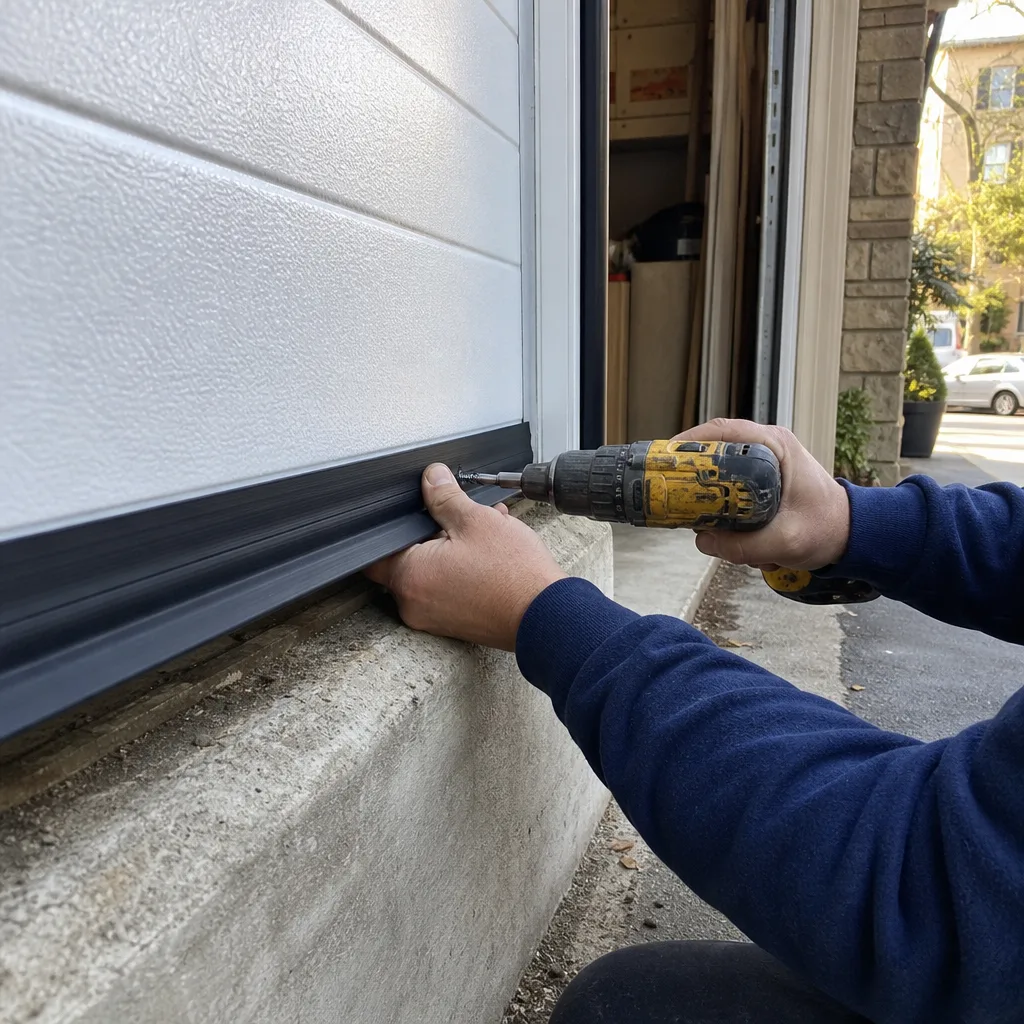
Last updated November 20, 2026
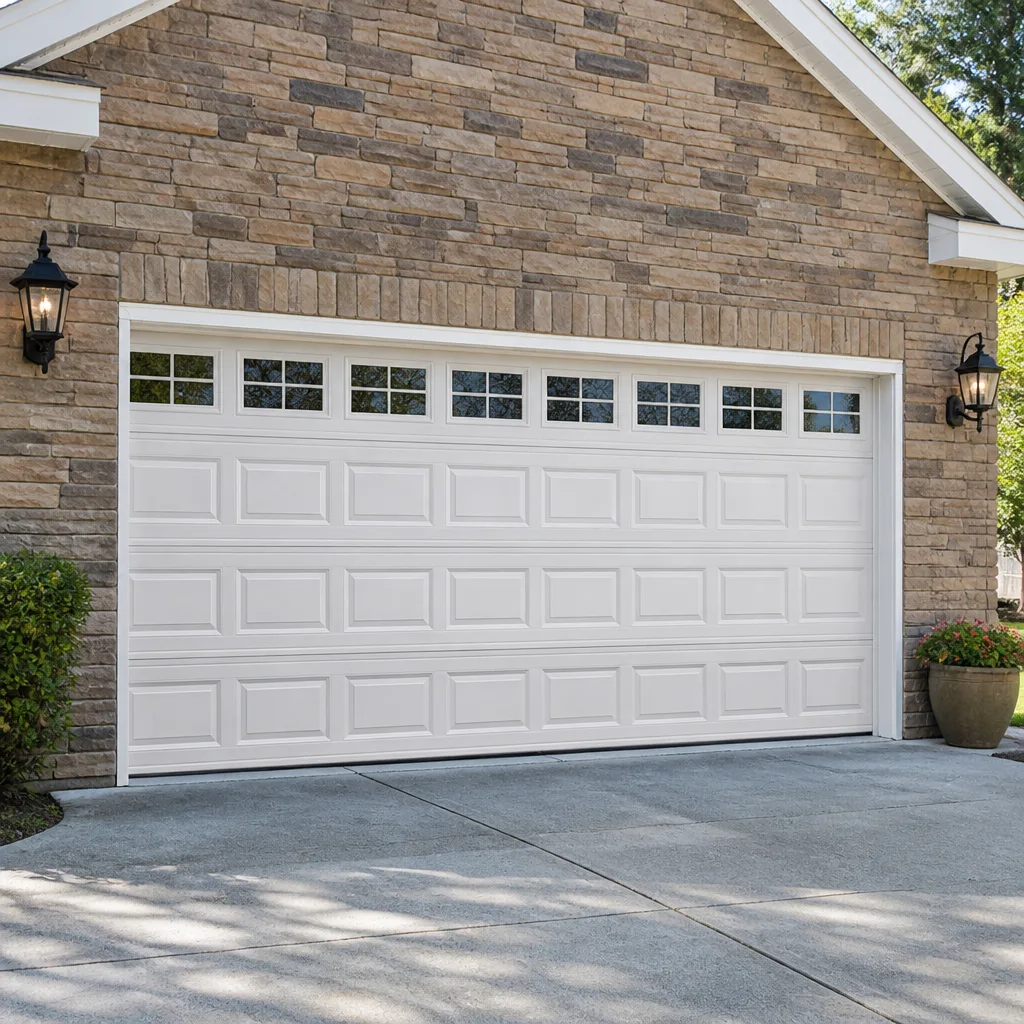 Raised-panel steel
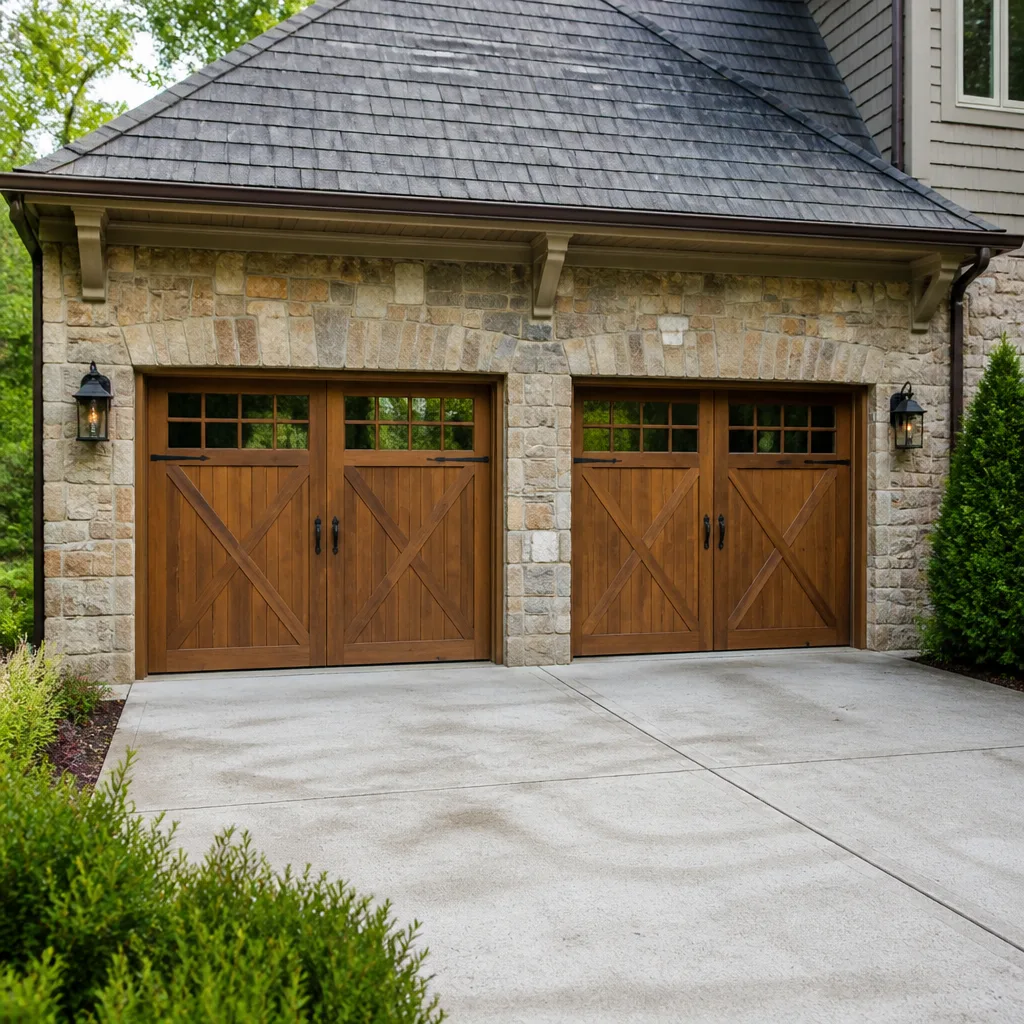 Carriage house
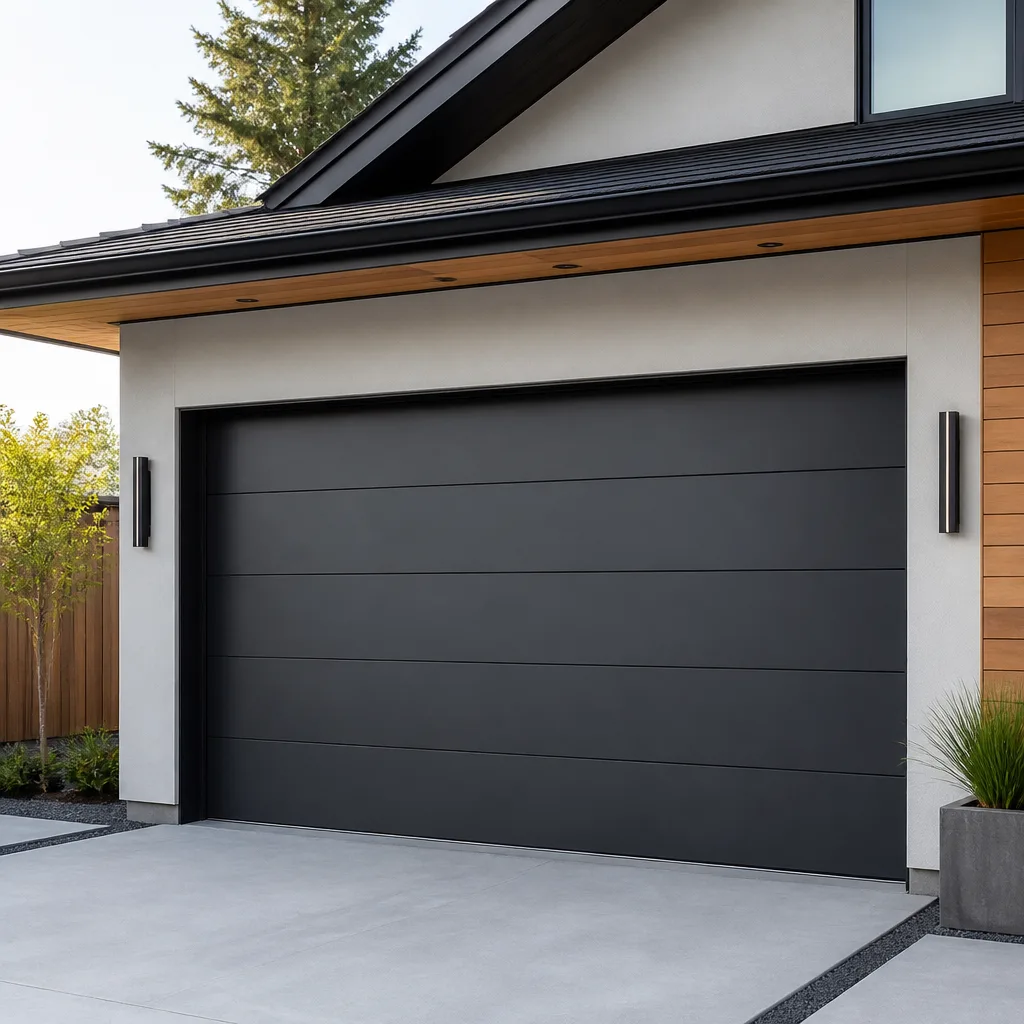 Modern flush
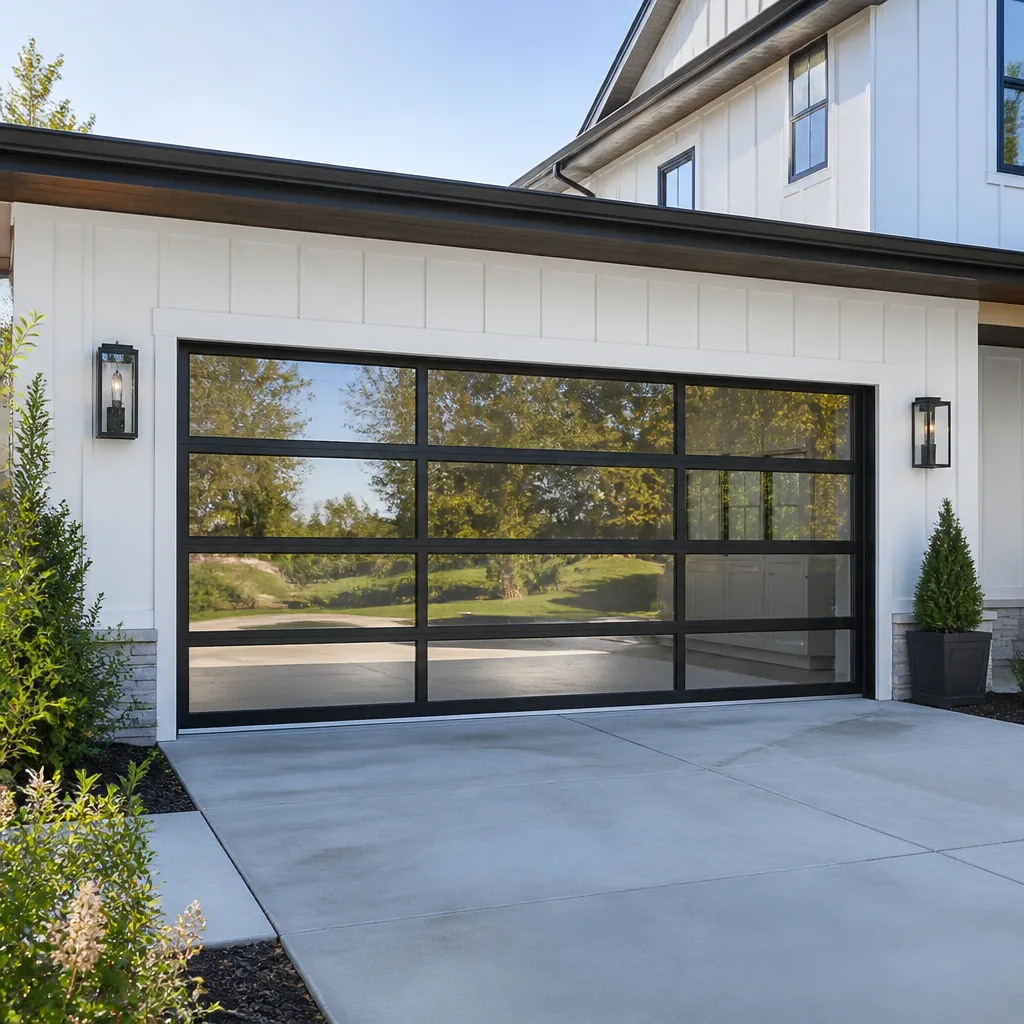 Full-view glass
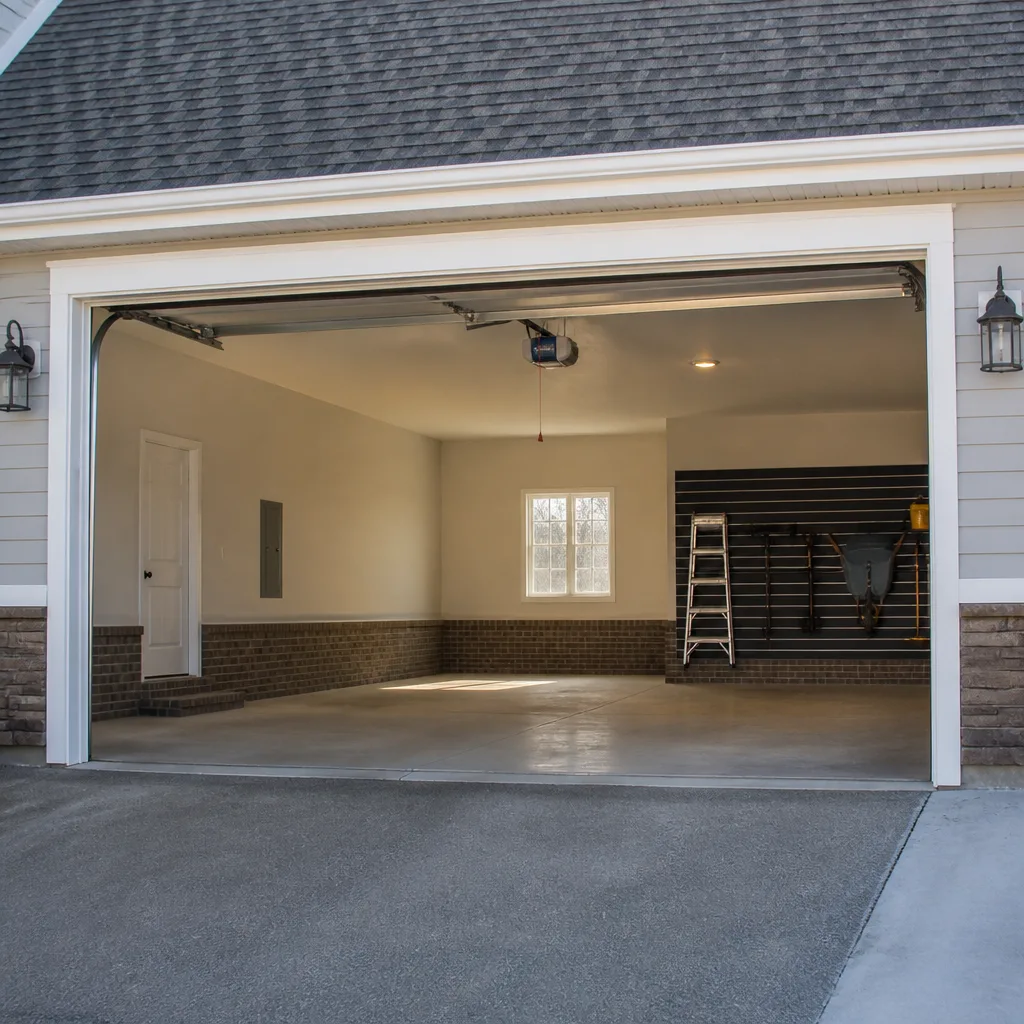 LiftMaster openers
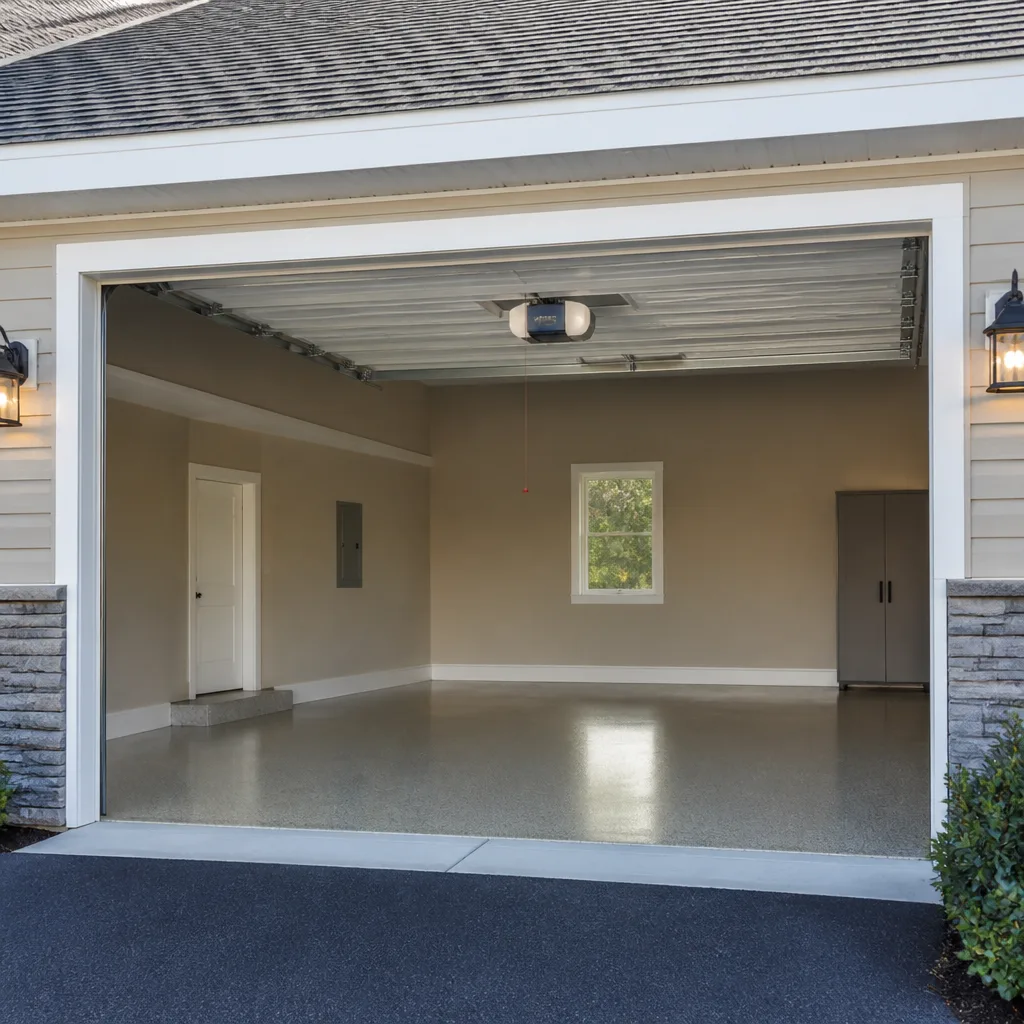 Chamberlain openers
Full 25-point door and opener safety check with every visit - springs, cables, rollers, tracks, and your LiftMaster or Chamberlain opener included
You get a price before we start. It does not change when the pro arrives.
Get your free estimateThe Complete Guide to Garage Doors in Upper West Side
Most garage door guides are written for homeowners with a driveway, a detached garage, and a suburban setback. The Upper West Side isn’t that. Here, a garage door might share a wall with a neighboring building, sit below grade under a stoop, open onto a service alley barely wide enough for a car door, or fall inside a historic district where the wrong panel profile triggers a review. Those conditions change everything about how a door is specified, permitted, installed, and serviced. This guide covers what actually works on Upper West Side blocks: building-type constraints, board approval, noise timing, brand compatibility with pre-war openings, and how to tell when a project needs a DOB permit versus a simple replacement. We’ve spent years working on doors across this neighborhood, and we’ll walk you through what to expect before you commit.
Quick Answer
A garage door project on the Upper West Side hinges less on what door you want and more on what your building allows. Townhouses, converted brownstones, and below-grade private garages each impose different height, clearance, and structural constraints, and most replacement projects in co-ops or condos require board documentation before work begins. Once you’ve confirmed building compatibility, permits, and timing, choosing between brands like Clopay, Amarr, or Wayne Dalton becomes a straightforward decision about fit, insulation, and budget.
Styles & brands we work with
- Raised-panel steel
- Carriage house
- Modern flush
- Full-view glass
- LiftMaster openers
- Chamberlain openers
Table of Contents
- How Building Type Determines Your Door Options
- Co-op and Condo Board Approval: What You Need Before Installation
- Noise and Timing Restrictions on Upper West Side Blocks
- Brand Compatibility With Pre-War and Non-Standard Openings
- DOB Permit or Replacement Exemption: How to Tell
- Spring Systems and Safety in Older Buildings
- Choosing an Opener for Dense Urban Living
- Seasonal Maintenance for Upper West Side Doors
How Building Type Determines Your Door Options
The single biggest factor in a garage door decision on the Upper West Side is the building itself. A townhouse with a curb cut and a private garage bay faces different constraints than a converted brownstone where the garage was carved out of a basement decades ago. A below-grade private garage under a co-op presents a third set of problems: low headroom, tight side clearances, and drainage considerations that no suburban guide anticipates.
Townhouse garages
Larger townhouses along the side streets often have a full-height garage bay with enough headroom for a standard sectional door and a torsion spring system mounted above. These are the most forgiving Upper West Side installations, but the door face usually sits directly on the sidewalk line, which puts a premium on security and panel durability.
Converted brownstone and basement garages
When a brownstone basement was converted to a garage, the rough opening is frequently lower and narrower than today’s standard sizes. A door that fits a modern 7-foot opening may not physically clear a 6-foot-4 rough opening without a custom panel height. We measure the actual opening, not the nominal one, because on Upper West Side conversions those two numbers rarely match.
Below-grade private garages
Garages under co-op buildings and larger townhouses introduce headroom problems. A low-clearance installation may call for a torsion spring mounted on the side rather than above, or a jackshaft opener instead of a ceiling-mounted rail. Choosing the wrong configuration here means a door that clears the opening but can’t fully retract.
Before you price any door, confirm the following:
- Actual clear width and height of the rough opening, not the finished opening
- Headroom above the door in the open position
- Side clearance for tracks and spring hardware
- Whether the door opens inward or outward
- Ceiling and wall structure available for opener mounting
If a building’s framing can’t support a standard setup, don’t assume the project is dead. Some configurations are solvable with the right product and a horizontal track layout that fits the space. That’s where brand-specific knowledge pays off. When we look at a pre-war opening, we know which Clopay and Amarr profiles adapt cleanly and which ones require fabrication. That’s not guesswork, and it’s the reason we focus on one trade. When you need Garage Door Repair Upper West Side, you’re working with specialists, not a generalist outfit adding garage doors to a list of services.
Co-op and Condo Board Approval: What You Need Before Installation
In most Upper West Side co-ops and condos, a garage door replacement is an alteration, not a repair, and alterations require board documentation before work begins. Filing after the fact is the most common way an otherwise simple project turns complicated, so it’s worth understanding the typical paperwork flow up front. The exact requirements vary by building, so always confirm with your managing agent. What follows is the general sequence most UWS buildings expect.
- Submit an alteration request. Most boards want a written request in advance describing the scope of the work. A one-line note is usually not enough; expect to describe what’s being replaced and why.
- Provide product specification sheets. Boards want to see the exact door model, color, and panel profile. This is where brand specificity helps, since a manufacturer spec sheet answers most board questions on the first pass. If your door matches a neighboring building’s profile, mention that.
- Show proof of insurance from your contractor. This is standard. Ask your installer to confirm the documentation before you submit.
- Confirm installation hours with the building. Most buildings restrict installation work to daytime hours on weekdays for noise and access reasons. Get this in writing from your managing agent.
- Address any landmark considerations. If your building is in a historic district, the board may require an additional review or review of the door’s appearance by the Landmarks Preservation Commission. This is separate from the co-op board and can add time.
- Retain the approval in writing. Keep the board’s sign-off in a file. If a future question arises about the door, you’ll want to be able to point to the approval.
In our experience, board review for garage door replacement on the Upper West Side takes anywhere from a couple of weeks to a couple of months, depending on how often the board meets and how complete your submission is. Plan the timeline around a board calendar, not around the door’s delivery date. And if the door is already non-functional, tell the board that first, because most buildings handle genuine safety issues with more urgency than a cosmetic replacement.
Noise and Timing Restrictions on Upper West Side Blocks
Garage door installation generates noise that carries through shared walls, and Upper West Side residential blocks treat that seriously. Most buildings and many blocks have timing windows for any work using power tools or generating impact noise, typically limited to weekday daytime hours. These restrictions affect when an installer can cut track, drill mounting points, and run the door through a full test cycle. Planning around them is part of a normal installation here, not an inconvenience to be worked around.
What that means in practical terms:
- Installation and replacement work is generally scheduled during weekday daytime hours. If a project needs an unusual window, early mornings or Sundays may be available, but confirm with your building first.
- Repair work that doesn’t require cutting or drilling is less constrained, but noisy work like new track installation still follows the same rules.
- Emergency repairs for a door that won’t close or is stuck open are usually treated separately from routine installations by both the building and the contractor. That’s a security issue, and most boards understand the difference.
- If your building shares walls, let neighbors know a few days ahead so a knock on the door isn’t someone’s first clue that a truck is arriving.
We deal with this on every Upper West Side job, and it shapes how we schedule. A quiet, coordinated install on a shared-wall block is a better install, because it means the work isn’t rushed and the test cycles happen when they’re supposed to. If a door is failing and can’t wait for a scheduled window, call us and we’ll talk through what can happen sooner. When the door won’t move, we move fast. The immediate priority is securing the opening and getting garage door repair done correctly, not just quickly. Free estimates mean you can plan the timing before any commitment.
Brand Compatibility With Pre-War and Non-Standard Openings
Pre-war buildings on the Upper West Side were never designed with modern sectional door systems in mind. Openings are frequently undersized, headroom is limited, and the framing behind the opening may be brick, masonry, or a converted timber structure. Brand compatibility matters here because different manufacturers offer different profiles and low-clearance options, and a door that fits perfectly in a suburban installation may not clear the header of a 1920s brownstone garage.
We work on the brand already in your garage, and that matters for compatibility. If you have a Wayne Dalton door, replacing it with a different manufacturer’s door means a fresh set of measurements, new track hardware, and possibly new framing. Staying with the same brand family usually means a cleaner retrofit. The major door systems we work with most often are Clopay, Amarr, Wayne Dalton, and Raynor. Each has options that adapt to tight openings, and each has options that don’t.
Low-clearance and non-standard openings
When headroom is tight, the opener type matters as much as the door. A jackshaft opener mounted to the side of the torsion bar solves a headroom problem that a ceiling-mounted opener can’t. Brand fluency across LiftMaster, Chamberlain, and Genie means we know which opener lines fit which door systems cleanly, and which combinations leave you with a door that opens three-quarters of the way and stops. That’s the kind of diagnostic detail that keeps you from paying twice.
What to bring to the measurement
Any brand recommendation is only as good as the measurements behind it. Before you commit to a door, have the opening measured for:
- Exact clear opening width and height
- Available side clearance for tracks
- Headroom in the fully open position
- Structural attachment points for the torsion bar
- Whether the door mounts inside or outside the opening
Our technicians have up to 12 years of experience reading these openings on Upper West Side buildings, and we’ve seen how a converted brownstone’s “standard” garage bay is often anything but. For a full walkthrough of the replacement process, see our guide to garage door installation. The brand-specific diagnostics we bring to a measure mean the door you order is the door that fits, which saves weeks on a re-order.
DOB Permit or Replacement Exemption: How to Tell
Whether a garage door project needs an NYC Department of Buildings permit depends on the scope of work, and the line between permitted and exempt work isn’t always obvious. A simple door panel swap on existing hardware is often a replacement that doesn’t require a filing. Structural changes, changes to the opening itself, new electrical work for an opener, or a change in the door’s operation often do. If you’re unsure, contact the DOB or your building’s managing agent directly. We can’t give you a definitive answer without knowing your specific scope, but we can help you understand what questions to ask.
What typically triggers a permit review
- Modifying the structural opening or header
- Adding new electrical circuits for an opener
- Changing the door’s operation from manual to automatic, or the reverse
- Structural changes to the walls or framing to accommodate a new door system
What is usually treated as a replacement
- Swapping door panels or sections using existing tracks and hardware
- Replacing worn torsion springs, cables, or rollers
- Replacing an existing opener with a unit of the same type and power source
These are general patterns, not rules, and buildings sometimes impose stricter requirements than the DOB does. A co-op board can require documentation for work the city wouldn’t scrutinize at all. That’s why the sequence matters: confirm with the building first, check the DOB filing question second, and only then order the door. Getting this order right avoids the scenario where a door arrives and the building won’t let it be installed. We’ve seen that happen, and it’s avoidable with a phone call.
Spring Systems and Safety in Older Buildings
Torsion springs are the most mechanically dangerous component on any garage door, and the older doors on Upper West Side buildings carry a higher proportion of tired hardware. When a torsion spring or cable fails, it releases stored energy with enough force to cause serious injury. We treat spring failure as a safety issue, because it is one. We don’t publish step-by-step instructions for spring work, and no responsible guide should. If a spring is broken, the door stays closed until a trained technician handles it.
Signs of spring wear to look for
- A visible gap in the coil, which usually means the spring has snapped
- The door feels unusually heavy when lifted manually
- The door slams down instead of lowering under control
- A loud bang from the garage, followed by a door that won’t open
- Uneven opening, with one side lagging behind
If you see any of these, stop operating the door. A broken spring doesn’t just leave the door heavy; it can let a panel drop unexpectedly, and on a shared-wall building that’s a hazard to whoever’s standing nearby. Spring repair is one of the most technically demanding jobs in this trade, and it’s a dedicated service for us rather than an afterthought. When the spring goes, it’s a garage door opener repair question only if the opener itself is damaged; more often the opener is fine and the spring is the failure. Either way, one call covers it. Call (866) 937-7438 and we’ll diagnose before recommending anything.
Choosing an Opener for Dense Urban Living
On a quiet Upper West Side block, the noisiest part of a garage door isn’t always the door. It’s the opener. A belt-drive unit runs quieter than a chain-drive unit, which matters when the garage shares a wall with a neighboring apartment or sits below a bedroom. For below-grade garages under co-op buildings, opener noise has a way of carrying through the floor above. The right opener choice reduces that. Quiet operation isn’t a luxury here; it’s a practical necessity for living in shared buildings.
Opener configurations by garage type
- Townhouse garages with standard headroom: A ceiling-mounted belt-drive opener is usually the quietest standard option.
- Below-grade and low-clearance garages: A jackshaft opener mounts to the side of the torsion bar and works when ceiling headroom is at a premium.
- Buildings sharing walls with neighbors: Belt-drive units reduce noise of chain systems, and this is where it matters most.
- Garages with limited electrical access: Battery-backup options keep the door operable during an outage, which matters if the garage is the only way in or out.
Brand fluency matters for openers too
An opener that fits the door system poorly is a source of constant frustration. We work with LiftMaster, Chamberlain, Genie, and Craftsman units regularly, and we know which models pair with which door hardware for smooth, quiet travel. That’s the advantage of brand-specific diagnostics. We don’t install whatever’s in the van and hope it works; we match the opener to the door and the building. If your building has an unusual opener setup, the better approach is to have a technician look at it, not guess from a photo. Estimates are free, and we’ll tell you honestly whether a repair or a replacement is the right call.
Seasonal Maintenance for Upper West Side Doors
Winter on the Upper West Side is hard on garage door hardware. Cold temperatures stiffen lubricants, road grit accumulates in tracks, and the freeze-thaw cycle moves the ground under a garage slab enough to throw a door out of alignment. A maintenance routine done twice a year goes a long way. We suggest once before winter sets in and once in spring. The specific work varies by door, but the general checklist below applies to most systems we see.
- Inspect the springs and cables visually. Look for gaps, fraying, or rust. Don’t attempt to adjust anything; note what you see and call a professional if something looks off.
- Lubricate rollers and hinges with a garage-door-specific lubricant. General-purpose oil attracts grit and makes things worse.
- Check track alignment. Tracks should be straight and free of debris. Grit from street slush is a common problem on Upper West Side blocks where the garage sits close to the sidewalk.
- Test the safety reverse. Place a solid object in the door’s path and confirm the door reverses. If it doesn’t, stop using the door and call for service.
- Check the weather seal. A worn bottom seal lets in cold air and moisture, which is worse when the garage is below grade.
- Listen for new sounds. Grinding, squealing, or uneven motion usually points to a specific worn component, and fixing it early is cheaper than replacing it.
We can’t predict a spring failure, but we can catch the wear that leads to one. A maintenance visit doesn’t cost the same as a spring replacement, and it buys you a warning. If your door hasn’t been serviced in a while, that’s the point of a tune-up. We’re available for scheduled maintenance and emergency calls alike, and we’ll tell you honestly whether a repair or a replacement makes sense for your door.
Common Mistakes to Avoid
- Ordering a door before measuring the opening. On Upper West Side conversions, nominal opening sizes are often wrong. Measure the actual clearance and headroom, not the building’s original drawing.
- Starting installation before the board signs off. Filing with the co-op or condo board after the door goes in is the fastest way to be told to remove it. Get the paperwork before the truck arrives.
- Assuming a suburban guide covers a below-grade garage. Low headroom, tight side clearances, and jackshaft opener requirements are all but absent from most general guides. Don’t rely on a checklist written for a detached suburban garage.
- Attempting spring work yourself. Torsion springs and cables store enough energy to cause serious injury. This is the one part of the job that isn’t a do-it-yourself project, no matter how handy you are.
- Replacing the opener when the spring is the problem. A door that opens sluggishly usually has a spring or cable issue, not a motor issue. Diagnose the mechanical side before spending on a new opener.
- Skipping soundproofing on a shared-wall block. A chain-drive opener on a wall shared with a neighbor is a noise complaint waiting to happen. Belt-drive or jackshaft configurations solve it.
- Forgetting to check whether the building is in a historic district. A landmark review can add weeks. Confirm that status before you select a door profile, not after.
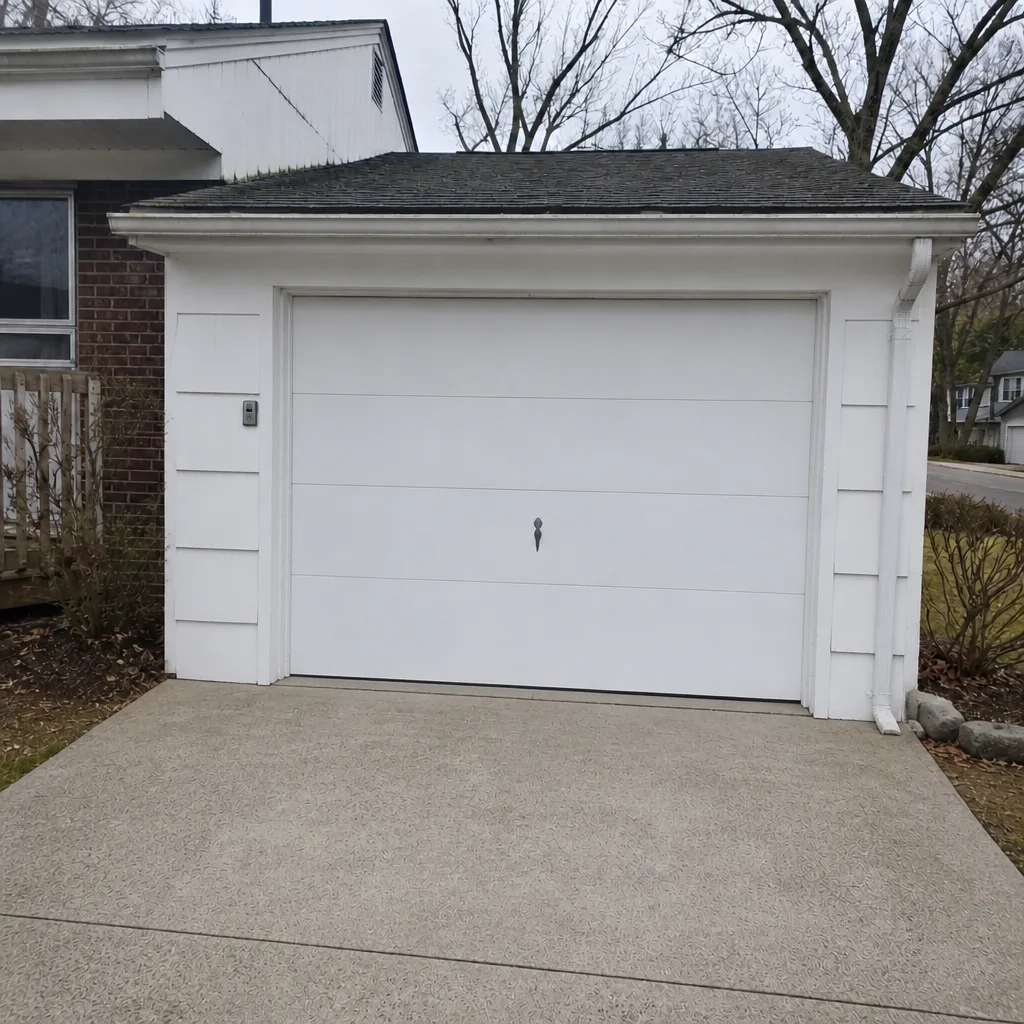
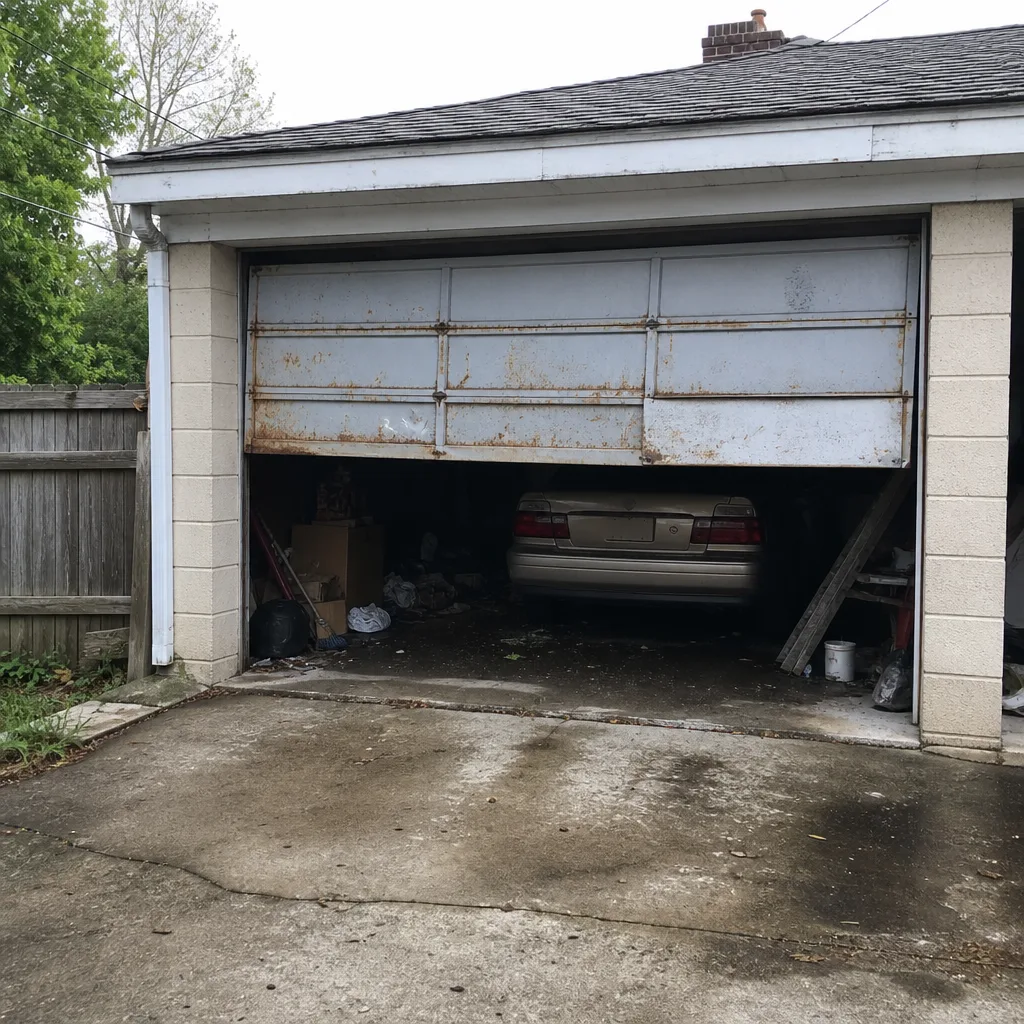
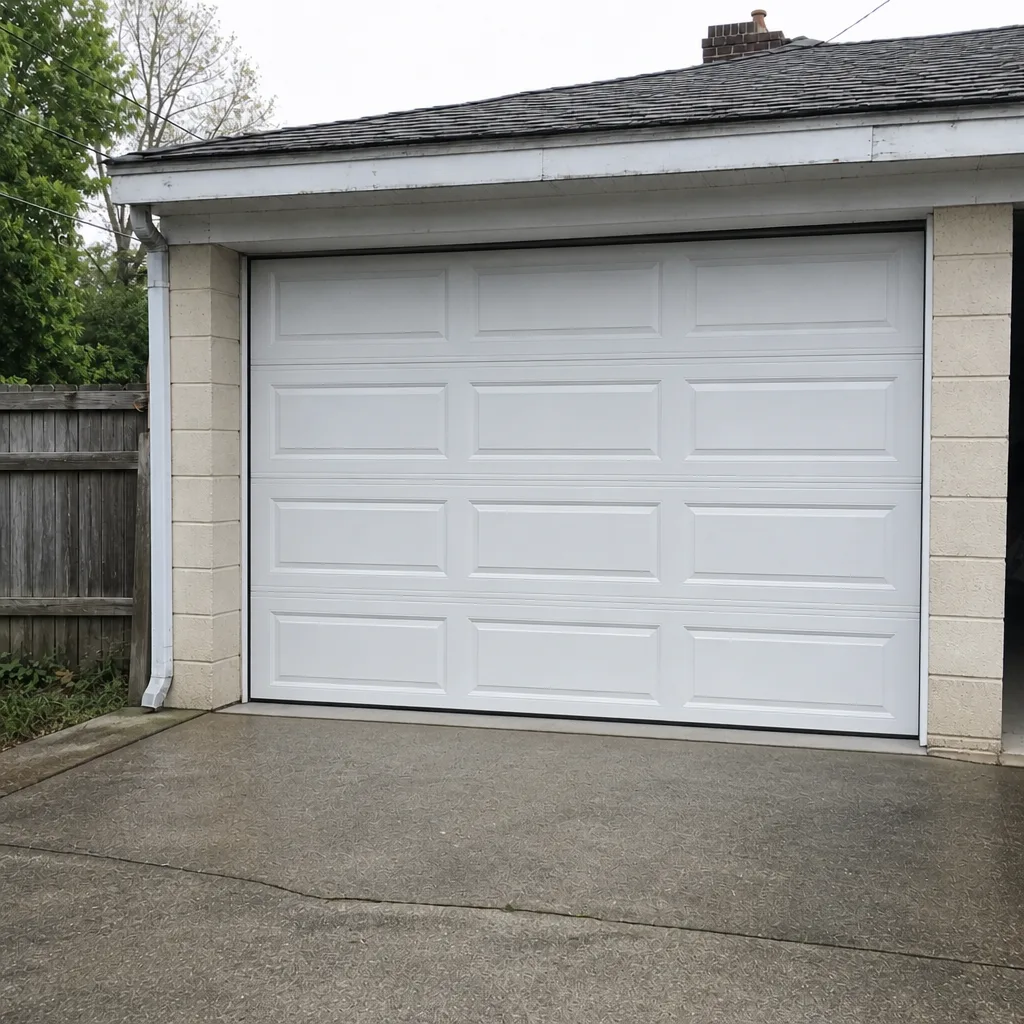
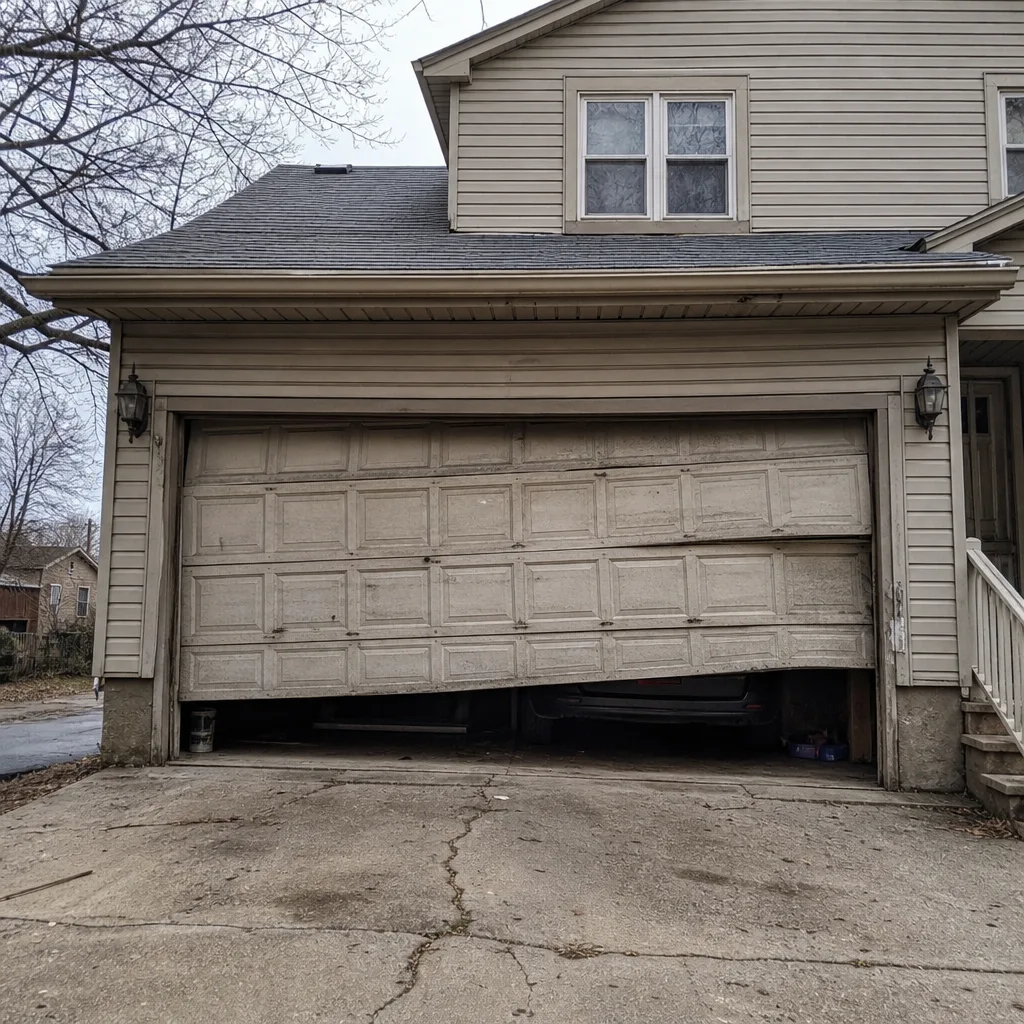
See the difference
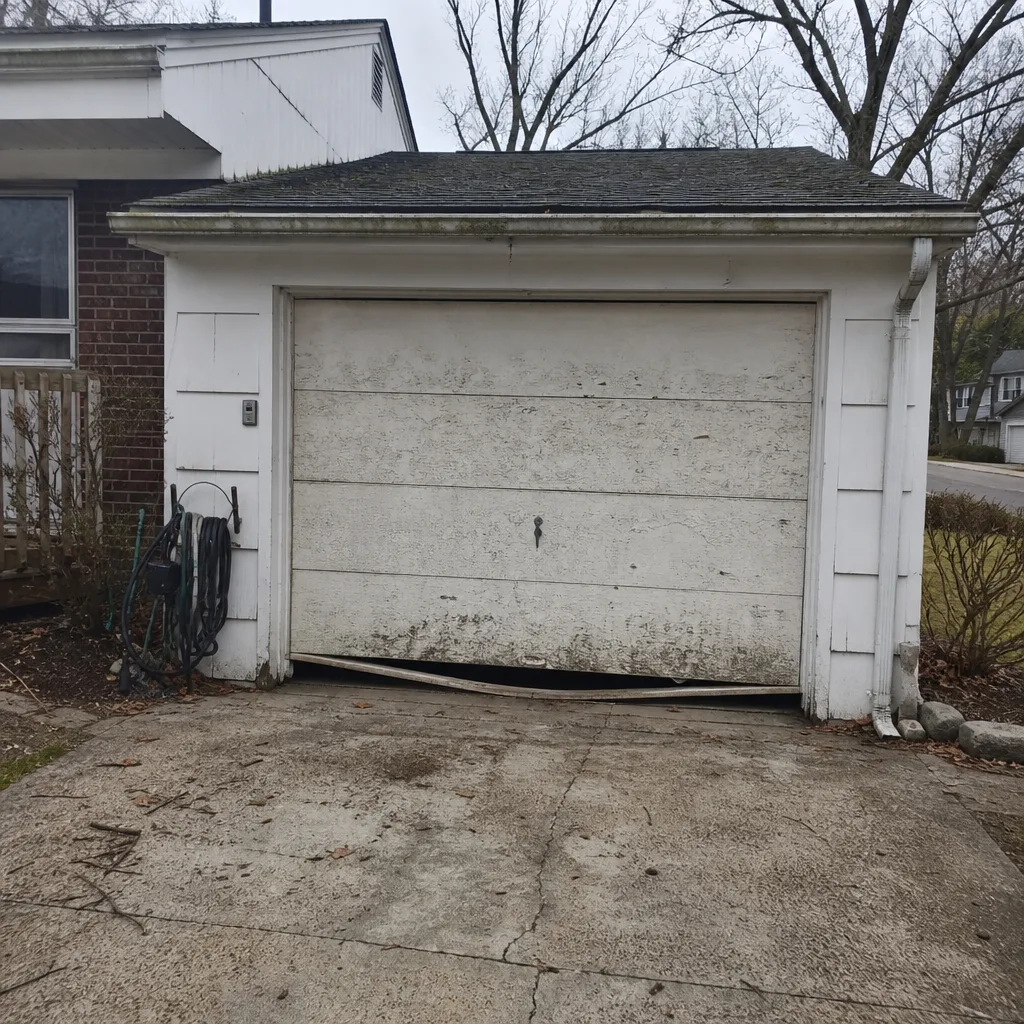 Before
 After
 Before
 After
 Before
 After
When to Call a Professional
Call a professional garage door technician when a spring breaks, when the door won’t close fully, when the opener runs but the door doesn’t move, or when you see frayed cables. Call when the door comes off its tracks or a panel is bent and the opening is no longer secure. Call before ordering a custom door for a non-standard opening, because a measurement error costs more than the measurement. Call when a co-op board asks for product documentation you don’t have. And call if the door is making a new noise on every cycle, since most of those failures are cheaper to fix once than twice. Garage Door Repair Upper West Side offers free estimates in Upper West Side. Call (866) 937-7438 and we’ll tell you what needs doing and what doesn’t.
Frequently Asked Questions
Not always. A panel or section swap on existing hardware is often treated as a replacement that doesn’t require an NYC DOB filing, while changes to the opening, the structure, or the door’s operation often do. Because the line between the two depends on your scope, confirm with the DOB or your building’s managing agent before ordering anything.
Usually, yes. Most Upper West Side co-ops and condos treat a garage door replacement as an alteration and want a written request, the door specification, proof of contractor insurance, and installation-hour confirmation before work starts. The process varies building by building, so start with your managing agent. Call (866) 937-7438 if you need help identifying what documentation your installer should provide.
Often yes, but the door and opener have to match the space rather than the reverse. Below-grade and converted basements typically have low headroom and tight side clearances, which usually means a low-clearance torsion setup and possibly a jackshaft opener instead of a ceiling-mounted unit. We measure the actual opening before recommending a system.
We work with the eight most widely installed brands in residential use: LiftMaster, Chamberlain, Genie, Clopay, Amarr, Wayne Dalton, Craftsman, and Raynor. That covers most of what we find on Upper West Side properties. Brand-specific diagnostics mean we identify the right part the first time instead of guessing.
Yes. Emergency service is a standard offering, not an upsell, for doors that are stuck open, stuck closed, or structurally compromised. If your door won’t close at night or won’t open before work, call (866) 937-7438. For non-emergency repairs and installations, we schedule during weekday daytime hours to align with building and block noise restrictions.
We don’t quote a single price for every door because spring pricing depends on the door’s weight, the spring type, and how much labor the access takes in a tight below-grade or shared-wall garage. What we can promise is that you get a written estimate before any work starts, and the written estimate sets the final price. Call (866) 937-7438 and we’ll come measure and quote for free.
The Bottom Line
Garage doors on the Upper West Side are a different problem from doors anywhere else. Building type, board approval, timing restrictions, and pre-war openings shape every decision, and the wrong order of operations costs weeks. Measure first, confirm with your board, check the permit question, and only then choose the system. Once you’re past those gates, brand compatibility and low-clearance options narrow the field quickly. If a spring fails or the door stops moving, stop operating it and call a professional. We know this neighborhood’s buildings, we work on the equipment that’s already installed, and we quote before we start. Free estimates. Call (866) 937-7438.
Written by the team at Garage Door Repair Upper West Side.