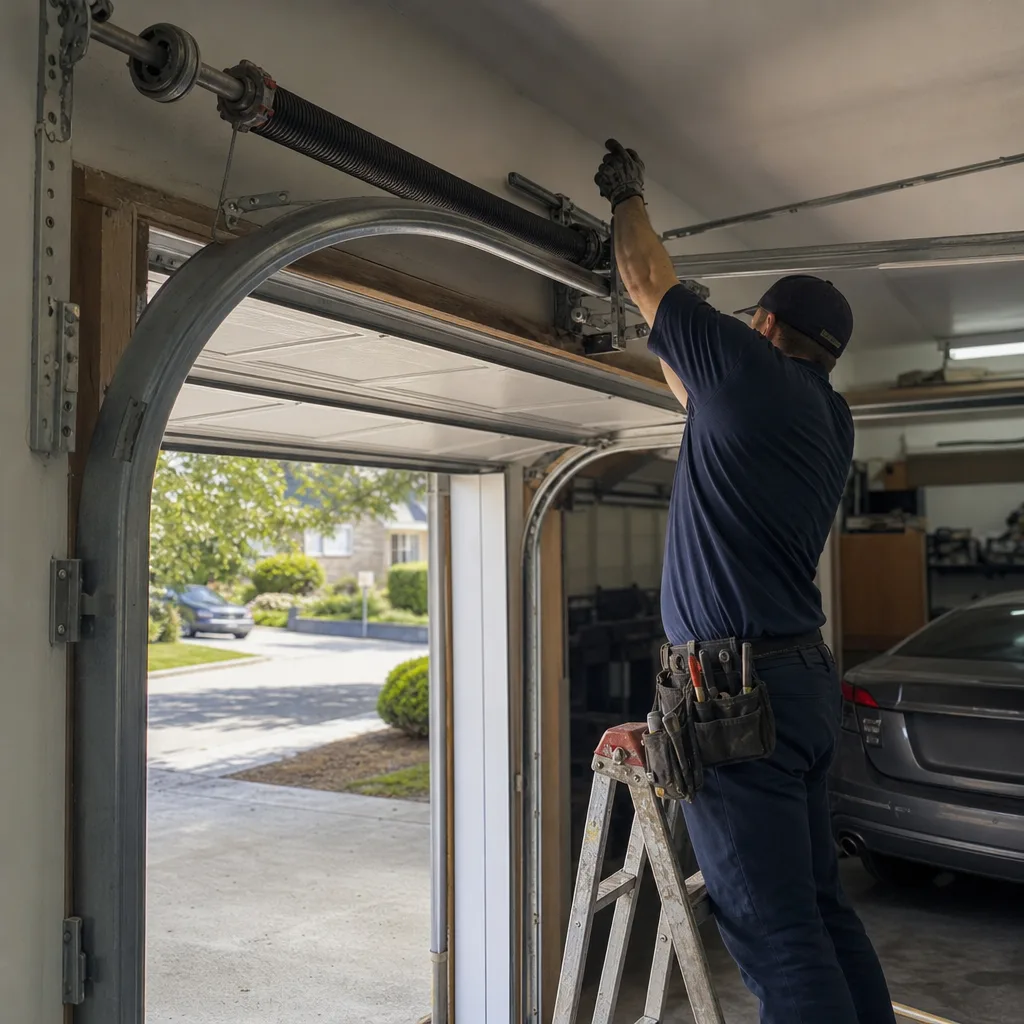
Last updated November 20, 2026
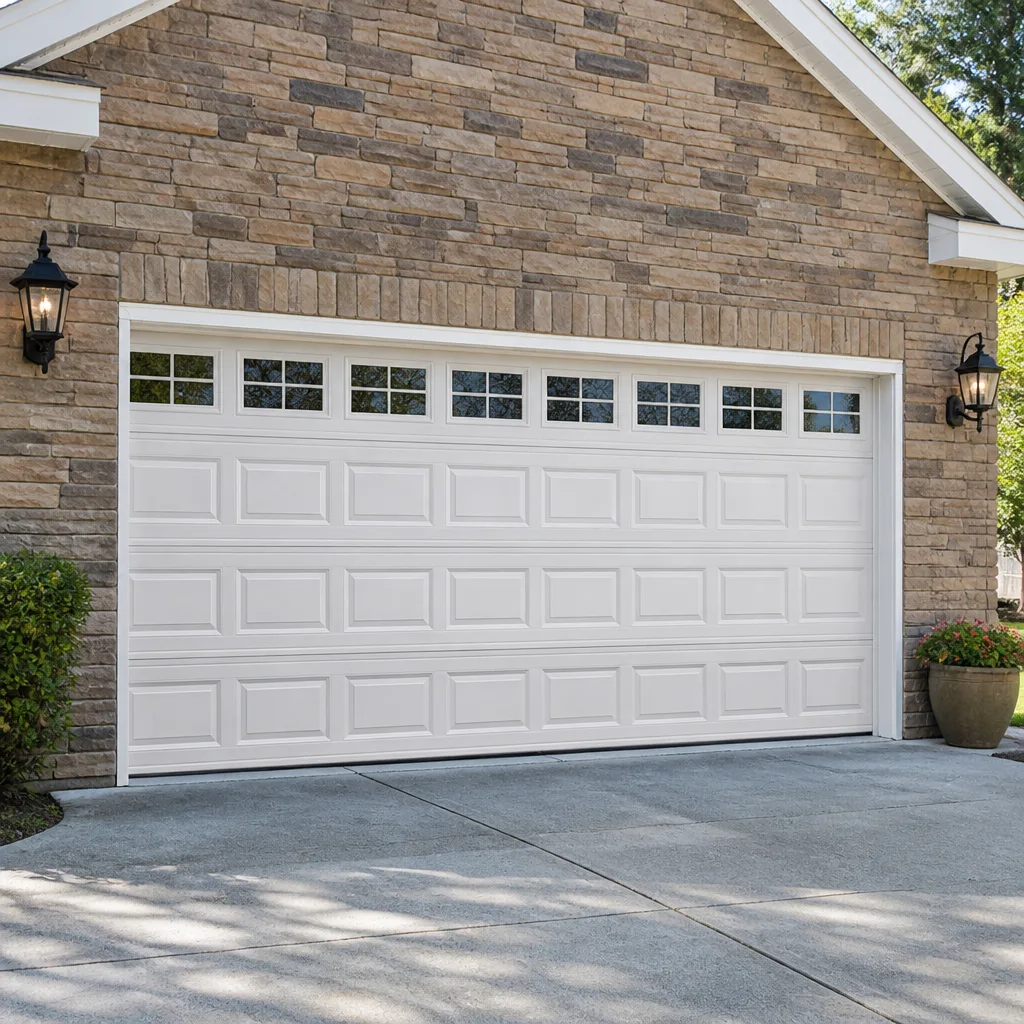 Raised-panel steel
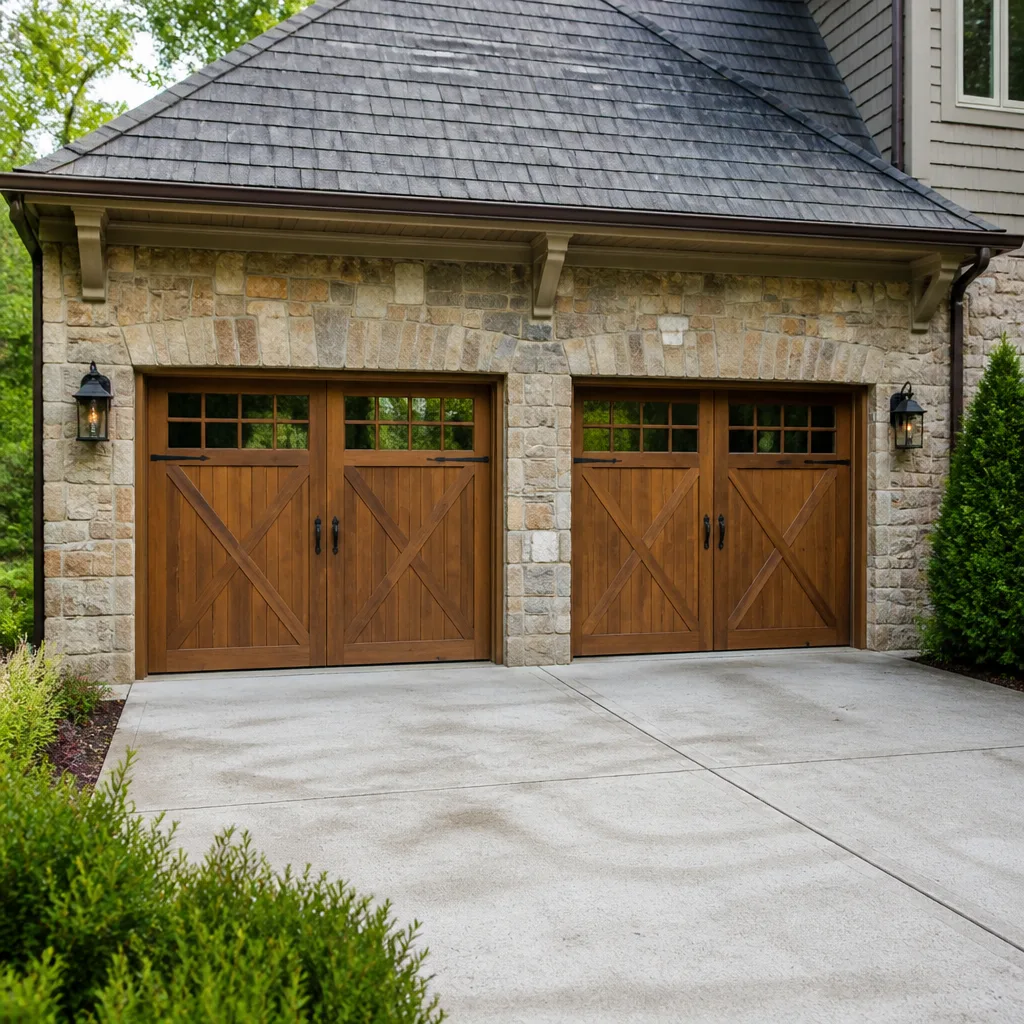 Carriage house
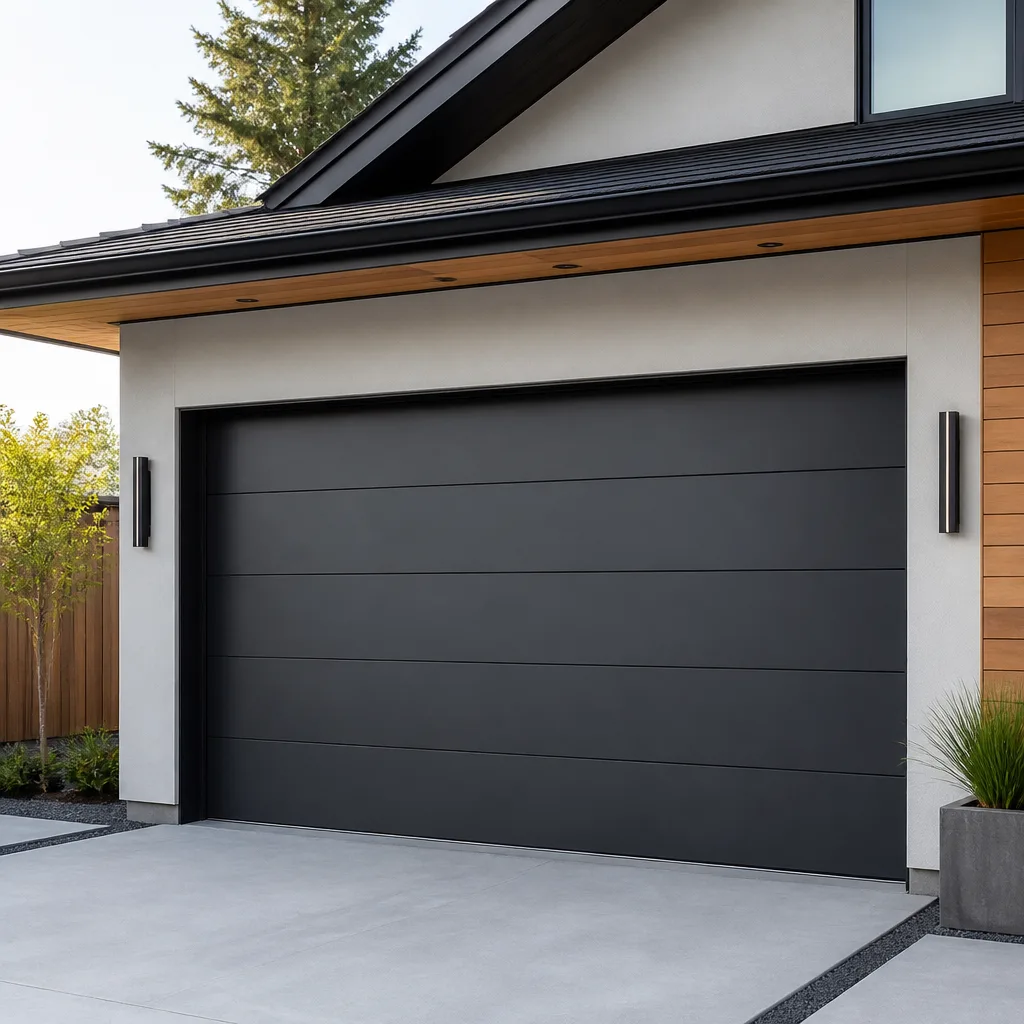 Modern flush
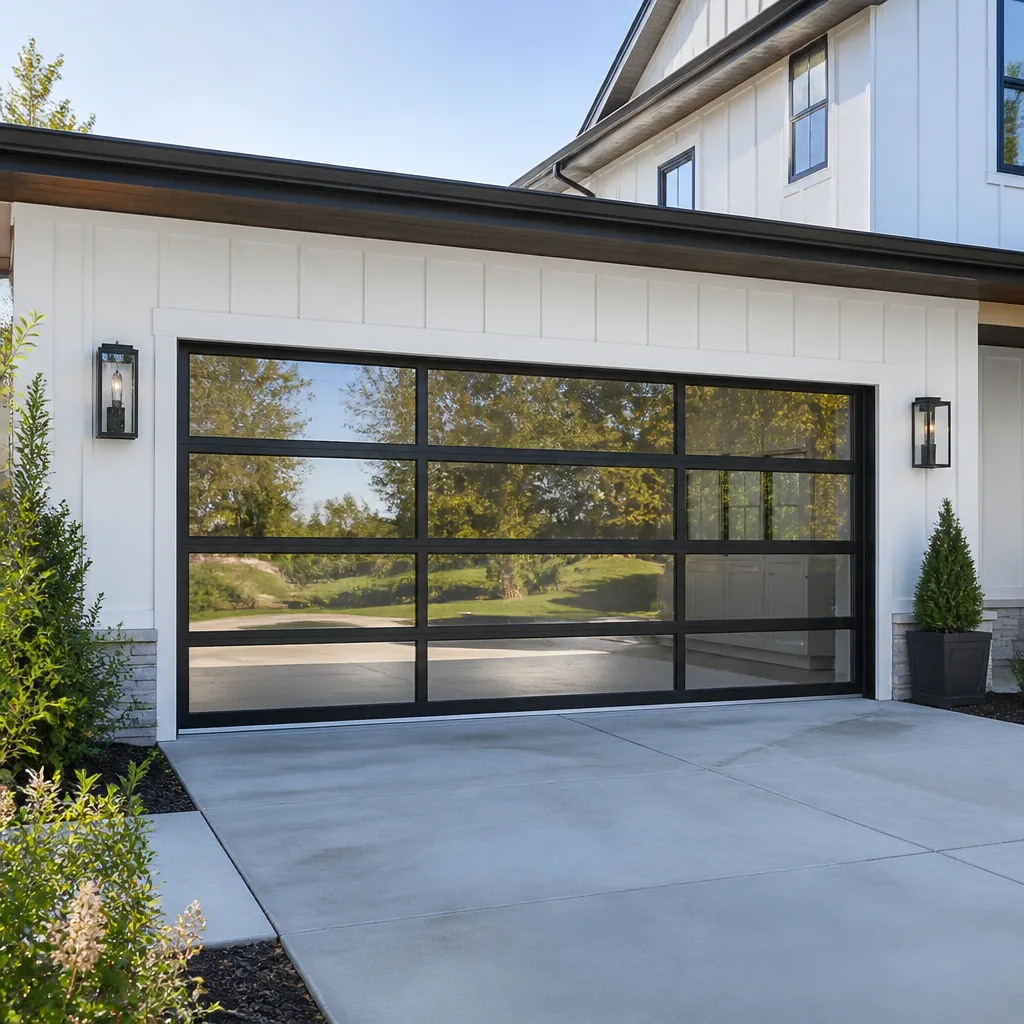 Full-view glass
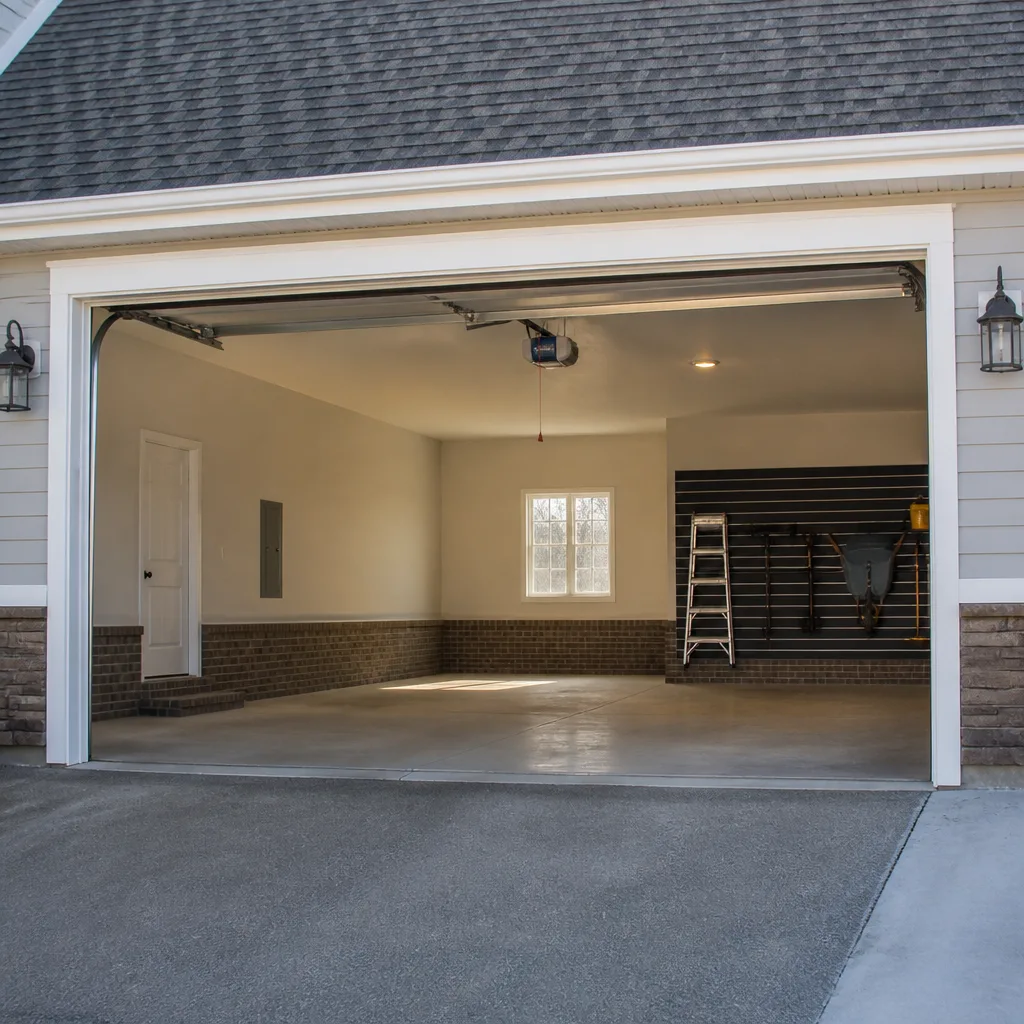 LiftMaster openers
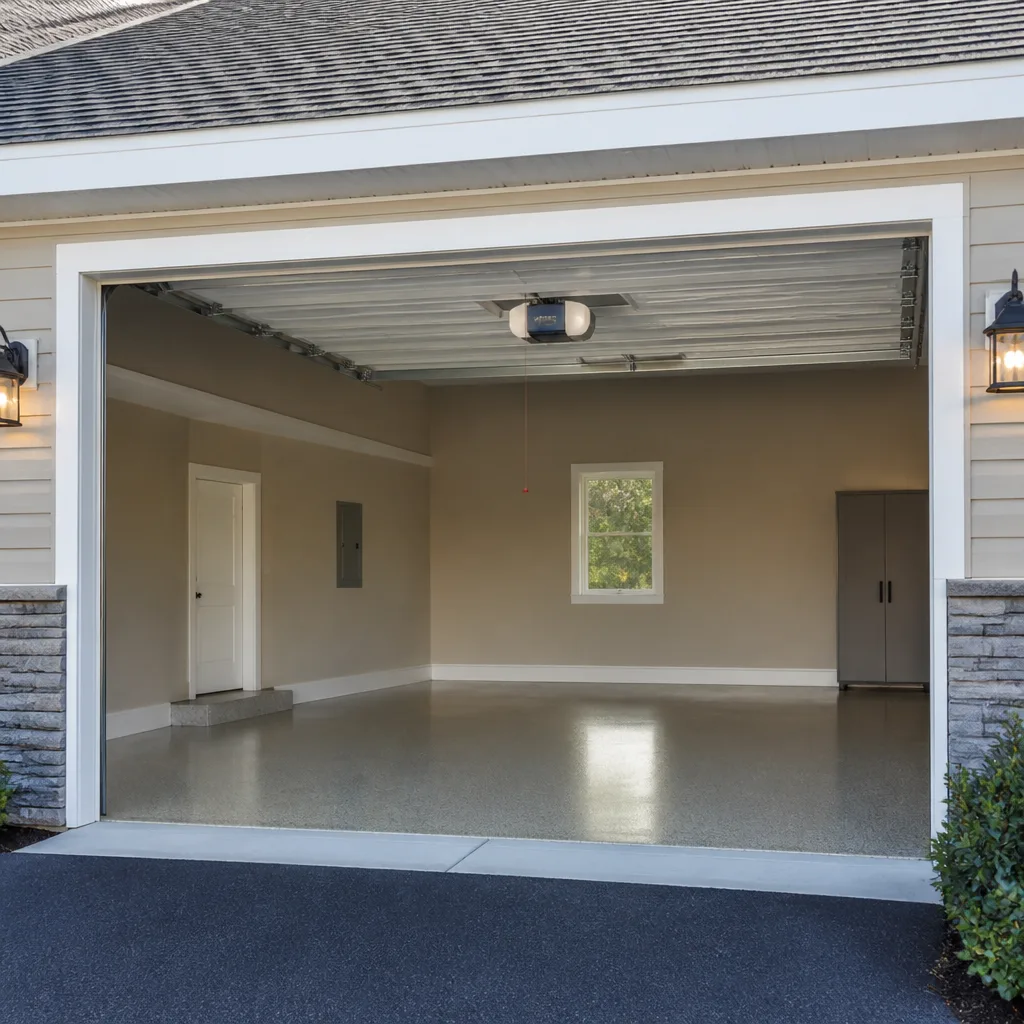 Chamberlain openers
Full 25-point door and opener safety check with every visit - springs, cables, rollers, tracks, and your LiftMaster or Chamberlain opener included
You get a price before we start. It does not change when the pro arrives.
Get your free estimateGarage Door Warning Signs: An Upper West Side Homeowner’s Reference Guide
Most garage door failures send warnings for weeks before they stop the door cold. The catch is that those warnings look different in an urban garage. In a below-grade parking level off Central Park West, a door that hesitates and reverses is often written off as a sensor glitch. More often it’s an early torsion spring wear pattern, and the difference between those two causes decides whether a homeowner has days or months before a full failure. Tight clearances, hard concrete walls that bounce sound back at you, and doors that open twice a day rather than twenty all hide symptoms that would be obvious in a suburban driveway. This guide walks Upper West Side homeowners through the signals worth watching and how to read them correctly.
Quick Answer
The main garage door warning signs are a door that hesitates or reverses without an obstruction, slow or jerky travel, new noises (snapping, grinding, scraping), visible cable fraying or slack, a bottom bracket that has pulled loose from the panel, a sagging top section, and opener error codes that repeat. In an Upper West Side garage, slow travel is the single most misdiagnosed symptom: it’s usually early spring fatigue rather than an opener problem, and a trained technician can separate the two in a few minutes. Any sign involving cables, brackets, or springs is a stop-using-it signal, not a wait-and-see signal.
Styles & brands we work with
- Raised-panel steel
- Carriage house
- Modern flush
- Full-view glass
- LiftMaster openers
- Chamberlain openers
Table of Contents
- Slow or Hesitating Door: Opener Strain or Spring Fatigue?
- Reading Noise Signatures in a Concrete Garage
- Visual Checks on Cables and Bottom Brackets
- Weather Seal and Bottom Seal Deterioration
- Opener Error Codes: LiftMaster and Chamberlain Clues
- Panel, Roller, and Track Warning Signs
- How Upper West Side Conditions Accelerate Wear
- When to Call a Professional
Slow or Hesitating Door: Opener Strain or Spring Fatigue?
A door that moves slower than it used to, pauses halfway up, or reverses for no visible reason is telling you something. The question is what. The two most common causes are opener strain (a tired motor, worn drive gear, or binding track) and spring fatigue (a torsion spring that has lost some of its lift capacity). They can feel nearly identical from the driver’s seat, and the wrong diagnosis leads to replacing an opener when the real problem was a spring, or vice versa.
Here’s the diagnostic sequence we run, in order:
- Disconnect the opener. Pull the emergency release so the door runs on the manual track only. With the opener out of the picture, you’re testing the door itself.
- Lift the door by hand. A properly balanced door should lift with one hand and stay put when you let go at the halfway point. If it feels heavy or drops, the springs have lost tension and the door is unbalanced.
- Check the travel. If the door glides smoothly by hand but hesitates when the opener is reconnected, the problem is in the opener: drive gear, logic board, or a binding trolley.
- Listen for the opener. A motor that hums without moving the chain or belt points to a stripped gear; a motor that clicks and resets points to a logic issue.
In Upper West Side buildings where a garage door is used only a few times a day, spring fatigue shows up gradually. A door that’s just a bit sluggish for a few weeks is easy to ignore. That slow creep is exactly the window where a garage door spring repair visit catches the problem before the spring snaps. A snapped spring is not a slow symptom – it’s a sudden, loud one, and it leaves the door immovable.
Reading Noise Signatures in a Concrete Garage
Every garage amplifies sound, but an urban concrete garage distorts it. Hard walls reflect noise back at the listener, so a failing cable can mimic a roller squeak and a worn bearing can sound like a grinding track. This is why noise diagnosis in an Upper West Side garage takes more care than in a drywall-lined suburban garage: what you hear is a reflection as much as the source. The trick is to walk the door while it runs, with a hand on the rail, and note where the sound originates.
- Sharp snap or bang, once, then a door that won’t lift: a torsion spring has failed. Stop using the door and call.
- Repeated popping or clicking as the door moves: a cable is slipping in the drum or a roller has lost its bearing.
- Continuous grinding: worn rollers, a dry torsion shaft bearing, or a track that has shifted out of alignment.
- Rattling or slapping on the panels: loose hinges, backed-out bolts, or a panel that has begun to separate from the section above it.
- High-pitched squeal: a dry hinge or roller pin. Usually the easiest and cheapest symptom to resolve.
One habit helps more than any other: listen once with the door running on its own, then a second time standing at the bottom of the door with a hand on the bottom bracket (with the door at rest). You’ll hear the difference between a noise coming from the torsion assembly at the top and a noise coming from the rollers or rollers-track interface. In Upper West Side garages, the torsion assembly is often mounted above a low clearance, so sound bounces off the ceiling before it reaches you – which makes it sound like it’s coming from above the door when the real source is a lower hinge. If you can’t localize the sound, it’s a sign to let a technician with the tools to test it do the localization.
Visual Checks on Cables and Bottom Brackets
Two components give you the clearest two-to-four-week warning window: the lift cables and the bottom brackets. Both are worth a visual inspection every month or so, and both are visible without tools. What you’re looking for isn’t dramatic – it’s small.
Cable checks
- Fraying or a “birdcage” of loose strands near the drum or the bottom bracket.
- Slack in a cable that used to run tight.
- Cable sitting unevenly on the drum (a sign of a drum wearing out or a cable that has slipped a wrap).
- Any rust pitting on the cable itself, which is more common on doors near a humid below-grade level.
Bottom bracket checks
- Visible gap between the bracket and the bottom panel where there used to be none.
- Bracket bolts that have backed out or show a bright ring of fresh movement.
- Rust streaks radiating from the bracket fasteners (a sign of moisture sitting behind the bracket).
- A bottom bracket that moves when you push lightly on it with the door fully open – do not push hard, and do not stick fingers in or around it.
We need to be direct here: the bottom bracket is under extreme tension from the cable, and a cable that snaps while your hand is near it can cause serious injury. Do not loosen, tighten, or test the bracket yourself. If you see signs of movement or separation, treat the door as unsafe to operate and call for service. Our technicians have up to 12 years of experience and know how to release that tension safely.
Weather Seal and Bottom Seal Deterioration
In a covered urban garage, seal failure doesn’t announce itself with a puddle in the middle of the floor. It happens quietly – the seal thins, cracks, or compresses, and the first evidence is a stain on the concrete or a draft you notice months later. That lag between seal failure and visible damage is why we recommend a seal check each season rather than waiting for water to show up.
What to look for:
- A bottom seal that has flattened and no longer touches the floor when the door closes.
- Cracks or tears at the seal’s edges, especially near the center where the door flexes most.
- A gap visible under the door when a light is on inside and the garage is dark.
- Brittle or stiff side and top seals that no longer flex when the door moves.
- Water stains on the inside of the door panel, or rust beginning at the bottom edge.
In Upper West Side buildings with older concrete slabs, a failing bottom seal lets in water that freezes on the apron in cold months and expands the slab crack. That expansion can throw the door’s track out of alignment – which then shows up as a slow or dragging door, and gets misdiagnosed as an opener problem. A $30 seal replacement beats a track realignment every time.
Opener Error Codes: LiftMaster and Chamberlain Clues
LiftMaster and Chamberlain openers (they’re built on a shared platform, so their error logic overlaps) tell you a lot through their indicator lights and code sequences. Learning to read them lets you distinguish a drive gear problem from a logic board problem before the door stops. The behavior is diagnostic in itself:
- Up arrow flashing, door won’t close: safety sensor interruption – usually an obstruction, misalignment, or sun glare on the sensor lens. In a dim Upper West Side garage, glare is rare; misalignment after a bump is common.
- Down arrow flashing, door won’t close after a reverse: the opener thinks the door hit something. Could be a stiff track, a worn roller, or a sensor that needs replacing.
- Repeated clicking and no movement: drive gear stripped, or the logic board is resetting under load. A technician will listen for whether the motor runs and the chain stays still – a stripped gear signal.
- Light flickering or random cycling without a command: logic board degradation, often aggravated by a failing wall control or a remote that’s misbehaving.
- Long beep or continuous light after a close: a travel limit setting that has drifted, which can indicate the door is no longer running at its original balance.
For Genie and Craftsman units, the same categories apply, though the indicator patterns differ. If you’re seeing repeated error codes on a garage door opener repair call, note which code pattern you saw – it shortens the diagnostic time. We work on the brand already in your garage. No replacements pushed unnecessarily.
Panel, Roller, and Track Warning Signs
Panels, rollers, and tracks give warnings more slowly than springs and cables, but they give them. The most common signals:
- Rollers with flat spots that make the door bump slightly at the same point on every cycle.
- A door that pulls to one side as it opens – a sign of unequal tension or a bent track.
- A visible gap between two panels, or a hinge that has pulled away from the panel.
- A top panel that sags – often a sign of a bent top bracket or a torsion assembly that has lost balance.
- Fresh rust or paint peeling at the bottom edge of the door, indicating the seal has been failing for a while.
In an Upper West Side garage where the door is behind a building wall and rarely inspected from the inside, panel separation and roller flat spots often go unnoticed for months. That’s why we tell homeowners to walk the door once a season with a light. You’re looking for change, not perfection.
When the door itself has reached the end of its useful life, panel replacement and full replacement both come up. If you’re considering a new door, the sequence is different – measure, order, schedule. That’s a different conversation from repair, and you can see what that looks like at garage door installation.
How Upper West Side Conditions Accelerate Wear
The Upper West Side climate puts a specific kind of stress on garage doors. Cold winters and hot, humid summers expand and contract metal panels and torsion springs more than a mild-climate garage. The result is more cycles of metal fatigue in springs and more seasonal movement at panel seams. Doors that sit in a below-grade level face extra humidity, and doors that open onto a courtyard face freeze-thaw at the bottom seal.
Two other local factors matter:
- Gentle slope and grade: many Upper West Side garages are below street level, and water finds its way down. A failing bottom seal lets water into the door apron, and freeze-thaw then widens the slab crack and forces the track out of alignment.
- Usage pattern: a door used a few times a day accumulates wear evenly across the torsion spring – which means spring failure can arrive sooner than the calendar suggests. Spring cycle ratings are the useful metric, not the door’s age. A technician can check the spring’s coil condition and tell you roughly how much useful life is left.
Upper West Side homeowners regularly ask us how to reconcile a door’s age with its spring’s remaining life. The answer is that the spring’s life is a function of cycles and load, not years. A door on the Upper West Side that opens and closes four times a day uses a spring at a very different rate than one in a household that opens it twice. If your door is on a slow, regular cycle, the spring is probably the first component to fail, not the opener.
Common Mistakes to Avoid
- Assuming an opener problem when the door itself is the issue. The most common Upper West Side misdiagnosis is a slow door treated as an opener fault. Always test the door manually before deciding the motor is at fault.
- Winding or adjusting springs yourself. Torsion springs are under extreme tension. This is the one part of a garage door that should never be a DIY job, and it’s the reason we offer spring repair as a dedicated service.
- Ignoring a single snap or pop. A spring that has partially broken can still let the door open once or twice before failing fully. Stop using the door and call.
- Replacing the whole opener when the drive gear is the problem. On LiftMaster and Chamberlain units, a stripped drive gear is a repair, not a replacement, unless the unit is past its useful life for other reasons.
- Skipping seal checks in a covered garage. Because you don’t see the puddle, you don’t see the failure. Check the bottom seal every season.
- Pushing or holding a door that reverses on its own. A door that reverses on contact means the safety reverse is doing its job. Forcing it up is a sign to stop and diagnose, not to power through.
- Assuming the door needs replacing when a panel or seal is the problem. A single panel, a bottom bracket, or a seal is often all that’s needed. We tell homeowners when a repair is the right move and when it isn’t.
When to Call a Professional
Call a professional the moment you see any of these: a door that has stopped mid-travel, a snapped or slack spring, a frayed or slack cable, a bottom bracket that has moved, or a door that reverses for no reason and can’t be closed safely. When the door won’t move, we move fast – and our emergency service covers a door stuck open, stuck closed, or structurally compromised. If you’re on the Upper West Side and want a trained eye to look at a subtle symptom – hesitation, a new noise, an error code you can’t place – a diagnostic visit is the fastest way to know what’s wearing and how soon it matters. We work on the brand already in your garage, from LiftMaster and Chamberlain to Genie and Craftsman, and on door systems from Clopay, Amarr, Wayne Dalton, and Raynor, so a technician arrives with the right diagnostic sequence the first time. Garage Door Repair Upper West Side offers free estimates in Upper West Side – call (866) 937-7438.
See the difference
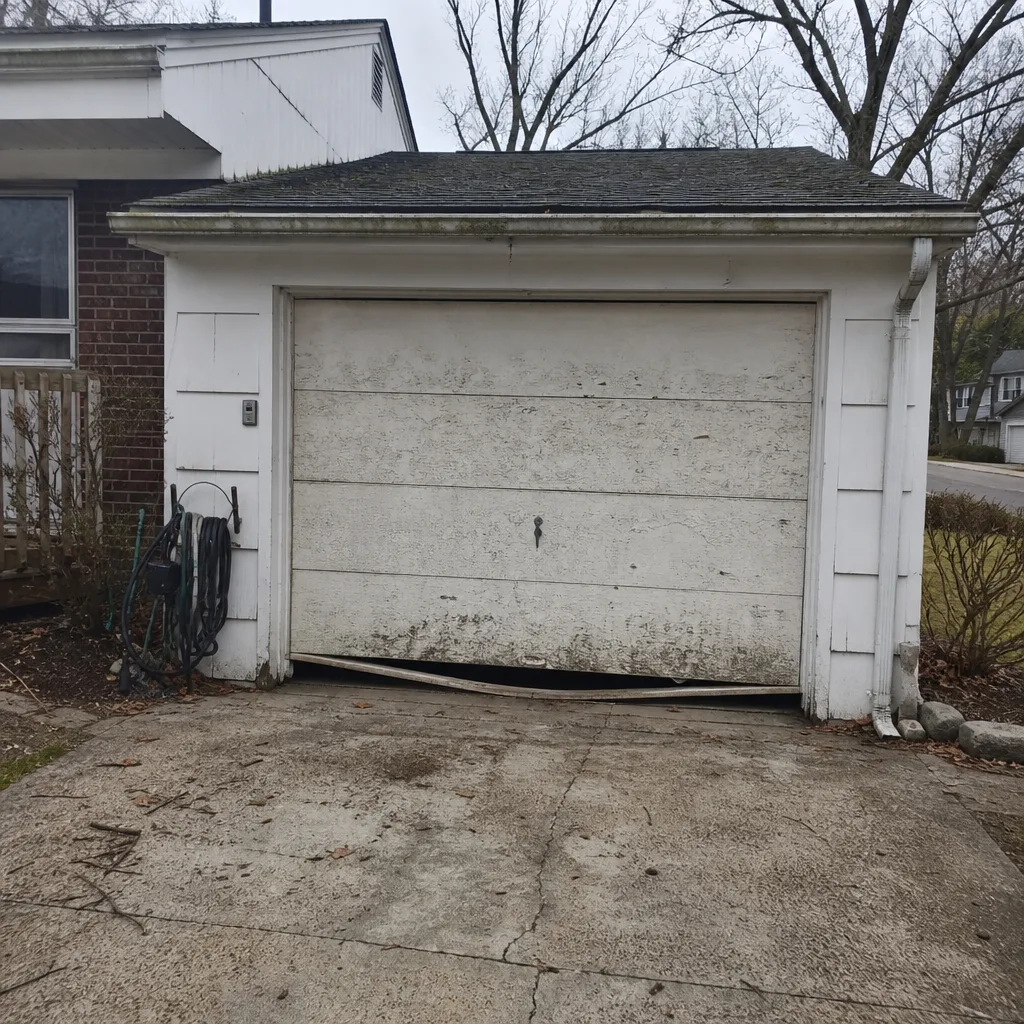 Before
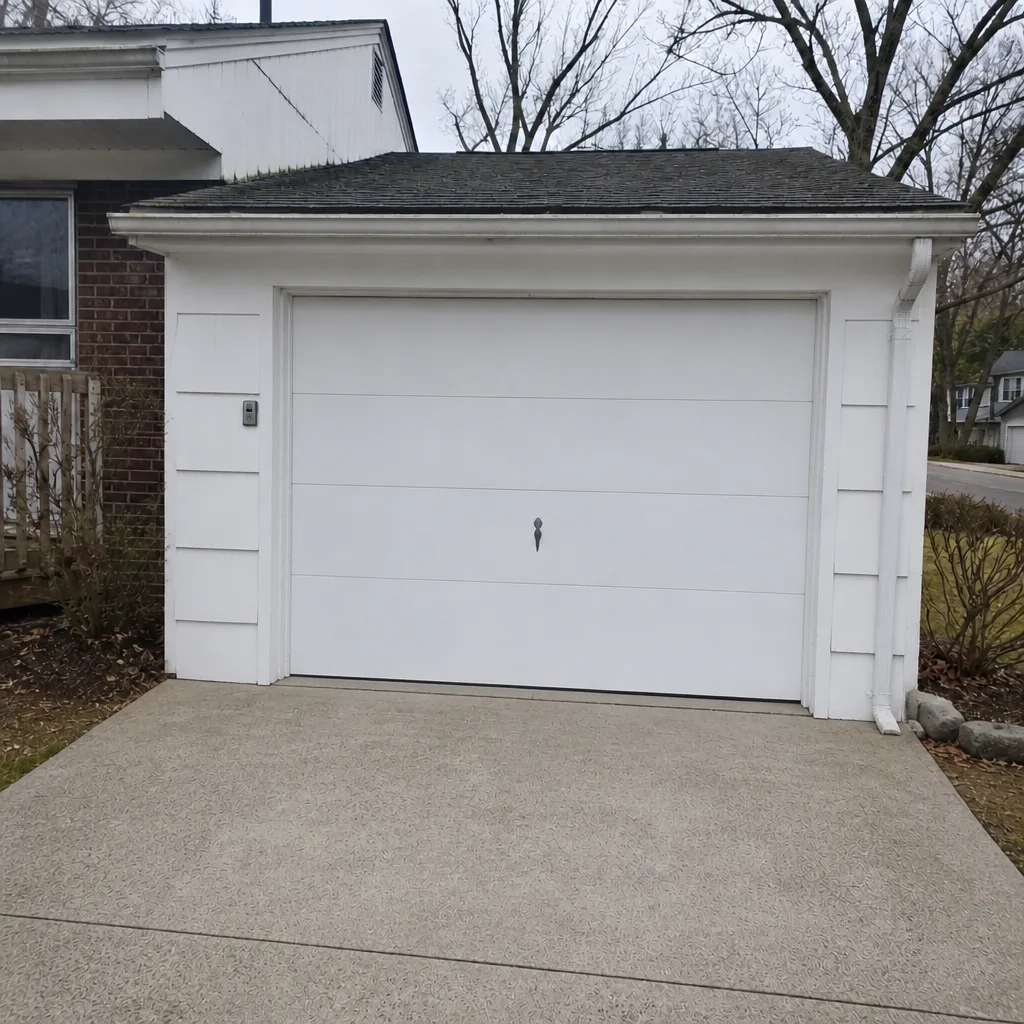 After
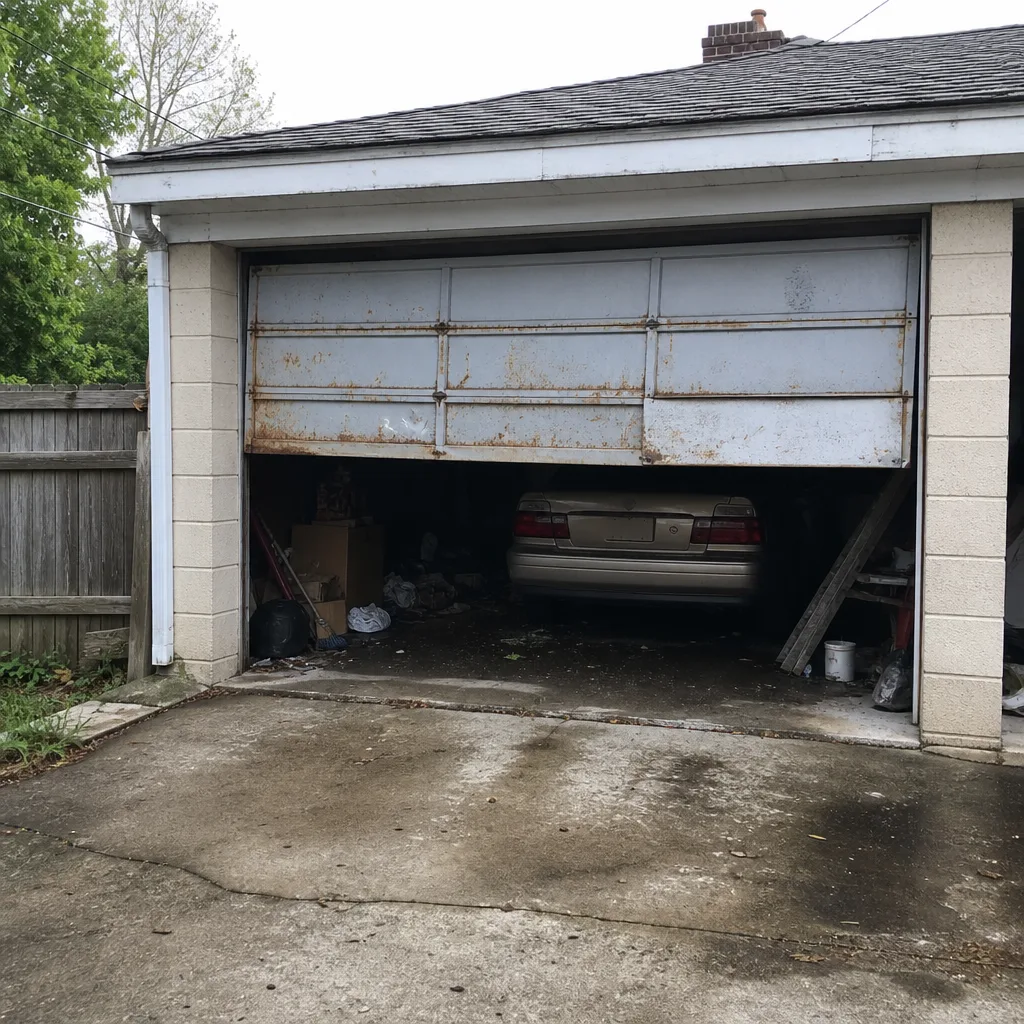 Before
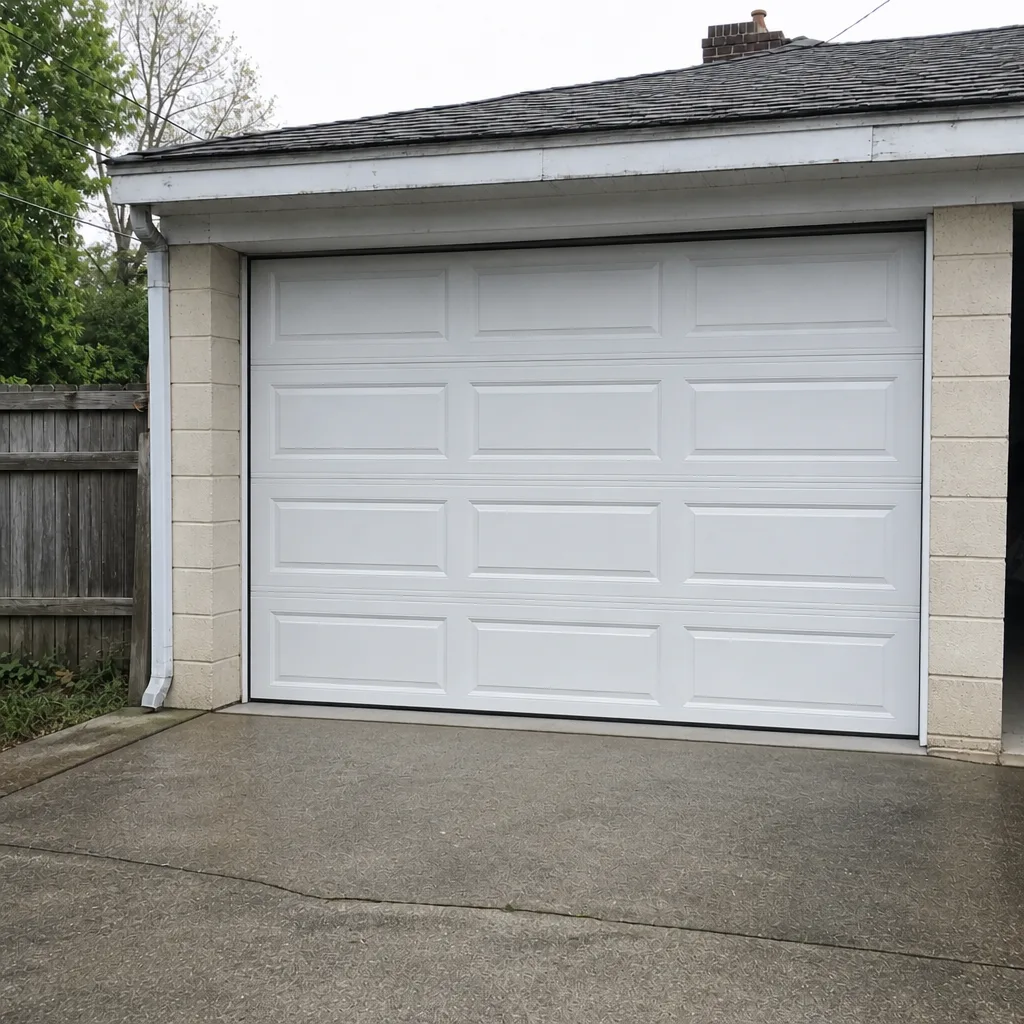 After
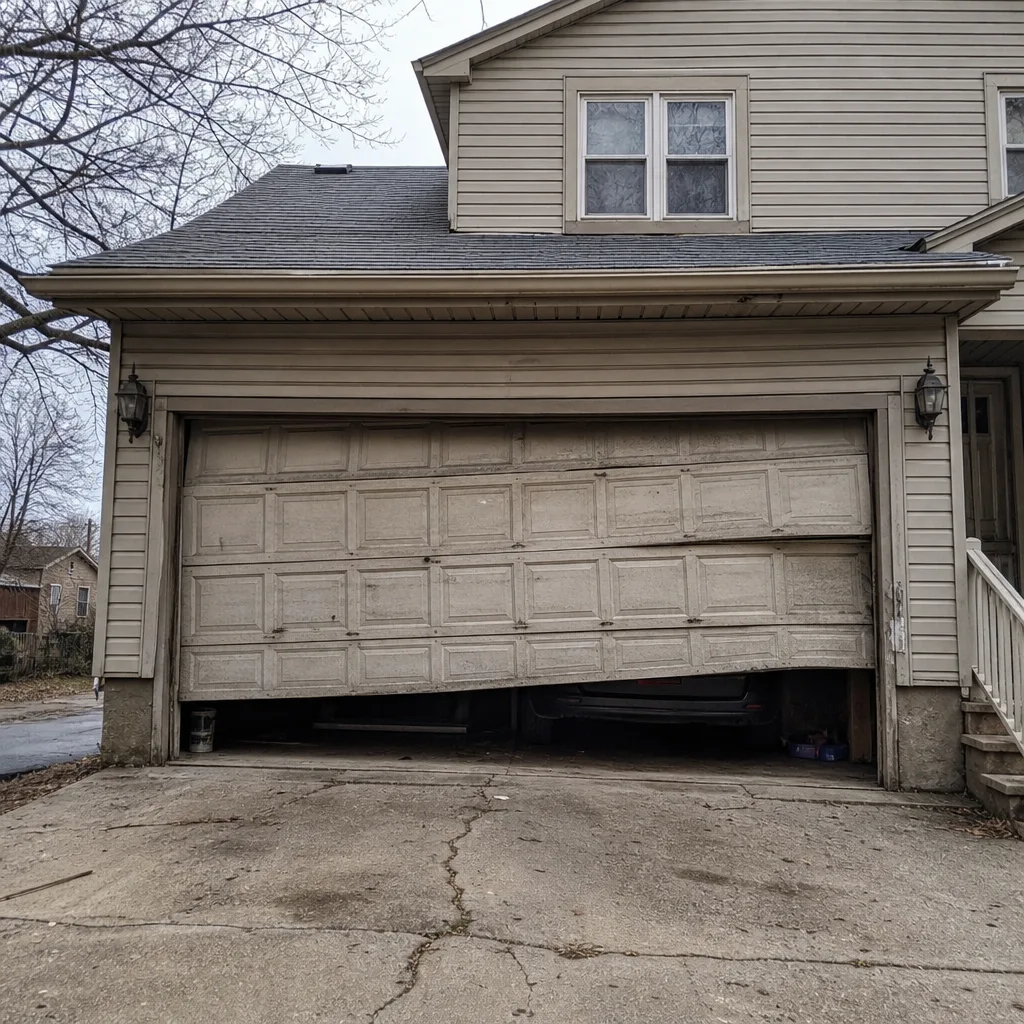 Before
 After
Frequently Asked Questions
Test the door with the opener disconnected and lifted by hand. If it’s heavy or drops on release, the springs have lost balance; if it glides smoothly by hand but hesitates with the opener, the problem is in the opener. In our experience, slow travel on the Upper West Side is usually early spring fatigue rather than a failing motor.
A snapped spring, a slack or frayed cable, a bottom bracket that has moved, or a door that reverses and won’t close safely all mean stop. These are tension-carrying components, and operating the door can turn a repair into a safety incident.
No. Torsion springs are under extreme tension, and winding or releasing them is one of the most dangerous jobs in the trade. We treat spring failure as a safety issue, and we recommend that even a slight suspicion of spring wear get a professional check.
An up-arrow flash usually points to a safety sensor issue; a down-arrow flash points to a reversal or obstruction; repeated clicking with no movement often points to a stripped drive gear or logic board issue. Note the code pattern and call – knowing the pattern shortens the diagnostic.
Yes. A covered or below-grade garage rarely shows a visible puddle, so a failing bottom seal is often first seen as a stain, a draft, or rust at the bottom panel. Seasonal seal checks catch it before water damage and track misalignment start.
Look for fraying or a birdcage pattern in the cable, slack where there used to be tension, and a bracket that has separated from the panel or shows backing-out bolts. Do not loosen or test the bracket yourself – call for service.
We can often respond the same day for repair and emergency situations, and we schedule confirmed appointments around your day. When the door won’t move, we move fast. Call (866) 937-7438 for an exact quote – estimates are free.
The written estimate sets the final price, and it’s agreed before any work starts. If we find something the initial diagnostic didn’t catch, we’ll walk you through it before we touch the door.
The Bottom Line
Garage door failures give warning, but in an Upper West Side garage those warnings don’t look like textbook symptoms. The hesitations are dismissed as sensor quirks, the noise signatures bounce off concrete walls, and the seal failures stay hidden behind a covered apron until water damage has already started. If you remember one thing from this guide, let it be this: test the door manually before assuming the opener is at fault, and treat any cable, bracket, or spring sign as a stop-and-call signal. A door that switches abruptly from slow to broken gives you no time to plan. Call (866) 937-7438 for a free estimate – one call covers repair, installation, opener repair, spring repair, and emergency service.
Written by the team at Garage Door Repair Upper West Side.