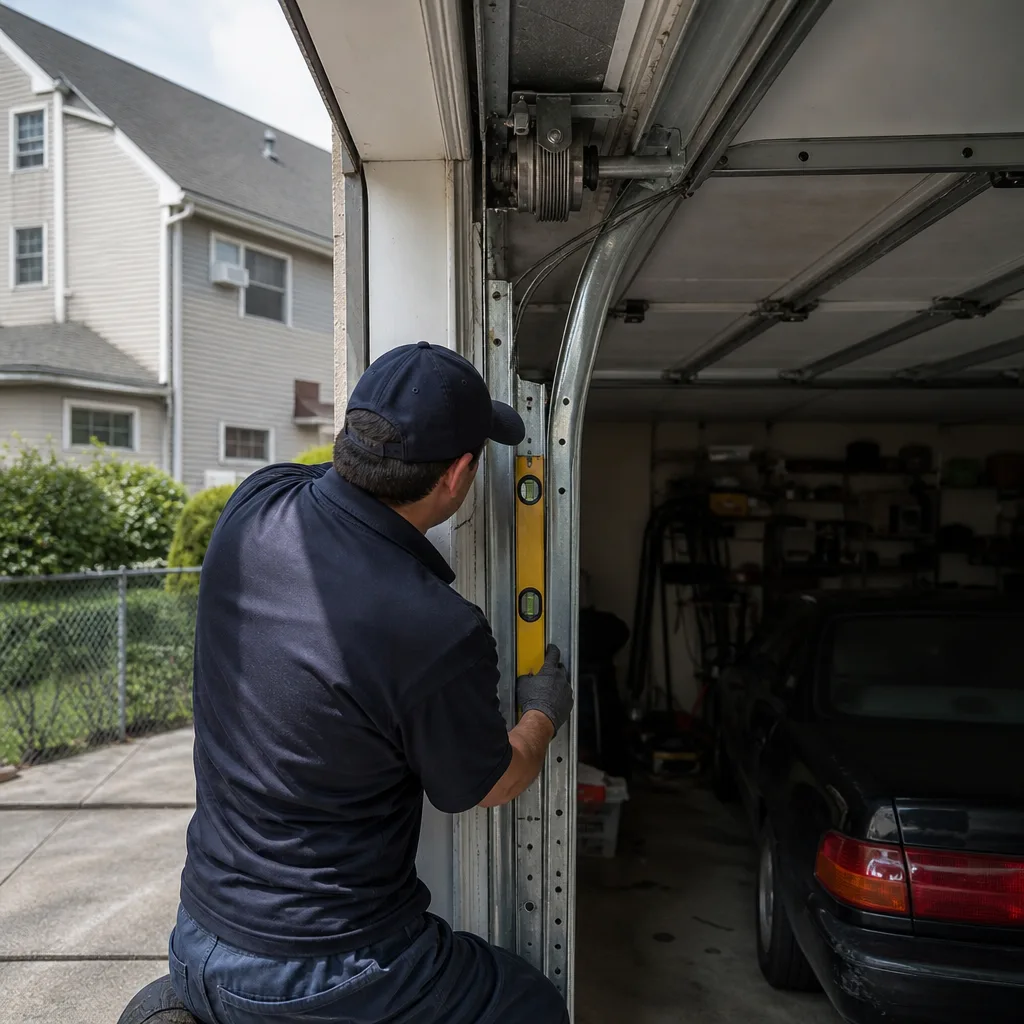
Last updated November 20, 2026
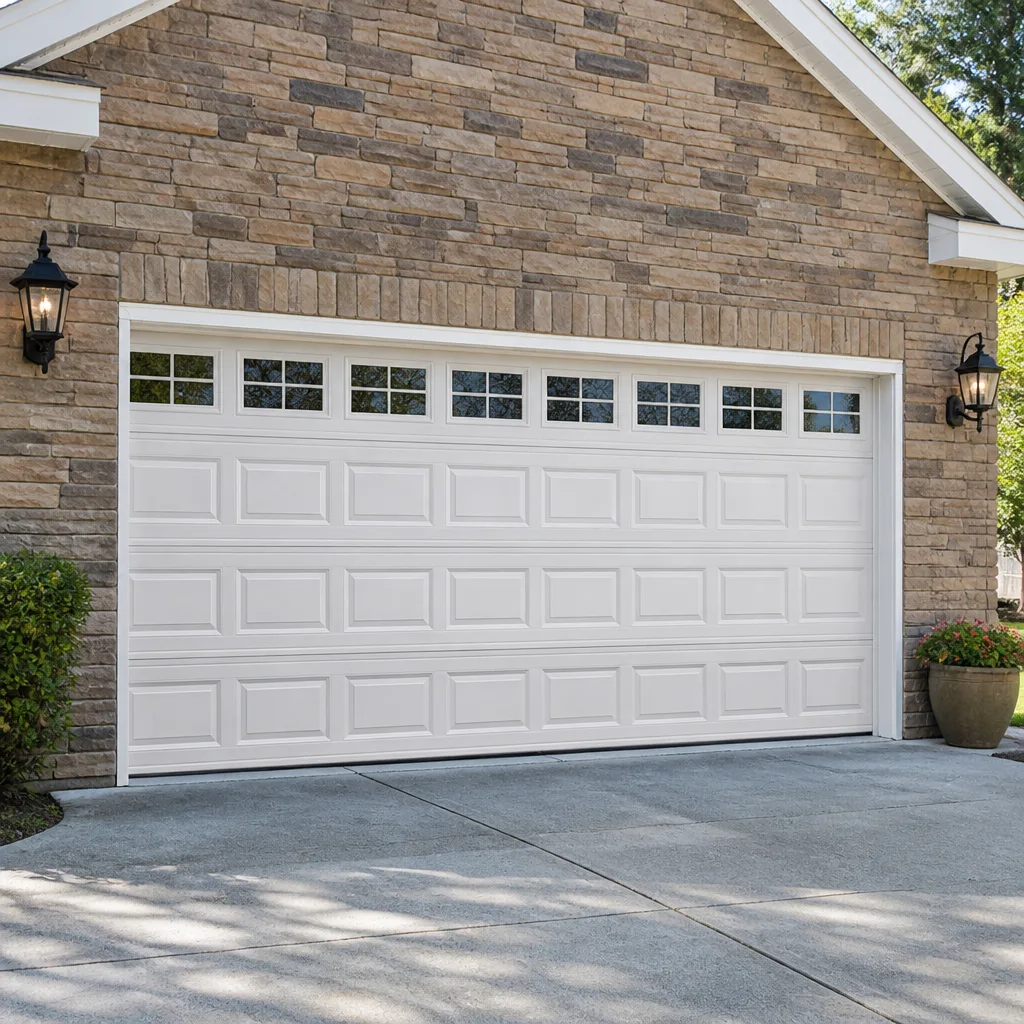 Raised-panel steel
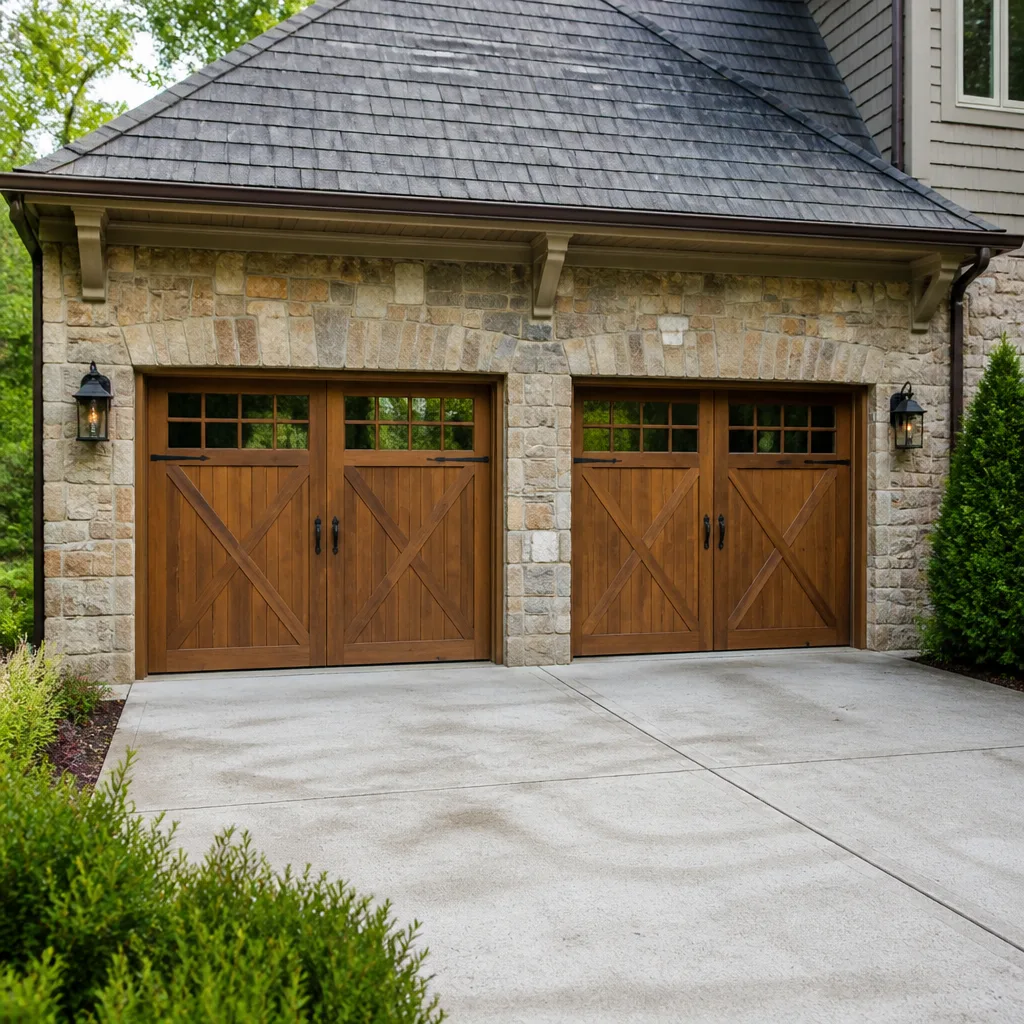 Carriage house
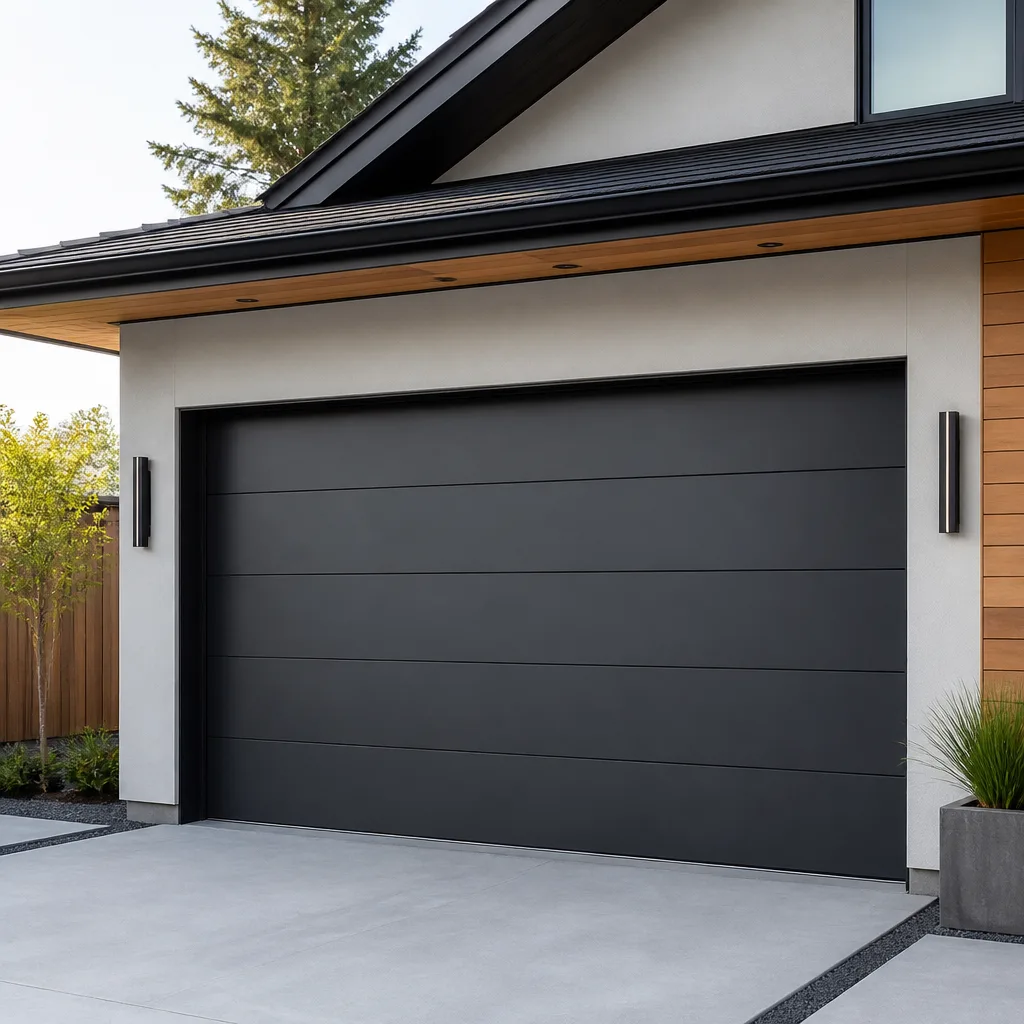 Modern flush
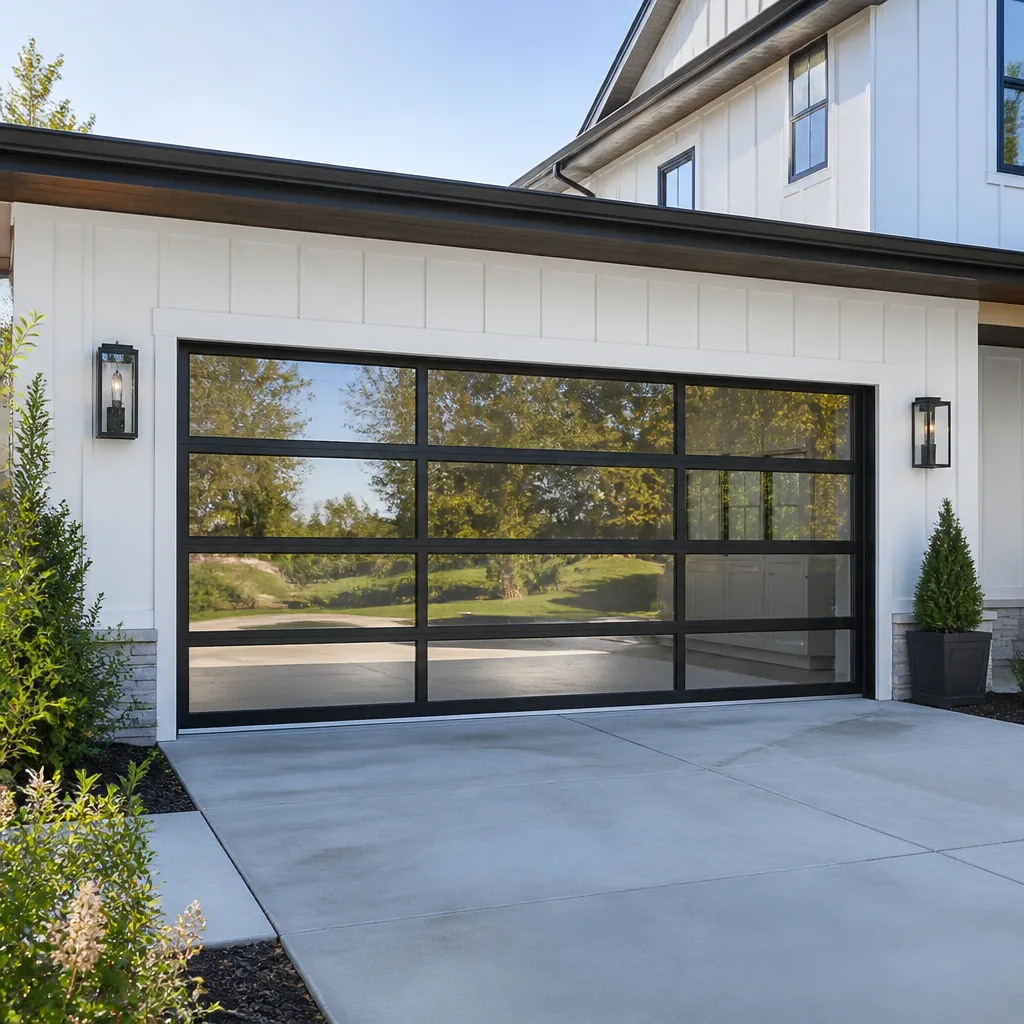 Full-view glass
 LiftMaster openers
 Chamberlain openers
Full 25-point door and opener safety check with every visit - springs, cables, rollers, tracks, and your LiftMaster or Chamberlain opener included
You get a price before we start. It does not change when the pro arrives.
Get your free estimateGarage Door Permits, Codes & Inspections in Upper West Side, NY: What You Need to Know
Most Upper West Side homeowners assume a garage door is too small a project to involve the city. That assumption runs both directions, and both directions get expensive. Pulling a permit you never needed can add weeks to a straightforward replacement, while skipping one that was required can leave you exposed when an insurer reviews a claim. The line between the two depends on scope of work, what your building’s certificate of occupancy allows, and whether anything structural gets touched. This guide walks through the NYC DOB work types that trigger permits, how the Multiple Dwelling Law applies to private garages, where Landmark Preservation Commission review overlaps, and how to document a completed job for resale and insurance.
Quick Answer
In most cases, replacing a garage door on an Upper West Side home is ordinary repair and maintenance and does not require a NYC DOB permit. A permit typically becomes necessary when the work changes the opening’s structure, alters the header or framing, or affects the building’s certificate of occupancy. Landmark Preservation Commission review can apply to townhouse garage doors regardless of DOB status.
Styles & brands we work with
- Raised-panel steel
- Carriage house
- Modern flush
- Full-view glass
- LiftMaster openers
- Chamberlain openers
Table of Contents
- Does a garage door replacement need a permit in Upper West Side?
- Which NYC DOB work types trigger a permit for garage door work?
- How does the Multiple Dwelling Law apply to buildings with private garages?
- When does Landmark Preservation Commission review apply to an Upper West Side townhouse garage door?
- What happens during a DOB inspection for garage door work?
- How do you request a letter of completion, and why does it matter?
- What does garage door work cost in Upper West Side, and how do permits affect the estimate?
- How should you prepare before work starts?
Does a garage door replacement need a permit in Upper West Side?
Usually not, but the answer depends on scope. A like-for-like door swap that fits the existing opening, uses the same track configuration, and leaves the header untouched is treated as ordinary repair and maintenance. That category covers most of what we see on Upper West Side brownstones and prewar buildings: a Clopay or Amarr door of the same dimensions going into an opening that was built for it. No DOB filing, no inspection, no wait.
The picture changes the moment the work moves beyond the door itself. These situations generally need a closer look before anyone orders material:
- Opening resizing. Cutting a taller or wider opening changes the structural header above it, which is a construction scope, not a repair.
- New garage where none existed. Converting a ground-floor space into a garage involves egress, ventilation and zoning questions that go well past the door.
- Structural reinforcement. Replacing or sistering a rotted header, or adding framing to carry a heavier door, touches the building’s structure.
- Certificate of occupancy conflicts. If the CO describes the space differently from how it’s being used, the door becomes part of a larger compliance question.
The practical advice is simple: ask your building department directly, in writing, describing the exact scope. A one-line description of “replace garage door, same size, same opening” gets a very different answer from “enlarge garage opening.” Getting that answer before you sign a contract saves weeks. For the work itself, Garage Door Repair Upper West Side handles the mechanical side while you handle the paperwork question.
Which NYC DOB work types trigger a permit for garage door work?
NYC DOB distinguishes between work that alters a building and work that maintains it. Garage door projects fall on both sides depending on what’s actually being done. We’ve watched Upper West Side homeowners lose three weeks to a filing they didn’t need, and we’ve seen the opposite problem get discovered at resale. Here’s how the categories usually break down.
Typically classified as repair and maintenance, no permit:
- Replacing a door with an identical or near-identical model in the same opening
- Replacing torsion or extension springs, cables, rollers or hinges
- Replacing or repairing the opener and its wiring within the existing circuit
- Realigning tracks that have been knocked out of plumb
- Replacing weather seal, bottom rubber or trim on the door face
Typically requiring a DOB filing:
- Enlarging or reducing the garage opening
- Removing or replacing a structural header or lintel
- Adding a new garage opening to a building elevation
- Converting a space to garage use where the certificate of occupancy doesn’t allow it
- Adding a new electrical circuit dedicated to the opener
One more layer applies to Upper West Side buildings specifically: many are in historic districts or are individually landmarked, which means a separate review can apply even when DOB has no filing requirement. That’s covered below. If you’re unsure which category your job falls into, describe the scope precisely to the DOB and keep the response. For mechanical work, a call to garage door repair gets you a straight answer on what the job physically involves, which is the first thing the city will ask.
How does the Multiple Dwelling Law apply to buildings with private garages?
This is where Upper West Side garage work gets genuinely complicated, and where most guides stop short. The Multiple Dwelling Law governs buildings with three or more residential units, and the Upper West Side has thousands of them, from prewar walk-ups on side streets to larger apartment buildings along Central Park West and Broadway. When a building with a private garage falls under the MDL, responsibility shifts.
Two things change for the owner or property manager:
- The building owner usually holds the filing obligation. In a multiple dwelling, structural and alteration work is the owner’s legal responsibility, not the tenant’s and not automatically the door contractor’s. A shareholder who owns the door still doesn’t own the filing.
- Compliance touches more than the door. MDL requirements around means of egress, fire separation between garage and residential space, and ventilation apply to the garage as a whole. A door replacement that interferes with any of those is a bigger conversation.
For co-op and condo boards, the practical move is to check the building’s alteration agreement before any garage work starts. Those agreements often spell out who files, who pays, and what documentation the managing agent needs afterward. We’ve seen boards require a letter of completion for work that never needed a permit, simply because their internal rules are stricter than the city’s. That’s their call, and it’s worth knowing before you book. Property managers who want the mechanical side handled cleanly should reach out to garage door installation well before any paperwork question arises, so the two tracks can run in parallel.
When does Landmark Preservation Commission review apply to an Upper West Side townhouse garage door?
If your building sits in a historic district or is individually landmarked, LPC review can apply to a garage door replacement even when NYC DOB has no filing requirement. Large parts of the Upper West Side fall under historic district designation, including blocks of brownstones and townhouses where the street-facing elevations are protected. The door is part of that elevation.
What typically triggers LPC involvement:
- Visible door changes. A different panel style, material, color or window configuration on a street-facing garage door usually needs review.
- Alterations to the opening. Resizing, reframing or changing the trim around the opening goes beyond like-for-like replacement.
- Doors on contributing buildings. In a historic district, buildings that contribute to the district’s character face stricter review than non-contributing ones.
What usually doesn’t: replacing a worn door with one that matches the original in material, proportion and appearance. LPC’s concern is the streetscape, not the opener or the springs behind the door. Practically, this means the paperwork question splits in two. The door’s visible appearance goes to LPC. The structural and mechanical side goes to DOB, if it goes anywhere at all. Filing with one does not satisfy the other, and a contractor who tells you otherwise hasn’t worked much on landmarked blocks. When it’s time to source a matching door, brands like Clopay and Amarr offer period-appropriate profiles, and our technicians work with those systems regularly.
What happens during a DOB inspection for garage door work?
If your project required a filing, an inspection follows. It is not a test of the door’s appearance or the installer’s craftsmanship. The inspector is confirming the work matches what was filed and that the building remains code-compliant. Knowing what they check makes the visit uneventful.
What an inspector typically examines:
- The opening dimensions. Actual measurements are compared against the approved filing. Any deviation gets noted.
- The structural header. They’ll look for the specified reinforcement and confirm nothing was removed without replacement.
- Clearances and egress. Whether the door’s operation interferes with required clearances, particularly in buildings covered by the Multiple Dwelling Law.
- Electrical work. If a new circuit was added for the opener, the electrical portion may need its own sign-off first.
- Documentation. Approved plans on site, and access to the garage area for the inspection itself.
How to prepare: have the approved drawings available, clear the garage so the inspector can see the full opening and header, and make sure anyone with keys knows the inspection is scheduled. Confirm the opener and door are in normal operating condition, not mid-adjustment. If a Genie or Chamberlain opener was replaced as part of the scope, keep the manufacturer documentation on hand. Small things, but they keep the inspection to one visit rather than two. The whole point is that the work is already done correctly; the inspection just confirms it.
How do you request a letter of completion, and why does it matter?
A letter of completion is the document that closes out a permitted job. It confirms the work was inspected and signed off, and it’s the piece of paper that matters years later when you sell, refinance or file a claim. Without it, a permitted job can look to a title company or insurer like an open file.
The process is straightforward once the inspection passes:
- Confirm the inspection was recorded as passed. Nothing moves forward until the inspection result is logged.
- Request the letter through the DOB’s process for closing out the application. Your filing representative or expeditor typically handles this if one was involved.
- Keep the letter with your closing documents and your insurance file. Not in a drawer in the garage; with the deed and the policy paperwork.
- Scan a copy for your managing agent if you’re in a co-op or condo. Boards often want it on file even when they didn’t require the filing.
Why it matters for resale: a buyer’s attorney will pull DOB records during due diligence. An open permit on a garage alteration raises questions, delays closing, and occasionally forces a retroactive filing at the seller’s expense. For insurance, the letter demonstrates the work was done to code, which is exactly what an adjuster wants to see after any structural claim. If your project never required a permit, there’s no letter to request, but keep your contract, the door’s specification sheet, and any photographs of the completed installation. That’s the closest equivalent, and it’s worth having.
What does garage door work cost in Upper West Side, and how do permits affect the estimate?
The door work and the permit work are separate line items, and it helps to see them that way. Most Upper West Side garage door projects fall into the repair-and-maintenance category, which means no filing fee and no inspection cost. When a filing does apply, expect the permit and expediting costs to sit outside the door estimate entirely.
Typical estimated ranges for garage door work in Upper West Side:
| Service | Typical estimated range |
|---|---|
| Spring repair, one spring | $180 – $340 |
| Matched spring pair (usually replaced together) | About twice the single-spring range |
| Opener repair | $150 – $350 |
| New opener installation | $350 – $750 |
| Door replacement, standard single door | $900 – $2,500 |
| Door replacement, insulated or period-matched | $1,800 – $4,500 |
These are estimates for the garage door work only. The written quote you receive sets the final price, and it’s agreed before any work starts, so there’s no invoice surprise later. On a pair of springs, both are usually replaced at once because they’ve worn together; quoting a single-spring range for a pair would be misleading. Permit fees, expeditor charges and LPC filing costs, where they apply, are quoted separately by whoever handles the filing. Ask for that number in writing too. For a clear picture of the door work itself, call garage door opener repair or the general line and we’ll price it against what’s actually installed.
One local note: Upper West Side building stock means a lot of non-standard openings, and a door sized to fit an older opening sometimes costs more than a stock replacement. That’s not a permit issue, but it’s worth knowing before you compare quotes.
How should you prepare before work starts?
Preparation on an Upper West Side garage door project is mostly about information, not heavy lifting. The homeowners and property managers who sail through are the ones who answered the paperwork question first and the mechanical question second. A short checklist covers it.
- Read your certificate of occupancy. Confirm the garage is described as garage space. If it isn’t, resolve that before ordering a door.
- Check your alteration agreement if you’re in a co-op or condo. Know whether the board requires a filing, a letter of completion, or both.
- Confirm historic district status. Look up whether your block falls in an LPC historic district, since that affects the door’s appearance requirements.
- Clear the garage floor and the path to the door. Technicians need access to the full opening, tracks and spring assembly.
- Gather what you know about the existing equipment. The opener model, the door’s approximate dimensions and any brand markings make diagnosis faster.
- Get the scope in writing from whoever quotes the job, including whether the quote assumes any permit filing.
One safety note we don’t soften: torsion springs are under extreme tension and cause serious injuries when handled without the right tools and training. We treat spring failure as a safety issue, and we don’t offer DIY guidance on them. That work belongs with a trained professional, and if a spring has broken, don’t operate the door at all until someone has looked at it.
Common Mistakes to Avoid
- Filing a permit for a like-for-like swap. An unnecessary filing can add weeks to a job that should take days. Describe your scope precisely to the DOB before assuming you need one.
- Assuming a replacement never needs one. If the opening is being resized or the header touched, the job is a construction scope. Treat it as such from the start.
- Forgetting LPC entirely. On landmarked Upper West Side blocks, a new door style on a street-facing elevation can need review even when DOB has no filing requirement.
- Treating the co-op alteration agreement as optional. Boards can impose stricter documentation requirements than the city. Check yours before booking work.
- Losing the letter of completion. Keep it with your deed and insurance paperwork, not in a folder in the garage. It matters at resale and after a claim.
- Letting a contractor dismiss the permit question. A vague “you don’t need one” without checking your building’s CO or historic status isn’t an answer. Ask for the reasoning.
- Ignoring an old opener brand when replacing a door. A mismatched opener and door weight make the system work harder. Have both assessed together, whether it’s a Chamberlain, Genie, or anything else.
See the difference
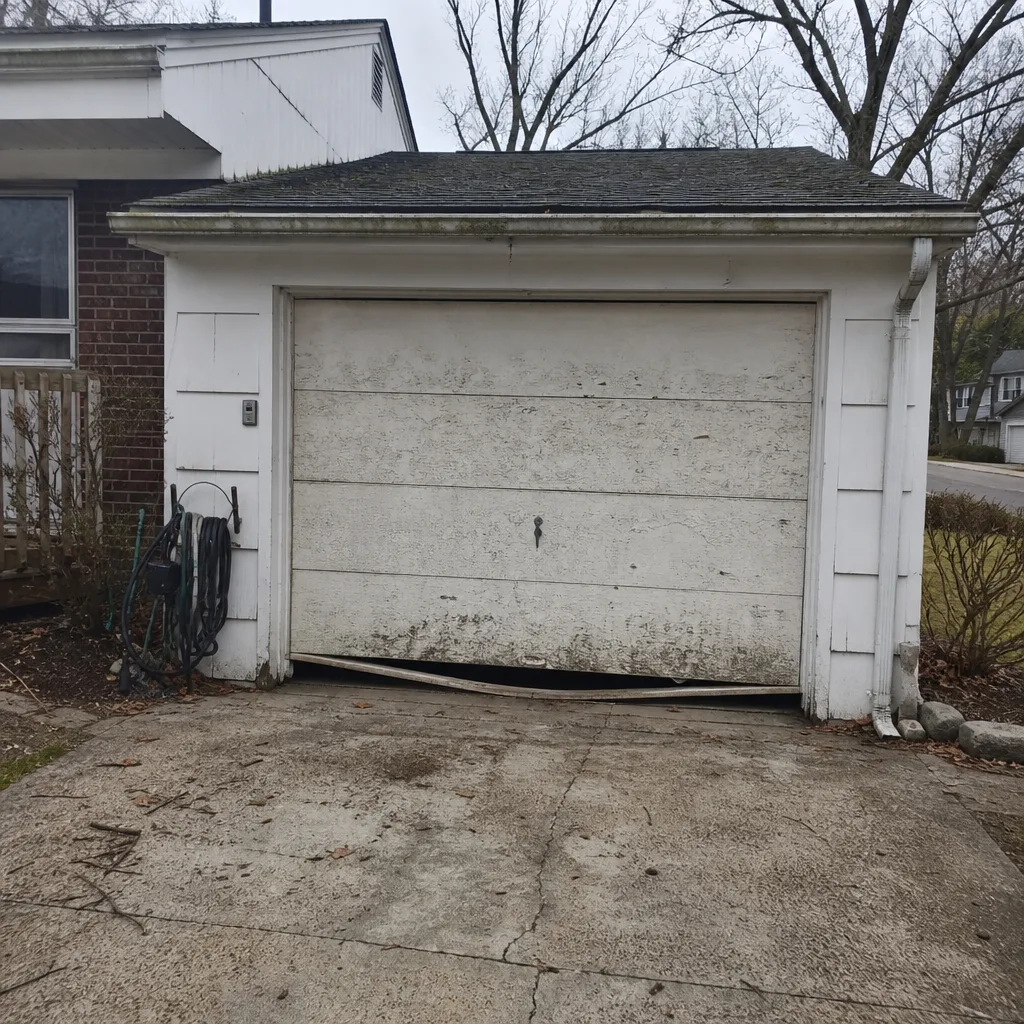 Before
 After
 Before
 After
 Before
 After
When to Call a Professional
Some garage door work is genuinely a professional call, not a permit question. A snapped torsion spring, a door that hangs crooked after an impact, a cable that’s come off its drum, or an opener that runs but won’t lift the door all point to mechanical problems that need a trained eye. Same for anything that looks structurally compromised, like a bent track pulling away from the frame or a header that’s visibly sagging. On the paperwork side, if you’re unsure whether your Upper West Side project needs a DOB filing or LPC review, get a clear picture of the physical scope first; that’s usually what determines the answer. Our technicians have up to 12 years of experience and work on the brand already installed in your garage. Garage Door Repair Upper West Side offers free estimates in Upper West Side – call (866) 937-7438.
Frequently Asked Questions
Usually no. A like-for-like replacement in the same opening is treated as ordinary repair and maintenance and doesn’t require a NYC DOB permit. A permit typically becomes necessary when the work changes the opening’s structure, resizes the opening, or alters the header. Call (866) 937-7438 for a free estimate once you know your scope.
It can, if your building is in a historic district or individually landmarked. On landmarked blocks, a visible change to a street-facing garage door, such as a different style, material or window configuration, usually needs LPC review even when DOB has no filing requirement. Check your block’s status before ordering a door. Call (866) 937-7438 to talk through what the replacement involves.
The building owner typically holds the filing obligation under the Multiple Dwelling Law, not the shareholder or the door contractor. Check the building’s alteration agreement as well, since boards often require documentation beyond what the city asks for. For the mechanical side, call (866) 937-7438 for a free estimate.
The job becomes an open file with the DOB, which can surface during a sale, a refinance, or an insurance review. Closing out a retroactive filing later usually costs more and takes longer than filing upfront. If you’re unsure whether your scope required one, it’s worth a call to the DOB. For the door work itself, call (866) 937-7438.
Typical estimated range is $180 – $340 for one spring, and a matched pair usually runs about twice that since both are replaced together. The written quote sets the final price and it’s agreed before any work starts. Call (866) 937-7438 for an exact quote – estimates are free.
Replacing an opener within the existing circuit is generally repair and maintenance and doesn’t need a DOB filing. Adding a new dedicated electrical circuit for the opener is a different scope and may require one. Either way, the opener should match the door’s weight and travel. Call (866) 937-7438 for a free estimate.
The Bottom Line
Whether your Upper West Side garage door project needs a permit comes down to scope, not category. A like-for-like replacement is repair and maintenance. Resizing the opening, touching the header, or conflicting with the certificate of occupancy turns it into a filing. Layer on LPC review for landmarked blocks and the Multiple Dwelling Law rules for co-ops and condos, and the paperwork question has more than one answer. Get the physical scope clear first, ask the city directly, and keep every document. Then let a specialist handle the door. Our technicians have up to 12 years of experience across LiftMaster, Chamberlain, Genie, Clopay, Amarr, Wayne Dalton, Craftsman and Raynor systems, covering repair, installation, spring work and emergency response.
Ready to get a clear estimate on the door work itself? Call Garage Door Repair Upper West Side at (866) 937-7438 for a free estimate. We’ll assess what’s installed, price the job in writing, and agree it with you before any work starts.
Written by the team at Garage Door Repair Upper West Side.